

Luxury kitchens deserve more than just stunning aesthetics—they demand top-tier care. Whether you’re a home chef or a design enthusiast, keeping your premium appliances in peak condition is essential for long-term performance and value. This high-end kitchen appliance maintenance schedule is your ultimate guide to preserving the heart of your gourmet kitchen. From monthly upkeep to seasonal deep cleaning, every step is designed to maximize lifespan and efficiency. Let’s dive into the care routine your luxury appliances truly deserve.
Table of Contents
Refrigerator Maintenance Schedule for Peak Performance
Monthly Tasks
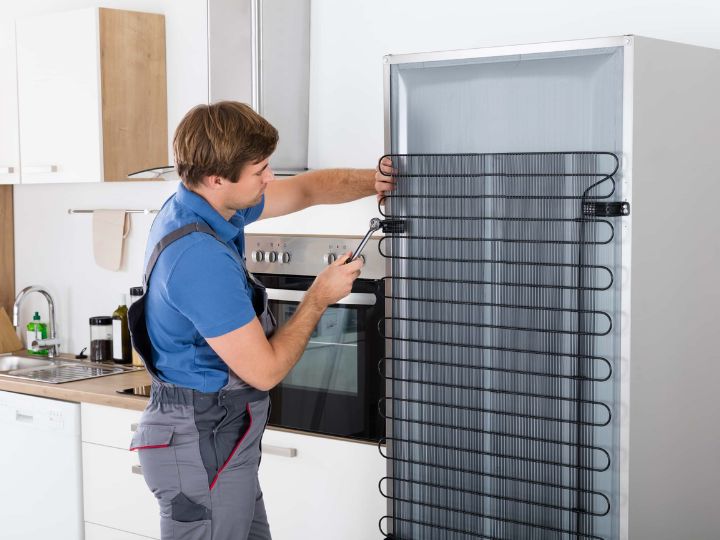
- Clean condenser coils: Dust and debris restrict airflow and reduce efficiency. Use a vacuum and coil brush.
- Check door seals: Ensure gaskets are sealing properly. Wipe with warm, soapy water and inspect for cracks.
- Inspect water filters: If your refrigerator includes a water dispenser or ice maker, assess the filter for flow reduction or taste changes.
Quarterly Tasks
- Defrost manual freezer sections: Prevent excess ice buildup that reduces efficiency.
- Clean drip pans and drainage holes: Prevent odors and bacterial growth by cleaning drain trays and flushing the defrost drain with warm water and vinegar.
Annually
- Replace water filters: If not done every 6 months, at least once a year is essential.
- Professional inspection: Have a certified technician inspect refrigerant levels, fan motors, and overall function for high-end models like Sub-Zero or Thermador.
Ranges & Cooktops Maintenance – Gas, Induction & Electric
Weekly Care
- Wipe after each use: Use a soft cloth with non-abrasive cleaner. For gas, remove and clean grates and burner caps weekly.
- Inspect burners: Make sure flames are blue (not yellow). Uneven flames may indicate clogged burner ports.
Monthly Checks
- Deep clean induction or electric glass tops: Use a specialized cooktop scraper and cream cleanser to remove hardened spills.
- Inspect gas igniters: Remove debris or food particles that can hinder ignition.
Biannually
- Professional calibration: Have a technician calibrate temperature and gas flow to ensure energy-efficient performance and proper cooking temps.
Oven Maintenance Schedule – Convection & Wall Ovens
After Each Use
- Wipe interior and glass door: Remove grease and food residue while surfaces are still slightly warm.
Monthly Tasks
- Clean racks: Soak in warm soapy water or use a baking soda paste. Never leave racks in the oven during self-clean cycles, as it can damage the metal.
Quarterly
- Check oven gasket: Ensure there’s a proper seal to prevent heat loss. Replace if loose or cracked.
- Test temperature accuracy: Use an oven thermometer to ensure your high-end oven (e.g., Miele, Wolf) heats accurately.
Annually
- Run self-cleaning cycle: But only once or twice a year to preserve electronic and interior components. Alternatively, opt for professional cleaning to avoid damage.
Dishwasher Maintenance Schedule for Sanitized, Sparkling Clean Dishes
Weekly
- Clean filter: Rinse out debris that can clog drainage and prevent proper cleaning.
- Wipe door edges and seals: These areas don’t get cleaned during cycles and can harbor mildew.
Monthly
- Run a cleaning cycle: Use a dishwasher cleaner or a cup of white vinegar on the top rack. Follow with baking soda rinse for odor control.
- Inspect spray arms: Remove and clean holes with a toothpick to ensure water can reach every dish.
Every 6 Months
- Check and clean inlet valve screen: Prevent mineral buildup from restricting water flow.
- Replace rinse aid and salt (for European models): Ensure spot-free results on glassware and optimal water softening.
Washing Machine Maintenance – Front Load & Top Load
After Every Wash
- Leave the door open: Prevent mold and mildew buildup by allowing moisture to escape.
- Wipe gasket and drum: Especially for front-load models, clean around the rubber door seal to remove moisture and debris.
Monthly
- Run a hot cleaning cycle: Use washing machine cleaner or a mix of vinegar and baking soda to sanitize and eliminate buildup.
- Inspect hoses and connections: Look for signs of wear or leaks. Tighten connections if necessary.
Every 6 Months
- Clean detergent drawer: Remove and soak in warm, soapy water to eliminate mold and detergent buildup.
- Check balance and leveling: Prevent excessive vibration by ensuring the appliance is level and stable.
Dryer Maintenance Schedule – Gas & Electric Dryers
After Each Use
- Clean the lint trap: Lint buildup restricts airflow and is a serious fire hazard.
- Check drum for foreign objects: Small items left behind can damage the drum or catch fire.
Monthly
- Vacuum around the lint trap housing: Remove deeper lint deposits to maintain optimal airflow.
- Inspect exhaust vent hose: Ensure it’s clear of kinks and clogs that reduce drying efficiency.
Annually
- Deep clean or replace vent hose: Remove the hose and clear all lint. Use a long dryer vent brush.
- Professional inspection: Have an HVAC technician or appliance pro inspect gas lines, heating elements, and airflow.
Bonus Tips for Long-Term Appliance Health
Use Only Manufacturer-Approved Cleaners
High-end appliances feature delicate finishes that can be damaged by harsh chemicals. Always use cleaning products specifically approved by the manufacturer to maintain appearance, performance, and warranty coverage.
Register and Schedule Service Through the Manufacturer
Registering your appliance ensures warranty activation and access to certified service. Many manufacturers offer exclusive benefits like priority repairs and extended protection plans when service is scheduled directly through them.
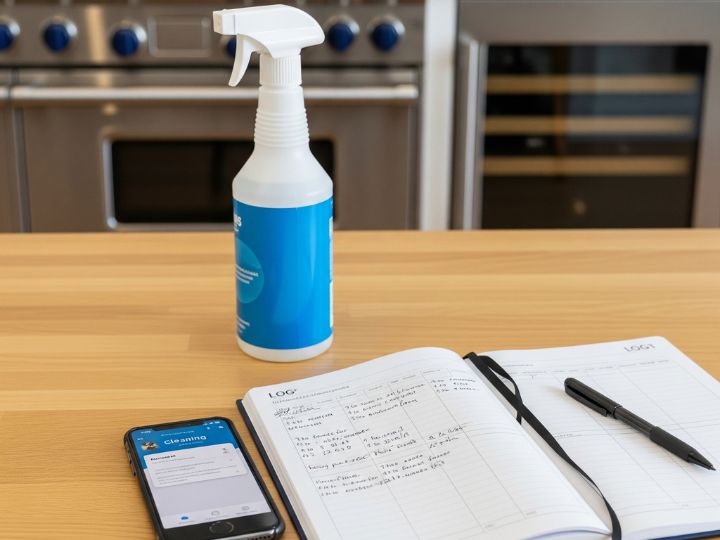
Track Your Maintenance with a Log
Keeping a maintenance log helps monitor performance, plan timely service, and maintain warranty compliance. It also increases resale value by proving the appliance was professionally and regularly maintained.
Who Should I Call for High-End Appliance Maintenance?
When it comes to protecting your investment, don’t leave your appliances in the hands of just anyone. A quarterly high-end appliance maintenance plan is best executed by professionals who understand the unique requirements of luxury brands like Sub-Zero, Wolf, Viking or Miele. That’s where 5 Star Appliance Repair stands out. Our certified technicians offer tailored service plans, expert diagnostics, and prompt solutions designed specifically for high-end systems.
Whether it’s annual inspections, monthly upkeep, or deep cleanings, 5 Star Appliance Repair can ensure your appliances operate efficiently year-round.
Call them today for:
- Well-trained technicians
- Precision care for luxury appliances
- Personalized maintenance scheduling
- Transparent pricing with no hidden fees
- Flexible appointment availability to suit your schedule
Final Thoughts
Your luxury kitchen deserves a maintenance partner that matches its standard. Whether you’re safeguarding your Sub-Zero refrigerator’s cooling precision, optimizing your Wolf range for gourmet meals, or keeping your Bosch dishwasher spotless and efficient, expert care is non-negotiable. Routine luxury appliance preventative maintenance isn’t just about avoiding breakdowns—it’s about preserving performance, longevity, and your investment’s value.
At 5 Star Appliance Repair, we specialize in precision-driven appliance services for top-tier brands. Trust our certified technicians to keep your kitchen running like new. Contact us now to schedule your personalized maintenance plan and enjoy seamless performance all year long.
FAQs
How often should I clean the condenser coils on my high-end refrigerator?
Condenser coils should be cleaned once a month to ensure proper airflow and energy efficiency. Dirty coils force the compressor to work harder, reducing the lifespan of your fridge.
Is it safe to use regular household cleaners on luxury appliances?
No, only use manufacturer-approved cleaners to avoid damaging stainless steel, enamel, or glass surfaces. Generic or abrasive cleaners can strip protective coatings and void warranties.
How do I know if my oven’s temperature is inaccurate?
Use an oven thermometer to compare actual temperatures with your settings. If there’s a discrepancy, professional recalibration may be needed to ensure precise cooking.
What’s the best way to prevent mold in my front-load washer?
Always leave the door open after each cycle to allow moisture to escape. Regularly wipe the gasket and run a hot cleaning cycle monthly.
When should I have a professional inspect my high-end dryer or refrigerator?
Schedule a professional inspection annually to check components like gas lines, motors, and airflow. This helps prevent expensive repairs and ensures peak performance.