
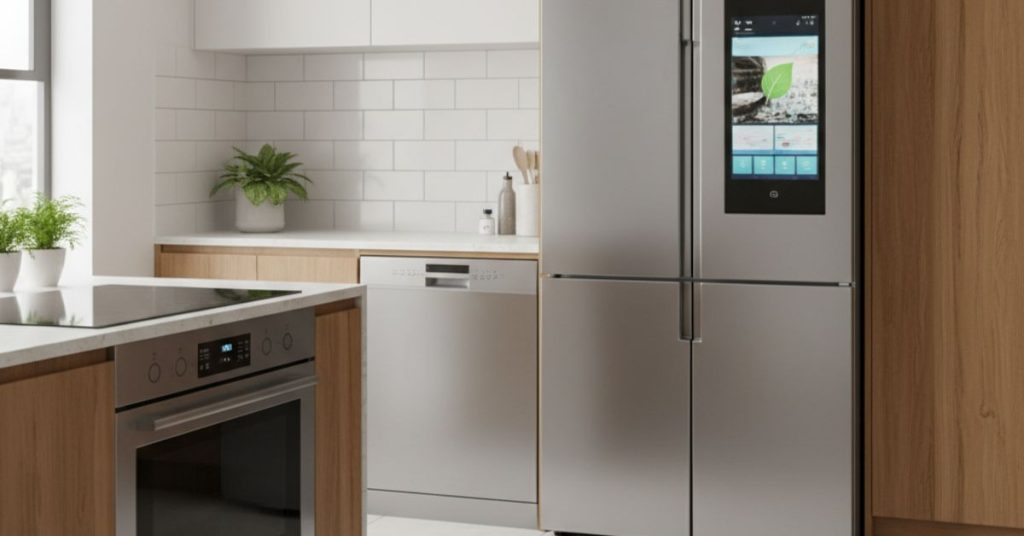
Energy-efficient appliances generally reduce fire risk due to improved technology and better safety standards, making them safer compared to older models. However, proper maintenance remains essential to minimize any potential hazards.
Key Takeaways:
- Energy-efficient appliances often have enhanced safety features.
- Reduced fire risk compared to outdated appliances.
- Regular maintenance is crucial to ensure safety.
- Choosing certified energy-efficient products is recommended.
When we think of energy-efficient appliances, the first thing that comes to mind is lowering energy bills and protecting the environment. However, another critical aspect that deserves equal attention is home safety. Fire hazards remain one of the leading threats in households worldwide, often triggered by malfunctioning or outdated appliances. This raises an important question: Do energy-efficient appliances reduce fire hazards? Let’s take a deep dive into the connection between appliance efficiency and fire safety.
Table of Contents
Understanding the Link Between Appliances and Fire Hazards
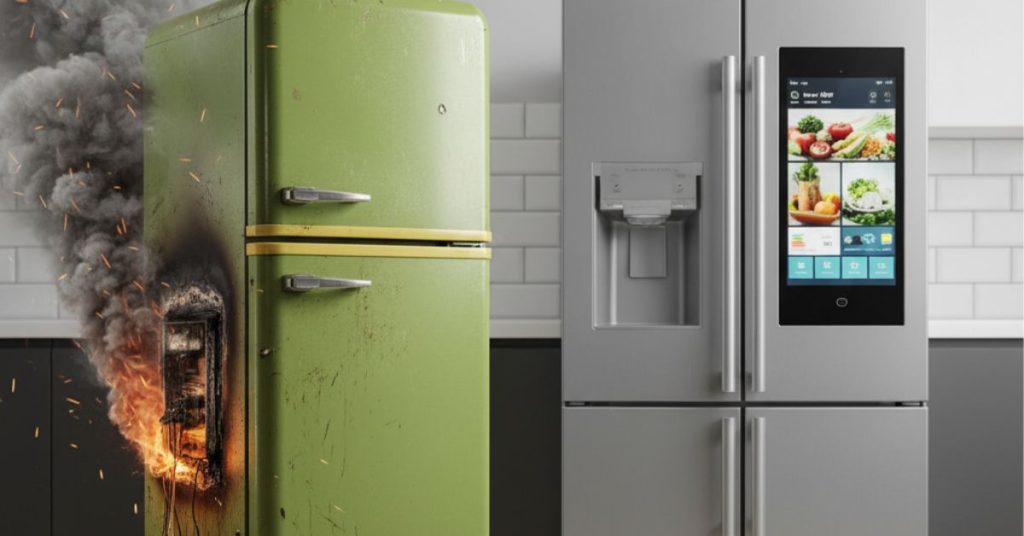
Household appliances are among the most common causes of residential fires in the U.S., often due to faulty wiring, overheating, poor ventilation, or outdated designs. Older models are especially risky because they consume more electricity, generate excessive heat, and lack the advanced safety features available in modern appliances. Dryers, stoves, ovens, and space heaters are particularly known for fire-related incidents in many households.
In contrast, energy-efficient appliances are designed to use power more intelligently, lowering unnecessary heat output and minimizing overload risks. Upgrading to safer models and practicing regular maintenance plays a vital role in preventing appliance fires at home.
How Energy-Efficient Appliances Improve Fire Safety
1. Advanced Heat Regulation Systems
Energy-efficient appliances are designed with sophisticated heat sensors and regulators. For instance, modern ovens and stoves distribute heat evenly to avoid dangerous hotspots. Dryers now include automatic shut-off mechanisms that activate when overheating is detected, drastically lowering the risk of lint buildup igniting. These innovations ensure safer operation while minimizing fire hazards in everyday use.
2. Better Wiring and Circuitry
Electrical safety codes require manufacturers of energy-efficient devices to use improved wiring, durable insulation, and stronger circuit boards. These enhancements not only extend appliance life but also ensure stable power delivery. By reducing the chance of sparks or overheating connections, this modern design prevents fire hazards caused by electrical faults, making homes significantly safer.
3. Reduced Overloading of Electrical Systems
Appliances that use less energy put less strain on household electrical systems. With efficient power consumption, they create lower risks of overloaded circuits, which are a common source of residential fires. Energy-efficient appliances operate smoothly alongside surge protectors and advanced circuit breakers, offering households consistent performance while greatly reducing the likelihood of electrical emergencies.
4. Built-in Safety Mechanisms
From auto-shutoff timers to motion sensors, energy-efficient appliances integrate multiple safety features. Devices like microwaves, irons, and coffee makers automatically turn off after inactivity, avoiding the dangers of overheating when left unattended. These thoughtful designs add an extra layer of fire prevention, protecting homes while providing convenience, peace of mind, and enhanced overall safety.
The Role of Smart Technology in Fire Prevention
A major benefit of energy-efficient appliances lies in smart technology integration. Many devices are now Wi-Fi enabled, allowing homeowners to monitor and control usage remotely through smartphones.
- Smart ovens send notifications if they are left on too long.
- Smart washing machines alert users about potential overloads.
- Smart thermostats maintain consistent temperatures to avoid overheating of heating systems.
This level of remote control and automation not only saves energy but significantly reduces the risk of accidents.
Appliance Categories Where Efficiency Reduces Fire Risks
1. Kitchen Appliances
Stoves, ovens, microwaves, and dishwashers are hotspots for fire incidents. Energy-efficient versions are designed to use precise heat distribution, consume less power, and include automatic shut-off features to limit fire risks.
2. Laundry Appliances
Dryers are notorious for causing household fires, especially due to lint buildup. Modern energy-efficient dryers include moisture sensors and lower heat cycles, drastically cutting the risk of overheating.
3. Heating and Cooling Systems
Old HVAC systems often overheat or draw excess electricity, straining wiring systems. In contrast, energy-efficient HVAC units operate at optimized levels, using advanced insulation and thermostatic control to reduce overheating dangers.
4. Small Household Appliances
From toasters to coffee makers, small appliances account for thousands of fire-related incidents annually. Energy-efficient models offer auto shut-off functions and temperature regulation that minimize risks.
Common Misconceptions About Energy Efficiency and Fire Safety
While energy-efficient appliances improve safety, misconceptions often create confusion:
- Myth 1: Energy-efficient appliances never cause fires.
Even efficient models can cause hazards if misused, poorly maintained, or connected to faulty wiring. - Myth 2: Only old appliances are risky.
Though older models are more vulnerable, even new appliances can pose risks if installed incorrectly or not regularly serviced. - Myth 3: Efficiency and safety are the same. While energy efficiency helps reduce risks, regular maintenance, proper usage, and safe installation remain essential to prevent fires.
Maintenance: The Key to Appliance Safety
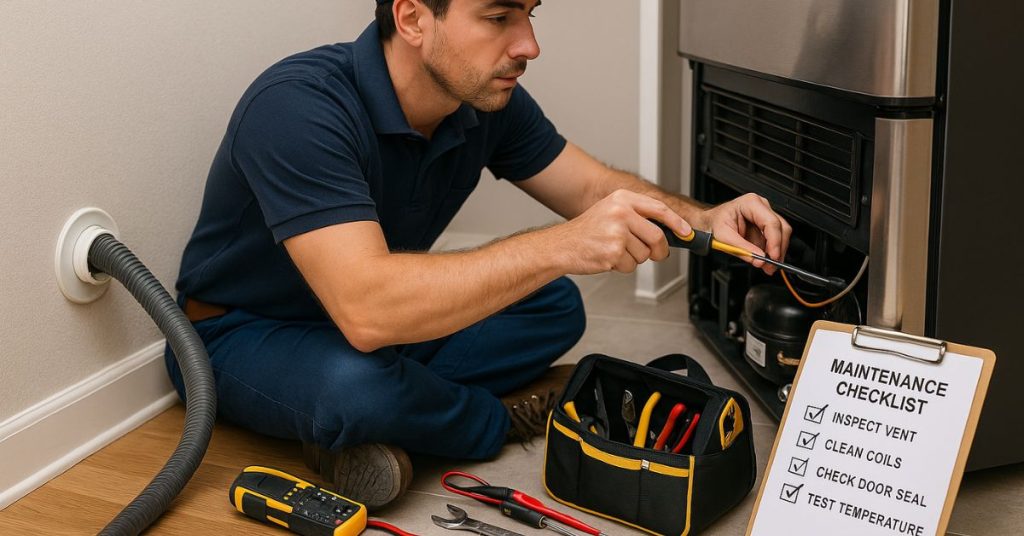
Energy efficiency is only part of the equation. Regular upkeep plays a vital role in ensuring long-term safety.
- Clean vents and filters in dryers, ovens, and HVAC systems.
- Inspect wiring and plugs for wear and tear.
- Avoid overloading outlets with multiple high-wattage appliances.
- Schedule annual professional inspections for large appliances like furnaces and HVAC units.
- Defrost and clean refrigerator coils regularly to prevent overheating.
- Keep appliances free of dust and debris to avoid heat buildup.
- Replace damaged or frayed cords immediately to reduce electrical risks.
By combining efficiency with professional appliance maintenance, households can significantly lower fire hazards.
Who to Call for Professional Appliance Services
Protecting your home from potential fire hazards requires more than just energy-efficient appliances—it also takes expert care. That’s where 5 Star Appliance Repair comes in. With a team of certified technicians for appliance safety, we provide dependable solutions such as refrigerator repair, dryer inspection, and stove maintenance, ensuring every appliance operates safely and efficiently.
From routine appliance maintenance to emergency appliance repairs, our professionals deliver trusted service designed to extend appliance life and safeguard your household. When safety matters most, don’t leave it to chance—call 5 Star Appliance Repair and let the experts keep your home running smoothly and securely.
The Cost-Safety Balance of Energy-Efficient Appliances
Many homeowners hesitate to invest in energy-efficient appliances due to higher upfront costs. However, the long-term benefits far outweigh the expense:
- Lower energy bills
- Reduced fire risk
- Extended appliance lifespan
- Environmental sustainability
When factoring in potential costs of fire damage, insurance claims, and safety risks, the investment in efficiency becomes a safeguard for both property and family safety.
Final Thoughts
Energy-efficient appliances go beyond saving money and protecting the environment. They actively contribute to household safety by reducing fire hazards. Through smart technology, better heat regulation, improved wiring, and built-in safety mechanisms, they minimize risks significantly compared to older, less efficient models. However, true safety comes from combining efficiency with responsible usage and routine maintenance.
Investing in energy-efficient appliances is not only a financial and environmental choice but also a crucial step toward a safer home. For expert guidance or reliable repair services that keep your appliances performing at their best, don’t hesitate to contact us today.
FAQs
Can energy-efficient appliances still cause fires?
Yes, even energy-efficient appliances can cause fires if they are misused, improperly installed, or poorly maintained. Safety depends not only on the appliance design but also on how it’s handled and cared for.
Are smart appliances safer than traditional ones?
Smart appliances often come with advanced safety features like remote monitoring, auto shut-off, and alerts, which can reduce fire risks. However, they still require proper installation and maintenance to function safely.
Which appliances are most likely to cause fires if outdated?
Dryers, ovens, stoves, space heaters, and HVAC units are common culprits of household fires when outdated or malfunctioning. Older models often lack safety features and consume more power, increasing the risk of overheating or electrical faults.
Do energy-efficient dryers reduce the risk of lint fires?
Yes, modern energy-efficient dryers use lower heat settings and include moisture sensors and automatic shut-off features, which help prevent overheating. However, cleaning the lint trap and vents regularly is still essential to avoid fire hazards.
Is investing in energy-efficient appliances worth the cost for safety alone?
Absolutely—energy-efficient appliances lower fire risks through safer design and smarter technology. When you consider potential fire damage, insurance claims, and safety concerns, the upfront investment pays off in long-term peace of mind.