

Post-Halloween cleanups can overwork your laundry appliances. Timely washer and dryer repair ensures optimal performance, prevents costly breakdowns, and keeps your machines ready for every spooky mess and beyond.
Key Takeaways:
- Halloween messes can strain appliances
- Prevent breakdowns with regular maintenance
- Washer and dryer repair boosts efficiency and longevity
Halloween celebrations are full of creativity, costumes, and unforgettable moments—but once the spooky fun ends, the aftermath can leave quite the mess. From makeup-stained fabrics to candy-sticky costumes, your washer and dryer work overtime to restore order. That’s why washer and dryer maintenance is more than just a post-holiday chore—it’s essential for ensuring performance, energy efficiency, and long-term reliability.
In this blog, we’ll uncover why regular washer and dryer maintenance is crucial, the signs your appliances need attention, and practical steps to keep them in peak condition.
Table of Contents
The Hidden Toll of Halloween on Your Laundry Appliances

Halloween festivities often bring an influx of heavy laundry—dirty costumes, decorative linens, and fabric accessories covered in glitter, fake blood, or paint. These substances can clog your washer’s filters, coat the drum, or even affect the dryer vent system. Without proper maintenance, this buildup can lead to:
- Reduced washing performance happens when detergent residue and costume debris clog the washer’s filters and drum.
- Longer drying times occur when lint and trapped moisture restrict proper airflow within the dryer vent system.
- Unpleasant odors develop as dirt, glitter, and detergent scum accumulate inside the washer over repeated cycles.
- Potential fire hazards arise from excessive lint buildup inside the dryer, increasing heat and ignition risks.
- Neglecting maintenance shortens appliance lifespan and raises energy consumption, leading to higher utility costs.
Neglecting maintenance doesn’t just slow your appliances down—it can shorten their lifespan and increase energy bills.
Why Washer and Dryer Maintenance Matters
1. Extend Appliance Lifespan
Regular washer and dryer maintenance is essential for maximizing their longevity. Over time, internal components like hoses, drums, and bearings can wear out due to friction, moisture, and debris buildup. By cleaning and inspecting these parts regularly, you prevent corrosion and mechanical stress that can cause costly damage.
Proper lubrication and routine part checks ensure your appliances run smoothly and efficiently. When everything functions as intended, your washer and dryer experience less strain, reducing the likelihood of sudden breakdowns and extending their service life significantly.
2. Improve Energy Efficiency
Without maintenance, your washer and dryer can gradually lose efficiency due to dirt, soap residue, or lint accumulation. These blockages force the appliances to work harder, consuming more water and electricity. A clogged dryer vent, for instance, can cause longer drying times and unnecessary energy waste.
Routine cleaning keeps air and water flowing freely through the system, allowing both machines to operate at peak performance. This not only lowers your utility bills but also reduces your environmental footprint—an added bonus for any energy-conscious homeowner.
Maintaining your washer and dryer helps them stay efficient, aligning with standards promoted by ENERGY STAR for reduced energy and water use.
3. Prevent Fire Hazards
Neglecting dryer maintenance can lead to dangerous fire risks. Lint, one of the most flammable household materials, often builds up in vents and filters. When airflow is restricted, the dryer overheats, increasing the chance of ignition. Regularly removing lint from the trap and vent can drastically lower this hazard.
By maintaining proper ventilation and keeping the dryer clean, you’re not only improving its performance but also safeguarding your home. Consistent maintenance ensures peace of mind, knowing that your laundry routine remains safe from potential fire threats.
According to the U.S. Fire Administration, failure to clean dryer vents is a leading cause of clothes dryer fires, making regular lint removal and vent inspections an essential safety habit.
4. Maintain Fabric Quality
A buildup of detergent residue, minerals, and fabric softener inside the washer can negatively affect your clothes. It can make fabrics stiff, dull, or discolored after multiple washes. Cleaning the detergent drawer, drum, and filters regularly keeps your washer performing at its best for every load.
When your machine is clean, water and detergent mix properly, providing a gentle yet effective wash. This helps preserve the softness, color, and texture of your garments—especially delicate or festive outfits like Halloween costumes that require extra care.
5. Eliminate Odors and Mold
Moisture left behind after a wash can become a breeding ground for mold and mildew. These bacteria thrive in warm, damp environments, causing musty odors and potential health issues. Regularly wiping seals and leaving the washer door open allows the drum to dry completely between uses.
Proper maintenance also includes using the cleaning cycle or a washer cleaner to remove residue buildup. By keeping the interior dry and sanitized, you’ll prevent unpleasant smells and ensure your laundry always comes out clean, fresh, and ready to wear.
Key Signs Your Washer and Dryer Need Maintenance
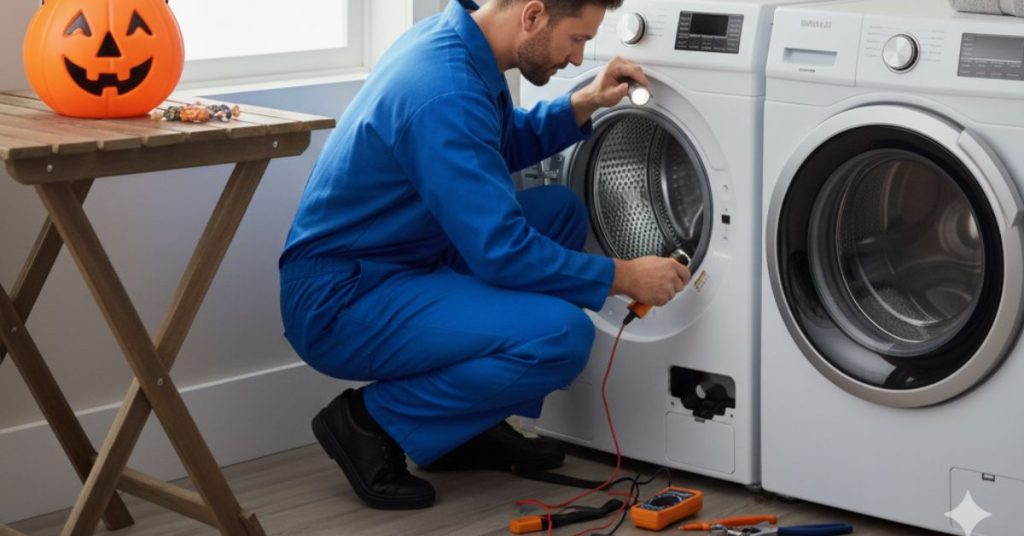
Recognizing early warning signs can save you from costly repairs or replacements. Here are common indicators your laundry appliances need attention:
- Clothes come out damp after a full drying cycle.
- The washer vibrates excessively or makes loud noises.
- You notice moldy odors or visible buildup around the door seals.
- It takes longer to wash or dry clothes than before.
- The dryer feels hot to the touch but fails to dry efficiently.
- You see error codes or notice unusual leaks during operation.
If any of these symptoms appear, it’s time to perform a deep clean—or call in a professional for inspection and maintenance.
Essential Washer Maintenance Steps
1. Clean the Drum and Gasket
Keeping your washer’s drum and gasket clean prevents odors and buildup that can affect washing performance. Run a hot water cycle using white vinegar or a washer cleaner tablet to break down detergent residue and grime. After the cycle, carefully wipe the rubber gasket—the area around the door—with a damp cloth to remove leftover dirt or soap. This step helps prevent mold and mildew from forming, keeping your washer fresh and your clothes smelling clean.
2. Check and Clean Filters
Your washer’s filters play a crucial role in maintaining water flow during each cycle. Over time, these filters—especially the inlet and drain ones—can trap lint, hair, and small debris, leading to reduced efficiency or drainage issues. Cleaning them regularly ensures smooth operation and prevents blockages that could cause water backup or error codes. Simply remove the filters as instructed in your manual, rinse them under running water, and reinstall them properly for optimal washer performance.
3. Inspect Hoses for Leaks
Washer hoses are essential for maintaining consistent water pressure, but they can wear out or crack over time. Regularly inspect both the inlet and drain hoses for signs of leaks, bulging, or brittleness. A damaged or loose hose can lead to water leakage, potentially causing floor damage or reduced wash efficiency. Replace any worn-out hoses immediately, and ensure all connections are tightly secured. This preventive step helps avoid unexpected flooding and prolongs the life of your washing machine.
4. Leave the Door Open
One of the simplest yet most effective maintenance habits is leaving the washer door slightly open after each wash. This allows air to circulate inside the drum, drying out any remaining moisture. Closing the door immediately traps humidity, which encourages mold, mildew, and musty odors to develop. By keeping the door ajar, you maintain a cleaner, fresher interior and prevent buildup on the gasket. It’s an easy step that promotes better hygiene and extends your washer’s lifespan.
Essential Dryer Maintenance Steps
1. Empty the Lint Trap After Every Use
Cleaning the lint trap after every drying cycle is a simple yet essential step for dryer maintenance. When lint builds up on the screen, it restricts airflow, forcing the dryer to work harder and use more energy. This not only reduces efficiency but also increases the risk of overheating and fire. By removing lint regularly, you help your dryer operate safely and effectively, ensuring clothes dry faster while extending the appliance’s lifespan.
2. Deep Clean the Dryer Vent
Over time, lint can accumulate inside the dryer vent and ductwork, even if you clean the lint trap regularly. This buildup restricts airflow, making your dryer less efficient and increasing the chance of a fire. Deep cleaning the vent using a vacuum or specialized vent brush ensures lint and debris are fully removed. Performing this maintenance at least once or twice a year helps improve drying performance, enhance energy efficiency, and promote a safer laundry environment.
3. Inspect the Vent Hose
The vent hose is responsible for channeling hot, moist air from your dryer to the outside. If it becomes kinked, crushed, or damaged, airflow is restricted, causing your dryer to overheat and your clothes to take longer to dry. Regularly inspect the hose to ensure it’s properly connected and unobstructed. If you notice any tears, cracks, or buildup, replace the hose immediately. Keeping the vent hose in good condition helps prevent safety hazards and supports efficient dryer performance.
4. Clean the Drum
Residue from dryer sheets, fabric softeners, and detergent can accumulate inside the dryer drum over time, leaving behind a thin film that transfers onto clothes. This buildup can cause stains or reduce your dryer’s efficiency. To maintain cleanliness, wipe the drum with a damp cloth and mild soap, then dry it thoroughly. Performing this simple cleaning every few weeks keeps your dryer’s interior fresh, prevents residue transfer, and ensures your laundry always comes out clean and smelling great.
Seasonal Washer and Dryer Maintenance Checklist
After heavy laundry seasons like Halloween, follow this quick checklist to restore your appliances to top performance:
- ✅ Clean washer drum and gasket
- ✅ Run an empty cycle with cleaner or vinegar
- ✅ Check hoses for wear or cracks
- ✅ Clean dryer lint trap and vent system
- ✅ Vacuum behind and underneath both appliances
- ✅ Test for proper heating and drainage
Performing these simple steps every few months helps ensure your laundry appliances stay in excellent condition all year round.
When to Call for Professional Washer and Dryer Maintenance
While homeowners can handle basic cleaning and inspections, certain maintenance tasks should be left to experts. Professional appliance services can detect internal electrical issues, replace worn components, and test for safety compliance. Annual professional maintenance ensures:
- Electrical components are working safely
- Vents and ducts are completely clear
- Internal belts and bearings are lubricated and functional
- No unseen leaks or wiring issues exist
- Drum alignment and balance are properly calibrated
- Heating and water systems operate at optimal efficiency
This level of attention prevents small issues from turning into major breakdowns—saving you time and costly repairs.
The U.S. Consumer Product Safety Commission (CPSC) safety guide on overheated clothes dryers warns that clogged vents and lint buildup are common causes of dryer fires — reinforcing the importance of routine inspections by qualified technicians.
Who to Call for Expert Appliance Maintenance Services
When it’s time to bring in the pros, trust 5 Star Appliance Repair for reliable and expert appliance maintenance services. Whether you’re dealing with a washer & dryer working overtime after Halloween, or need help with your refrigerator, oven, or stove, our certified technicians are ready to help.
With years of experience and a reputation for quality appliance service, 5 Star Appliance Repair offers fast, dependable solutions that keep your home running smoothly. Don’t wait for a breakdown—schedule routine maintenance today and enjoy peace of mind knowing your appliances are in good hands.
Looking to save? Be sure to check our promo & offers for great deals on maintenance and repair services!
Conclusion: Keep the Post-Halloween Chaos Under Control
Once the Halloween fun fades, your laundry appliances become your best allies in restoring order. By prioritizing washer and dryer maintenance, you not only keep your home clean and safe but also ensure these hardworking machines remain efficient for years. Whether you’re cleaning sticky costumes or soiled tablecloths, taking care of your appliances guarantees performance, safety, and peace of mind.
Remember, maintenance isn’t a seasonal task—it’s a commitment to protecting your investment and preserving your home’s efficiency all year round. For expert help with your laundry appliances, contact us today.
FAQs
How often should I perform washer and dryer maintenance?
Basic maintenance should be done monthly, like cleaning the lint trap and running a cleaning cycle. A full inspection and deep clean are recommended every 3 to 6 months, especially after heavy-use periods like Halloween.
Why is my dryer taking longer to dry clothes?
Longer drying times usually indicate lint buildup in the vent or a clogged lint trap. Cleaning these areas can restore airflow and improve drying efficiency.
Can I use vinegar to clean my washer?
Yes, running a hot cycle with white vinegar helps dissolve detergent residue and kill odor-causing bacteria. It’s an effective and affordable method for monthly washer maintenance.
Is washer and dryer repair necessary if the machines still work?
Yes, early repairs prevent minor issues from becoming major breakdowns. Ignoring small problems can reduce efficiency and shorten appliance lifespan.
What are signs that I need professional washer and dryer maintenance?
Persistent odors, leaks, loud noises, or poor performance are key indicators. If DIY cleaning doesn’t resolve these issues, it’s time to call a professional.