
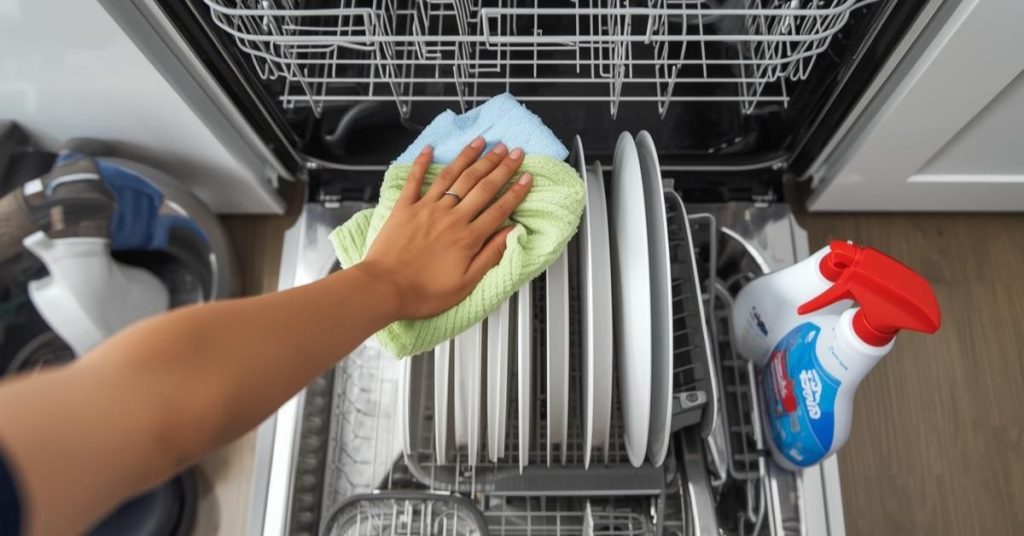
Follow these simple end of year dishwasher cleaning steps: remove debris, clean filters, run a vinegar or baking soda cycle, wipe seals, and check spray arms. This restores washing power and prevents buildup.
Key Takeaways:
- Clear debris and clean filters regularly.
- Use vinegar or baking soda cycles for deep cleaning.
- Wipe seals and inspect spray arms to maintain efficiency.
- Annual cleaning boosts dishwasher performance and lifespan.
A high-performing dishwasher is essential for maintaining a spotless, hygienic kitchen, especially as the year comes to a close and households prepare for gatherings, celebrations, and heavier dishwashing loads. As we turn our attention to year-end household care, implementing structured end-of-year dishwasher cleaning steps ensures improved cleaning efficiency, extended appliance life, and a fresher kitchen environment. With our expert guidance, these proven methods can elevate your dishwasher’s performance, prevent breakdowns, and enhance overall washing quality.
Table of Contents
Why Year-End Dishwasher Cleaning Matters
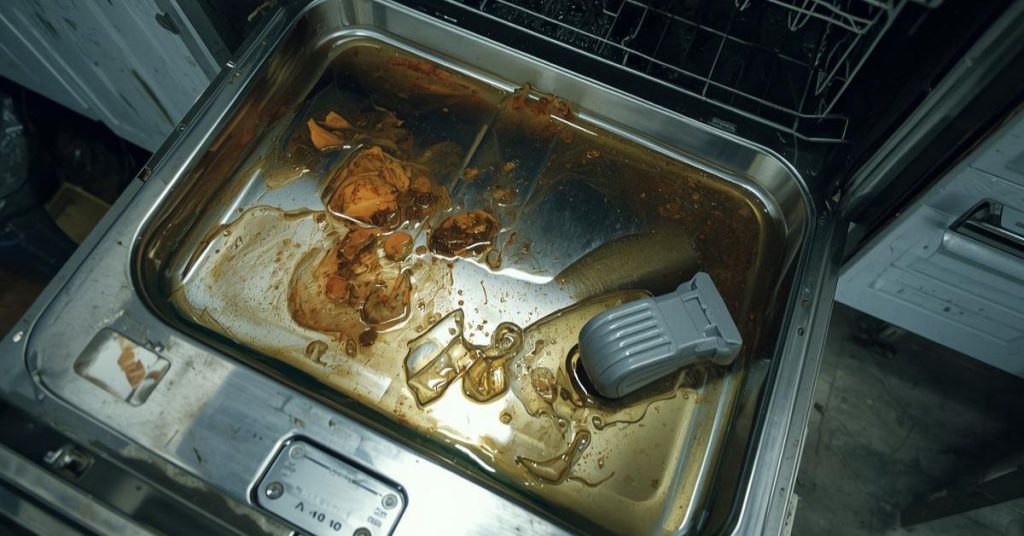
Deep-cleaning your dishwasher at the end of the year is essential for maintaining its performance and longevity. Over time, grime, mineral deposits, and trapped food particles can accumulate, causing clogs, unpleasant odors, and less effective washing. Performing thorough cleaning removes these buildups, ensuring your dishwasher runs efficiently and hygienically.
For many homeowners, scheduling professional dishwasher maintenance is a smart way to guarantee that all components, from spray arms to filters, receive careful attention and function optimally. Learn more about expert help in our post: Get Your Dishwasher Fixed Today with Professional Repair Services.
Additionally, regular upkeep contributes to energy efficiency, helping reduce unnecessary consumption. By focusing on reducing kitchen appliance energy waste year end, you protect your investment while minimizing environmental impact. A well-maintained dishwasher saves time, energy, and frustration, providing consistently clean dishes and peace of mind for the year ahead.
Essential Tools and Supplies for Effective Dishwasher Cleaning
Before diving into the cleaning process, gathering the right materials helps ensure a smooth, efficient workflow. We recommend having the following at hand:
- White vinegar
- Baking soda
- A soft scrubbing brush
- Microfiber cloths
- Toothbrush for detail cleaning
- Warm water
- Mild dish soap
- Toothpick or skewer for spray-arm holes
These simple tools help eliminate buildup in hard-to-reach areas, supporting optimal dishwasher performance.
Step-by-Step Guide: The Most Effective End-of-Year Dishwasher Deep Clean
1. Empty the Dishwasher Completely
Begin by removing all racks, trays, and utensil holders. This allows full access to the interior tub and components where grime often hides. Inspect each removable part for buildup and set them aside for separate cleaning.
2. Clean the Filter Thoroughly
The filter is the heart of your dishwasher’s drainage system. Over time, debris accumulates and slows water flow. To clean:
- Twist and lift the filter from its base.
- Use warm, soapy water to remove grease and food particles.
- Scrub gently using a soft brush to avoid damage.
- Rinse and dry before reinstalling.
A clean filter ensures proper water circulation and prevents foul odors.
3. Unclog and Clean Spray Arms
Mineral deposits and debris often plug spray arm holes, reducing water pressure and coverage.
- Remove the spray arms if your model allows.
- Run warm water through the holes to flush out debris.
- Use a toothpick to clear stubborn clogs.
- Rinse thoroughly before reinstalling.
Properly functioning spray arms enhance washing power by promoting even water distribution.
4. Wipe Down Interior Walls and Door Seals
Food residue, soap scum, and grease cling to the interior surfaces and rubber gaskets. To address this:
- Mix warm water with mild dish soap.
- Use a microfiber cloth to wipe the walls, door, and seals.
- Scrub corners and crevices with a toothbrush.
- Rinse with warm water and dry with a soft cloth.
This step keeps the dishwasher sanitary while preventing mold and mildew growth. For official guidance on safe cleaning and sanitizing of kitchen surfaces, see the USDA’s food safety recommendations.
5. Run a Vinegar Cleaning Cycle
Place a dishwasher-safe bowl filled with white vinegar on the top rack. Run a hot-water cycle to dissolve grease, disinfect surfaces, and eliminate odors. Vinegar is a natural deodorizer that breaks down mineral buildup effectively.
6. Follow with a Baking Soda Rinse
To brighten the interior and remove lingering smells:
- Sprinkle a cup of baking soda across the dishwasher floor.
- Run a short, hot-water cycle.
Baking soda restores a fresh, clean scent while polishing the stainless-steel interior.
7. Clean the Exterior for a Polished Look
The dishwasher exterior contributes to your kitchen’s overall aesthetic. Wipe down the door, control panel, and handle using a damp cloth and a gentle cleaner. For stainless-steel models, use a streak-free polish to restore shine and maintain a professional appearance.
Regular Dishwasher Maintenance Tips for Long-Term Results
Inspect and Clean Monthly
Regular monthly inspections prevent debris, grease, and mineral buildup from accumulating. Checking filters, spray arms, and seals, plus a vinegar rinse, ensures consistent performance and avoids costly long-term repairs.
Avoid Overloading
Overfilling the dishwasher blocks water and detergent from reaching every surface. Proper spacing between dishes allows thorough cleaning and effective drying, maintaining hygiene and preventing strain on internal components.
Use High-Quality Detergent
Premium detergents dissolve efficiently, reducing residue on dishes and protecting dishwasher parts from limescale or soap scum. They improve cleaning performance and extend the appliance’s lifespan by preventing internal buildup.
Run Hot Water Before Starting a Cycle
Running hot water in the sink first raises initial dishwasher temperature, activating detergent more effectively. This ensures better stain removal, faster cleaning, and reduces the likelihood of partially washed dishes.
For more energy-saving tips, see the U.S. Department of Energy’s guide on reducing electricity and water usage in household appliances.
Energy Efficiency Benefits of a Clean Dishwasher
A clean dishwasher operates more efficiently because there are no clogs, debris, or mineral deposits hindering water flow and spray arm movement. When the appliance runs smoothly, it requires less energy to heat water and less water overall to achieve spotless dishes. This efficiency reduces the strain on the motor and heating elements, allowing the dishwasher to complete cycles faster while consuming fewer resources.
Maintaining a clean dishwasher also supports sustainable household practices by lowering electricity and water usage. Over time, this not only helps the environment but also reduces utility bills, making appliance upkeep an eco-friendly and cost-effective strategy.
Signs Your Dishwasher May Need Professional Attention

Even with diligent cleaning, certain issues require expert evaluation. Consider calling for professional dishwasher repair if you notice:
- Persistent water pooling
- Strange noises during cycle operation
- Dishes remaining dirty despite cleaning
- Leaks around the appliance base
- Error codes or power issues
Quick action prevents further damage and ensures your dishwasher continues performing efficiently.
Who to Call for Professional Dishwasher Maintenance and Repair Services
For homeowners seeking reliable help with dishwasher upkeep, contacting a trusted professional ensures your appliance receives expert care. 5 Star Appliance Repair provides comprehensive appliance services, from routine maintenance to complex repairs, guaranteeing your dishwasher operates at peak performance. Our team of skilled technicians is trained to handle all makes and models, addressing issues like clogs, leaks, or persistent cleaning problems efficiently.
If you need dependable support, consider reaching out to 5 Star Appliance Repair, a leading local appliance service in Los Angeles. Book now to schedule a service visit and keep your dishwasher running smoothly, saving time, energy, and stress.
Enhancing Washing Power Through Proper Year-End Care
Thorough end-of-year dishwasher cleaning ensures your appliance delivers optimal washing power while preventing clogs, odors, and buildup. By following these step-by-step cleaning methods—covering filters, spray arms, seals, and interior cycles—you maintain a hygienic kitchen and extend your dishwasher’s lifespan, keeping it ready for busy holiday seasons and everyday use.
Regular maintenance not only improves performance but also reduces energy and water consumption, protecting both your appliance and your utility bills. For professional support and expert care, contact us today to keep your dishwasher running at peak efficiency.
FAQs
How often should I deep clean my dishwasher?
It’s recommended to perform a thorough deep clean at least once a year, ideally at the end of the year. Monthly quick maintenance, like cleaning filters and wiping seals, helps prevent buildup and keeps your dishwasher efficient.
Can I use vinegar and baking soda together in the same cycle?
It’s best to use them in separate cycles—vinegar first to disinfect and dissolve grease, followed by baking soda to deodorize and brighten the interior. Combining them at the same time can neutralize their cleaning effects.
How do I know if my dishwasher spray arms are clogged?
If dishes come out partially clean or water isn’t reaching certain areas, it may indicate clogged spray arms. Inspect the arms for food debris or mineral deposits and clear any blockages with a toothpick or warm water.
Are there any risks using vinegar or baking soda on my dishwasher?
Vinegar and baking soda are safe for most dishwashers when used correctly in moderation. Avoid using harsh chemicals or excessive amounts, as they could damage rubber seals or internal components.
When should I call a professional for dishwasher maintenance?
Call a technician if you notice persistent water pooling, strange noises, leaks, or dishes that remain dirty after a full cycle. Professional maintenance ensures all parts function properly and prevents long-term damage to your appliance.