
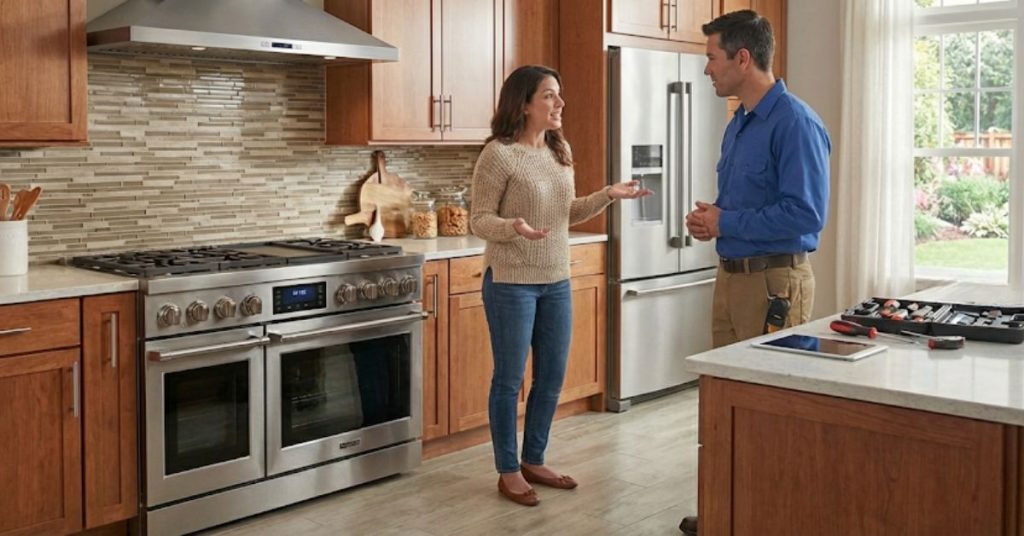
If you’re asking why is my oven making loud noises, it’s often due to loose burners, faulty fan motors, uneven surfaces, or heating element issues. Regular oven maintenance and professional oven inspection ensure safe, quiet, and efficient operation.
Key Takeaways:
- Loose components cause rattling or banging.
- Fans or motors may wear out over time.
- Leveling the oven can reduce noise.
- Professional repair ensures safety and longevity.
Table of Contents
Understanding the Real Reason Behind a Noisy Oven
Homeowners often ask, “Why is my oven making loud noise?” The concern goes beyond sound—it’s about safety, consistent cooking, and avoiding costly damage. A properly functioning oven should operate quietly, usually with a soft click from the igniter or a low hum from the fan. Loud or unusual noises signal that a component is under strain, loose, or failing.
At 5 Star Appliance Repair, we tackle oven noise issues with precision and technical expertise, identifying the root cause and restoring your appliance to peak condition.
1. Faulty Convection Fan Motor
Modern ovens use convection fans to circulate hot air evenly. When the motor bearings wear out or debris gets lodged inside the blades, you may hear:
- Grinding
- Buzzing
- Rattling
- High-pitched squealing
A damaged fan motor does not improve on its own. Continued operation can overheat the motor and damage internal wiring. We typically:
- Remove the rear interior panel
- Inspect fan blades for warping or obstruction
- Test motor resistance and voltage
- Replace the motor if needed
A smooth, balanced fan restores quiet performance and even cooking temperatures.
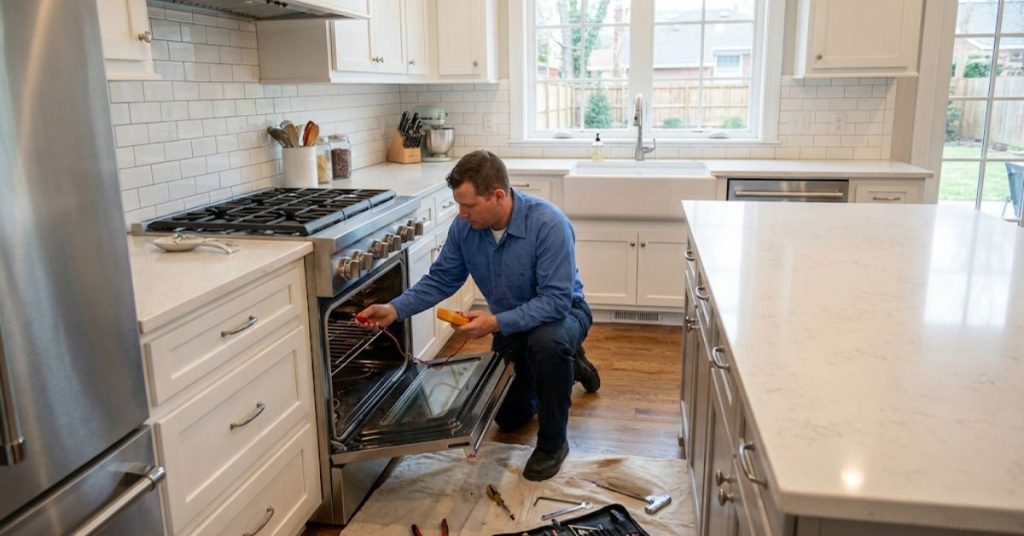
2. Loose or Damaged Fan Blade
Sometimes the motor itself is intact, but the fan blade becomes loose on the shaft. This creates a metallic clanking or repetitive tapping noise as it rotates.
We secure or replace the blade depending on the condition. Ignoring this issue can lead to internal panel damage and more expensive repairs.
3. Worn Cooling Fan Assembly
Many ovens include a cooling fan that protects internal components from overheating. When this fan malfunctions, you may notice:
- Continuous loud humming
- Vibrations through cabinetry
- Increased heat around control panels
A failing cooling fan stresses electronic boards and thermostats. Replacing it promptly prevents cascading electrical damage.
4. Igniter Problems in Gas Ovens
Gas ovens rely on igniters to light the burner. If the igniter weakens, it may produce:
- Clicking sounds that repeat
- Delayed ignition “whooshing”
- Small popping noises
We measure igniter amperage draw and replace units that fall below manufacturer specifications. This ensures safe and immediate ignition.
5. Loose Internal Panels or Screws
Constant heating and cooling cycles cause metal expansion and contraction. Over time, screws loosen and panels vibrate.
We inspect:
- Rear panels
- Bottom heating element brackets
- Fan housing mounts
- Side wall liners
Tightening or replacing hardware often resolves persistent rattling.
6. Failing Heating Element
Electric ovens contain bake and broil elements that can crack or blister. When damaged, they may emit:
- Buzzing sounds
- Electrical snapping
- Intermittent popping
A compromised heating element affects temperature accuracy and safety. Replacement ensures efficient energy use and stable performance.
7. Control Board or Relay Malfunctions
Electronic ovens include relays that click when cycling heat. While occasional clicking is normal, excessive or loud snapping indicates relay failure.
We test the control board and inspect for:
- Burn marks
- Short circuits
- Overheated solder points
If required, we install a new board calibrated to the appliance model.
When Oven Noise Becomes a Safety Hazard
Not every sound is urgent, but certain warning signs demand immediate service:
- Burning smells
- Sparks
- Loud grinding that worsens
- Sudden temperature drops
- Circuit breaker trips
If you experience these issues, professional appliance inspection is necessary. Attempting DIY repair without technical knowledge can lead to electrical shock, gas leaks, or fire risk.
Step-by-Step Diagnostic Process We Follow
At 5 Star Appliance Repair, our methodical approach ensures accurate results:
- Initial Performance Assessment – We evaluate heating consistency and airflow.
- Sound Identification – Determining whether the noise is mechanical, electrical, or gas-related.
- Component Isolation – Testing individual parts under controlled conditions.
- Targeted Replacement or Repair – Installing manufacturer-approved components.
- Final Safety Testing – Verifying temperature calibration and noise elimination.
Because electricity can be dangerous, especially when working around heating elements or internal wiring, you can also review OSHA’s official electrical safety guidelines to understand proper precautions and risks.
This systematic process eliminates guesswork and ensures long-term reliability.
Why Immediate Repair Saves Money
Delaying service often increases repair costs. For example:
- A $150 fan replacement can become a $600 control board repair.
- Loose components can damage heating elements.
- Igniter delays can strain gas valves.
Addressing noise early preserves the appliance’s lifespan and efficiency.
For homeowners searching for oven making loud noise repair in Los Angeles, professional diagnostics prevent recurring issues and unnecessary part replacements.
Local Expertise Matters
Kitchen appliances in Los Angeles homes often face heavy daily use. Whether in residential properties, rental units, or high-end kitchens, ovens must operate reliably.
Choosing an experienced oven noise repair service in Los Angeles ensures:
- Knowledge of common regional appliance brands
- Compliance with California safety standards
- Prompt scheduling and transparent pricing
Our technicians arrive fully equipped to resolve most issues during the first visit.
Signs You Should Call Immediately
Contact us if you notice:
- Noise increasing in volume
- Uneven cooking results
- Long preheat times
- Control panel flickering
- Excessive vibration
Don’t wait—professional oven repair in Los Angeles can prevent further damage and keep your oven running safely and efficiently.
Professional Repair vs. Replacement
Many homeowners assume replacement is necessary when noise develops. In reality, most sound-related issues stem from:
- Fan motor wear
- Mounting hardware loosening
- Igniter aging
- Cooling fan imbalance
5 Star Appliance Repair evaluates repair vs. replacement, focusing on restoring performance, not unnecessary upselling.
Preventive Maintenance Tips
To reduce future oven noise:
- Clean interior surfaces regularly
- Avoid slamming the oven door
- Check racks for proper alignment
- Schedule annual inspections
- Keep ventilation areas clear
Routine care extends appliance life and maintains quiet operation. You can also learn more about How to Maintain Kitchen Appliances for Long-Lasting Performance for broader tips that help prevent issues like oven noise.
Why Choose 5 Star Appliance Repair
We stand apart through:
- Certified technicians
- Same-day service availability
- Transparent pricing
- Warranty-backed repairs
- Fully stocked service vehicles
- Customer-Centered Approach
As one of the most trusted providers of appliance repair services in Los Angeles, we prioritize precision, reliability, and customer satisfaction.
Every service call includes a complete inspection to ensure no hidden issues remain.

Restore Quiet Performance Today
A loud oven is not just an annoyance—it is a mechanical signal demanding attention. From worn fan motors to electronic relay failures, identifying the source quickly protects your kitchen and your investment.
At 5 Star Appliance Repair, we deliver accurate diagnostics, durable appliance repairs, and lasting solutions that restore safe and quiet operation. Whether the issue is minor vibration or significant mechanical failure, our team ensures your oven performs like new again.
Don’t let a noisy oven disrupt your kitchen—contact us today for fast, reliable repair!
FAQs
Why does my gas oven make a popping noise?
This usually comes from weak igniters or delayed gas ignition. Professional inspection ensures safe operation.
How do I know if my oven fan motor needs replacing?
Listen for grinding, squealing, or rattling. A technician can test motor resistance and inspect blades.
Can a noisy oven be dangerous?
Yes. Persistent grinding, sparks, or circuit trips can indicate electrical or gas hazards.
How can I quiet a vibrating oven?
Ensure the oven is level and check for loose screws, panels, or racks.
How often should I schedule oven maintenance?
Annual inspections and cleaning help prevent noise and extend appliance life.