

Following the best practices for oven care—like regular cleaning, checking seals, avoiding spills, and using proper cookware—prevents malfunctions, improves performance, and extends your oven’s lifespan, ensuring safe and efficient cooking every time.
Key Takeaways:
- Clean regularly to avoid buildup.
- Inspect door seals often.
- Use oven-safe cookware.
- Avoid overloading racks.
- Schedule professional maintenance.
A properly maintained oven not only ensures consistent cooking performance but also extends its lifespan and prevents costly breakdowns. Whether you own a gas, electric, or convection oven, understanding how to care for it properly can make a significant difference. Here, we share the 8 best practices for oven care that help you keep your appliance running efficiently and safely for years.
Table of Contents
1. Clean Spills Immediately After Use
Food spills and grease splatters are inevitable when cooking or baking. However, allowing them to linger can lead to burnt residues, smoke, and unpleasant odors. The best time to clean these messes is right after the oven has cooled slightly but remains warm.
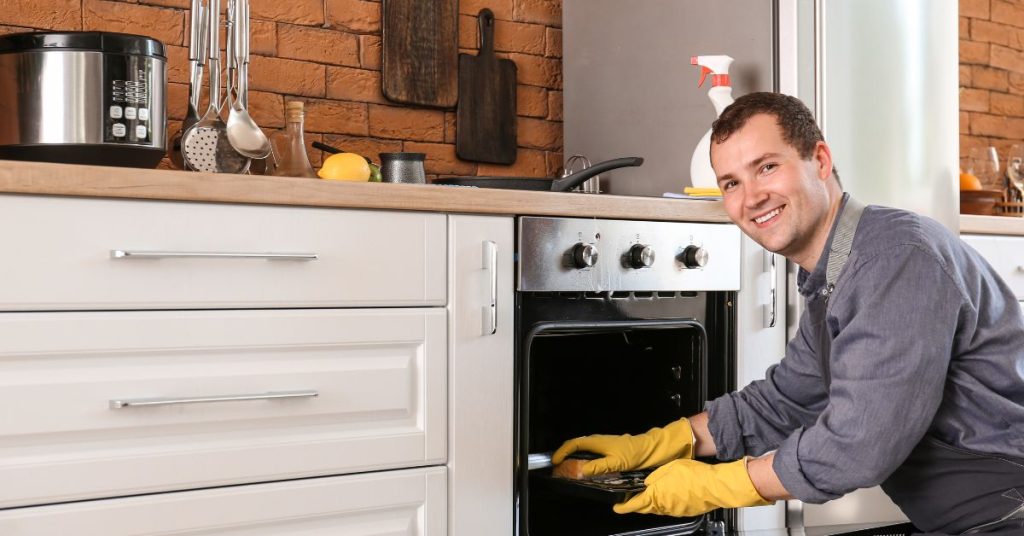
Use a damp cloth or a non-abrasive sponge with a mild detergent to wipe away spills. For tougher spots, apply a baking soda and vinegar mixture, let it sit for a few minutes, then gently scrub. Avoid using harsh chemicals or steel wool, as these can damage the enamel coating inside your oven.
2. Schedule Regular Deep Cleaning
Even if you clean small spills, ovens accumulate grease and grime over time. To maintain optimal performance, give your oven a deep clean every three months.
For self-cleaning models, follow the manufacturer’s instructions carefully. Keep in mind that self-cleaning cycles reach extremely high temperatures, so remove racks and any large food debris before starting. If your oven doesn’t have a self-cleaning feature, a baking soda paste is a safe and effective alternative.
Regular deep cleaning not only keeps your oven hygienic but also improves heat circulation and prevents uneven cooking.
3. Inspect and Maintain the Door Seal
The oven door gasket is crucial for maintaining consistent internal temperatures. A damaged or worn-out seal allows heat to escape, causing your oven to work harder and consume more energy.
Inspect the rubber gasket regularly for cracks, burns, or loosened sections. If you notice any damage, replace the seal immediately. This small maintenance step ensures that your oven maintains the correct temperature, which leads to better cooking results and lower energy bills. You can also explore energy-saving tips from the U.S. Department of Energy to help make all your home appliances operate more efficiently.
4. Check and Calibrate the Temperature Accuracy
One of the most common oven issues is inaccurate temperature readings, which can result in undercooked or overcooked meals. To verify your oven’s accuracy, use an oven thermometer placed in the center rack. Compare the reading to the temperature setting on your oven control panel.
If there’s a discrepancy of more than 25°F, consult your oven’s manual for calibration instructions or contact a professional technician for reliable oven services. Keeping your oven properly calibrated ensures consistent cooking performance and helps you avoid wasted energy.
5. Keep Oven Racks Clean and Properly Positioned
Oven racks accumulate grease, burnt food, and residue over time, which can affect both air circulation and flavor transfer. Remove racks regularly and clean them using warm, soapy water or a baking soda soak for tougher grime.
When cooking, make sure the racks are positioned correctly for your dish type. For baking, the middle rack ensures even heat distribution, while roasting works best on the lower rack. Proper rack placement not only improves cooking results but also reduces the risk of overheating or malfunctioning.
6. Avoid Using Aluminum Foil on the Oven Floor
Many homeowners use aluminum foil to catch spills or drips, but this practice can do more harm than good. Foil can block airflow, reflect heat unevenly, and even damage heating elements or the oven’s enamel surface.
Instead, use a removable oven liner designed for your specific model. These liners are heat-resistant, easy to clean, and safe for long-term use. By avoiding foil, you help maintain the oven’s internal design and prevent performance issues down the line.
7. Protect and Clean the Heating Elements
The heating elements—both top and bottom—are the heart of your oven’s functionality. Food particles and grease buildup can cause these elements to burn unevenly or even short out.
Always unplug your oven before cleaning near the elements. Use a soft cloth or sponge to wipe away any visible residue. Avoid scrubbing or bending the elements, as they can be easily damaged. For electric ovens, ensure the elements glow evenly when heating—uneven lighting can indicate a failing component that requires replacement.
8. Schedule Professional Oven Maintenance Annually
Even with diligent care, professional inspection ensures your oven remains in top operating condition. A certified technician can check the wiring, thermostat, fan, and heating elements for hidden issues that may not be visible during routine cleaning. This is one of the main reasons to hire a pro for appliance maintenance, as experts can prevent minor problems from turning into costly repairs.
Annual servicing not only improves safety but also enhances performance, ensuring your oven continues to function efficiently. By scheduling regular appliance services, technicians can replace worn-out components and identify potential fire hazards before they become serious. For more details on appliance fire prevention and household safety, visit the U.S. Consumer Product Safety Commission.
Additional Tips for Prolonging Your Oven’s Lifespan
- Use the correct cookware. Avoid using warped pans or glassware not rated for oven use.
- Preheat only when necessary. Over-preheating wastes energy and stresses heating elements.
- Avoid slamming the door. This can weaken the hinges and cause misalignment over time.
- Use the oven light instead of opening the door. Each time you open the door, you lose heat and extend cooking time.
Implementing these additional habits will help maximize energy efficiency, maintain safety, and extend your appliance’s durability.
Why Oven Care Matters More Than You Think
Neglecting oven maintenance doesn’t just lead to inconvenient breakdowns—it can also increase energy consumption, compromise food quality, and pose safety risks. With proper care, you can enjoy reliable performance, consistent temperature control, and long-term savings on repairs or replacements.
By applying these 8 best practices for oven care, you’re not only preserving your appliance but also ensuring a safe and enjoyable cooking experience for years to come.
Conclusion
Caring for your oven is about more than just cleanliness—it’s about performance, safety, and longevity. Regular maintenance, proper cleaning, and accurate temperature calibration ensure your oven works efficiently while preventing costly repairs and uneven cooking results.
For more complex inspections and servicing, local appliance services like 5 Star Appliance Repair offer reliable appliance repair in San Francisco. Professional technicians can identify hidden issues, replace worn parts, and keep your oven running safely and efficiently for years to come.
FAQs
How often should I clean my oven?
You should wipe spills immediately after cooking and perform a deep clean every three months. Regular cleaning prevents buildup, improves cooking performance, and extends the oven’s lifespan.
Can I use aluminum foil in my oven?
It’s best to avoid placing aluminum foil on the oven floor, as it can block airflow and damage heating elements. Use heat-resistant oven liners instead for safe, long-term use.
How do I know if my oven temperature is accurate?
Use an oven thermometer on the center rack to compare with your oven’s set temperature. If there’s a difference greater than 25°F, recalibrate according to your manual or contact a professional.
When should I schedule professional oven maintenance?
Annual servicing is recommended, even if your oven seems to work fine. Professional technicians can catch hidden issues early, replace worn parts, and ensure safe, efficient operation.
How can I prolong the life of my oven?
Use oven-safe cookware, avoid slamming the door, and preheat only when necessary. Regular cleaning, proper rack placement, and scheduled professional maintenance also help maximize lifespan and performance.