
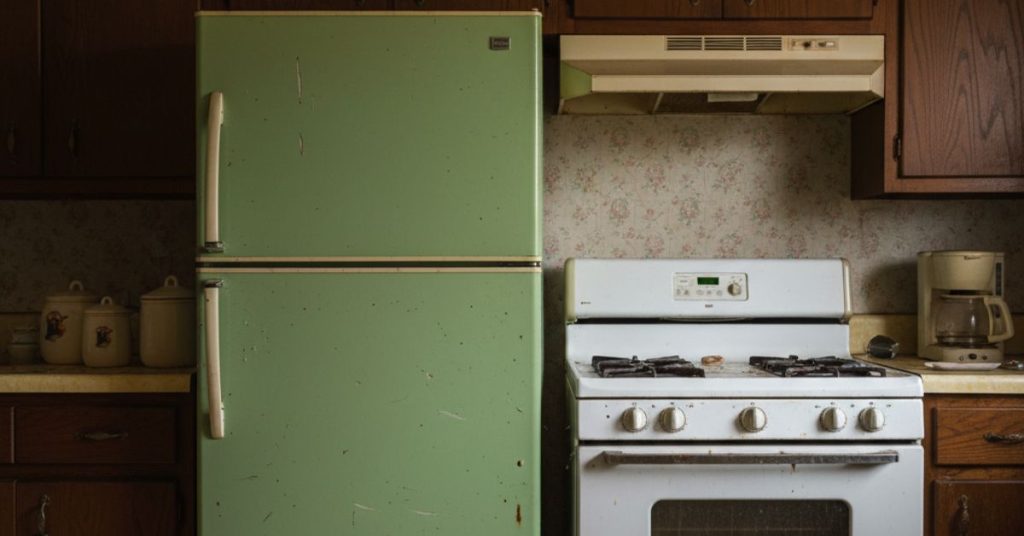
Signs of outdated kitchen appliances include high energy bills, inconsistent performance, frequent repairs, excessive noise, lack of modern features, inefficient water use, poor insulation, and outdated safety standards—all costing you more money over time.
Key Takeaways:
- Higher energy and repair costs
- Reduced appliance efficiency
- Missing modern, eco-friendly features
- Potential safety risks due to age
Modern kitchens rely on appliances that provide efficiency, convenience, and energy savings. However, many homeowners unknowingly hold onto outdated appliances that not only underperform but also drain money through high energy bills and frequent repairs. Recognizing the warning signs can help you upgrade wisely, improve your kitchen’s performance, and reduce unnecessary expenses.
Table of Contents
1. Rising Energy Bills Without Clear Reason
One of the most noticeable signs of outdated appliances is increasing energy consumption. Old refrigerators, dishwashers, and ovens often lack the energy-efficient technology found in today’s models.
- Refrigerators over 10 years old can consume up to 40% more energy than modern ENERGY STAR-certified units.
For more detailed information on energy efficiency standards and how modern appliances save you money, visit the U.S. Department of Energy’s Energy Saver guide on appliances.
- Dishwashers manufactured before 2010 typically use double the water per cycle compared to newer models.
If your utility bills have been steadily climbing without changes in usage habits, your outdated appliances may be the culprit.
2. Frequent Breakdowns and Repairs
Another clear indicator is constant appliance repairs. If your stove struggles to maintain temperature, your microwave stops mid-cycle, or your washing machine leaks repeatedly, these issues shouldn’t be ignored. Such recurring problems are warning signs that the appliance is nearing the end of its lifespan and may no longer function reliably.
When repair calls become routine, the expenses can quickly pile up—often exceeding half the cost of buying a new unit. Beyond just the financial burden, frequent breakdowns cause unnecessary stress, inconvenience, and interruptions to your daily household tasks.
3. Outdated Design and Limited Features
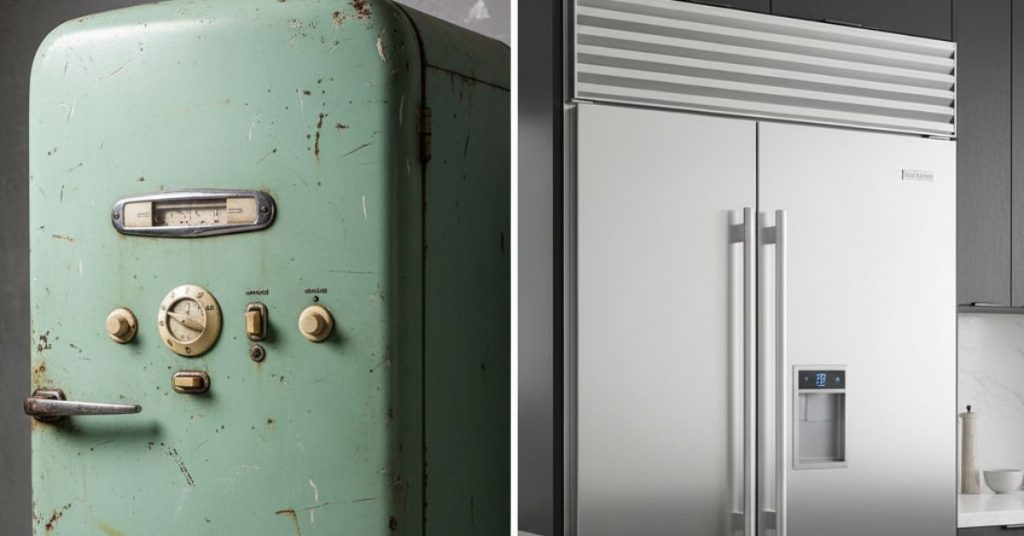
Modern appliances are not just functional; they are designed with convenience and smart technology in mind. If your appliances:
- Lack digital controls or smart connectivity
- Have dials and buttons that feel outdated
- Do not offer energy-saving cycles or self-cleaning features
- Take longer to complete basic tasks compared to newer models
- Are incompatible with smart home systems
- Have small, dim displays or no display at all
…it may be time to consider an upgrade. Today’s appliances come with advanced functions such as Wi-Fi integration, touch screens, voice controls, and diagnostic alerts to make life easier and more efficient.
4. Strange Noises and Vibrations
A quiet kitchen is a comfortable one. Old appliances often produce loud buzzing, rattling, or grinding sounds caused by worn-out motors, loose components, or failing internal parts.
- Refrigerators should hum softly, not roar.
- Dishwashers should swish quietly, not rattle violently.
- Washing machines should spin smoothly, not shake the entire room.
- Dryers should tumble evenly, not thump or squeal.
- Microwaves should operate silently, not buzz or click erratically.
Excessive noise is more than just an inconvenience—it’s a warning sign of mechanical decline that could lead to a costly breakdown.
5. Poor Performance and Inefficiency
Poor performance and inefficiency are strong signs that it’s time to replace your appliances. If your oven takes too long to preheat, your refrigerator can’t keep food cold, or your dishwasher leaves residue on dishes, these issues indicate declining functionality. Appliances should make life easier, not more frustrating.
Beyond the inconvenience, inefficient appliances consume more energy and raise utility bills. A fridge that fails to maintain temperature can spoil groceries, while an underperforming oven can affect meal quality. Over time, these hidden costs add up, making replacement a smarter long-term investment.
6. Excessive Water Usage
Water waste is another key sign of outdated appliances. Older dishwashers and washing machines use far more water than modern versions.
- A pre-1994 dishwasher can use over 10 gallons of water per cycle, compared to just 3-5 gallons in new models.
- Old washing machines may consume 30-40 gallons per load, while efficient front-loaders use as little as 15.
This unnecessary water waste not only drives up your utility bills but also has a negative environmental impact. Upgrading to high-efficiency models can significantly reduce both water usage and long-term costs. The Environmental Protection Agency (EPA) offers resources on water-efficient appliances and the WaterSense program, which helps consumers choose products that reduce water consumption. Check out their guide on WaterSense labeled appliances.
7. Visible Wear and Tear
Cracked seals on refrigerator doors, rust on oven surfaces, and broken knobs or buttons are more than cosmetic issues. These signs of visible deterioration can lead to energy loss and safety risks.
- A refrigerator with a damaged gasket allows cold air to escape, forcing the motor to work harder.
- A microwave with a broken door seal may expose you to radiation leaks.
- Rust in dishwashers can contaminate your dishes with harmful particles.
- Frayed or exposed power cords pose a serious fire or electric shock hazard.
- Loose or missing control panels can make appliances difficult—or dangerous—to operate.
Replacing appliances showing clear physical decline ensures better safety, hygiene, and efficiency.
8. Appliances Older Than 10-15 Years
Age is perhaps the most telling sign. Even if your appliances still “work,” they may be costing you more than they should.
- Refrigerators: Average lifespan of 10-12 years.
- Dishwashers: Typically last 8-10 years.
- Ovens and ranges: Around 12-15 years.
- Microwaves: 7-10 years.
Once appliances cross these age thresholds, they lose efficiency, require more maintenance, and increase the likelihood of breakdowns.
The Hidden Costs of Holding Onto Outdated Appliances
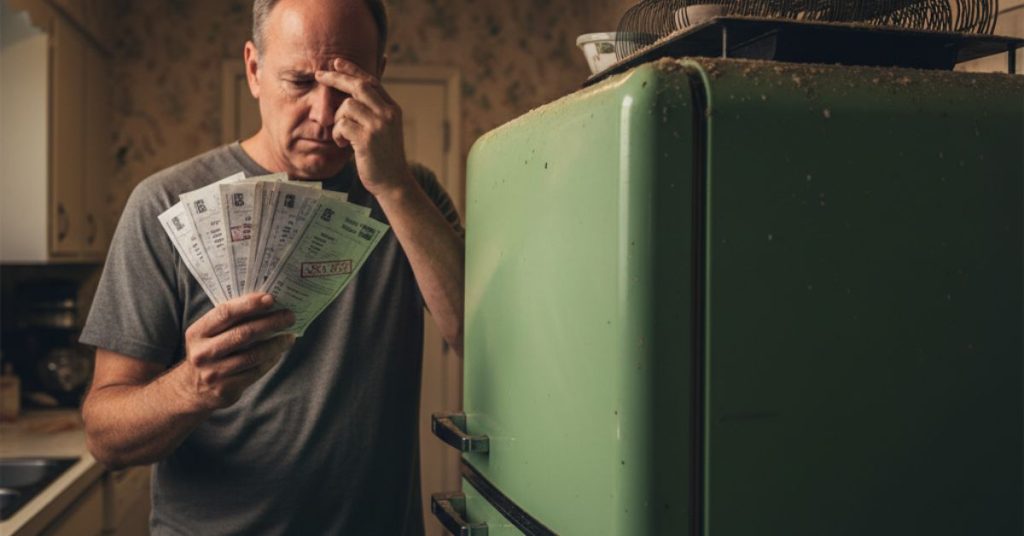
Keeping old appliances may feel like saving money upfront, but the reality is the opposite. You risk:
- Higher monthly bills due to energy and water inefficiency.
- Frequent repair costs that exceed the value of the appliance.
- Food waste and spoiled groceries from unreliable refrigeration.
- Compromised safety from malfunctioning electrical systems.
- Increased noise pollution from loud, outdated motors and components.
- Inconsistent performance that disrupts daily routines and productivity.
- Lack of modern features like smart controls, timers, or diagnostic alerts.
- Reduced home value and appeal, especially when selling or renting.
By upgrading, you gain access to energy savings, better performance, and modern convenience that quickly offsets the initial purchase price.
Tips for Upgrading Your Kitchen Appliances Smartly
When you’re ready to replace outdated appliances, consider these tips to make a cost-effective investment:
- Look for ENERGY STAR-certified models that ensure lower energy use and monthly savings.
- Choose appliances with smart features that improve efficiency and offer remote-control convenience.
- Select the right size and capacity to suit your family’s daily needs.
- Invest in reputable brands that offer long warranties and reliable customer service support.
- Recycle old appliances responsibly to minimize waste and protect the environment sustainably.
Who to Call for Professional Appliance Services
When your appliances show clear signs of wear and inefficiency, it’s best to consult experts who specialize in professional appliance services for outdated systems, appliance maintenance and repairs. Instead of struggling with recurring issues, a trusted technician can quickly diagnose the problem and provide cost-effective solutions.
For reliable care, reach out to 5 Star Appliance Repair, a local company known for dependable service and expert guidance. Whether you need quick appliance repairs or recommendations for upgrading, we ensure your appliances work efficiently.
Final Thoughts
Outdated appliances may seem harmless, but the truth is they silently drain your wallet through higher energy bills, repair costs, and inefficiencies. Beyond the financial impact, they add stress, create safety risks, and compromise your home’s overall comfort. Recognizing the warning signs early helps you avoid unnecessary expenses and disruptions in your daily routine.
Upgrading to modern, energy-efficient models is a smart long-term investment that pays for itself in savings, reliability, and convenience. If you’re unsure where to begin or need expert help with repairs, don’t hesitate to contact us for trusted guidance and professional support.
FAQs
What are the risks of using old appliances?
Old appliances often consume more energy, increasing your utility bills. They also pose safety hazards such as electrical faults, leaks, or radiation exposure, making replacement essential.
How do I know when to replace my kitchen appliances?
Look for signs like rising energy bills, frequent breakdowns, strange noises, and poor performance. Appliances older than 10–15 years typically need replacement to maintain efficiency and safety.
Can repairing old appliances save me money?
Minor repairs can extend appliance life temporarily, but frequent repairs often cost more than buying new models. Upgrading is usually more cost-effective over time due to energy savings and improved reliability.
Are ENERGY STAR-certified appliances worth the investment?
Yes, they use less energy and water, lowering your utility bills significantly. Additionally, they help reduce your environmental footprint, making them a smart long-term choice.
What should I do with my old appliances when upgrading?
Recycle them responsibly through local recycling programs or retailer take-back services. Proper disposal prevents environmental harm and supports sustainable waste management.