

After a flood, your home may seem like it’s returning to normal—but hidden dangers could still be lurking, especially around your appliances. Water and electricity are a risky combination, and knowing how to navigate this situation is crucial for your family’s safety. This guide on electrical appliance safety after flood offers practical advice to protect your home and loved ones. From assessing damage to knowing when to call a professional, we’ll share essential tips for handling electrical appliances after a flood and help you avoid costly or hazardous mistakes.
Table of Contents
Understand the Dangers of Flood-Damaged Appliances
Floodwaters often carry contaminants like sewage, chemicals, and debris. When these infiltrate electrical appliances, they compromise internal components, insulation, and wiring. Appliances exposed to water can short-circuit, overheat, or even explode when re-energized. Never assume a device is safe to use after drying; only professional inspection guarantees safety.
Common Risks Include:
- Electrocution Hazards: Residual moisture inside devices can create conductive paths.
- Fire Risks: Corroded wiring may spark and ignite surrounding materials.
- Permanent Malfunction: Electronics may fail even after superficial drying due to hidden internal corrosion.
Immediate Actions to Take After a Flood
1. Disconnect Power Sources
Safety comes first after a flood. Before entering any flooded area, have a licensed electrician shut off the main power supply to prevent electrocution. Floodwaters can carry electrical currents, and appliances may still be connected to live circuits. Never attempt to turn off breakers or unplug devices yourself in a wet environment—it’s extremely dangerous.
2. Avoid Using Appliances Until Inspected
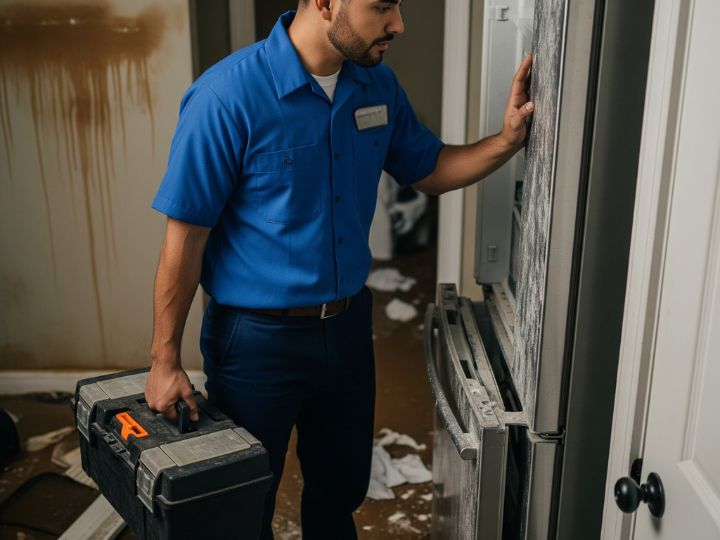
Floodwater can severely damage internal components of electrical appliances, making them unsafe to operate. Resist the urge to test or switch them on, as this could cause electrical shocks, fires, or further damage. Always wait for a certified technician to examine the appliances and confirm they are safe before using them again.
3. Document the Damage for Insurance
Proper documentation is key for filing insurance claims. Before moving or discarding any appliances, take clear, detailed photos and videos showing the extent of flood damage. Include serial numbers and close-ups of water exposure. This evidence will support your claim for repairs or replacements, ensuring you get the coverage you’re entitled to.
Which Appliances Are Most Affected?
Large Appliances
Refrigerators, washing machines, dryers, and ovens are highly susceptible to flood damage due to their complex motors, compressors, and circuit boards. Even minimal water exposure can cause short circuits, corrosion, or fire hazards. It’s critical to avoid using these appliances until inspected by experts. Relying on professional appliance repair services ensures proper assessment and safe restoration after flooding.
Small Appliances
Smaller devices like toasters, microwaves, coffee makers, and blenders are not exempt from flood damage. Water can seep into internal wiring or heating elements, creating risks of electric shock or fire when used. Due to their compact design, moisture is harder to detect and dry out. Always have these appliances checked or replaced if they’ve been exposed.
Flooding can severely damage HVAC systems and water heaters by corroding critical components like burners, thermostats, and safety controls. Using them without inspection increases the risk of gas leaks or electrical fires. Contact professional appliance services immediately to evaluate and repair these systems, safeguarding your home from potential hazards and ensuring they function reliably again.
Steps to Salvage or Replace Flood-Damaged Appliances
1. Professional Assessment
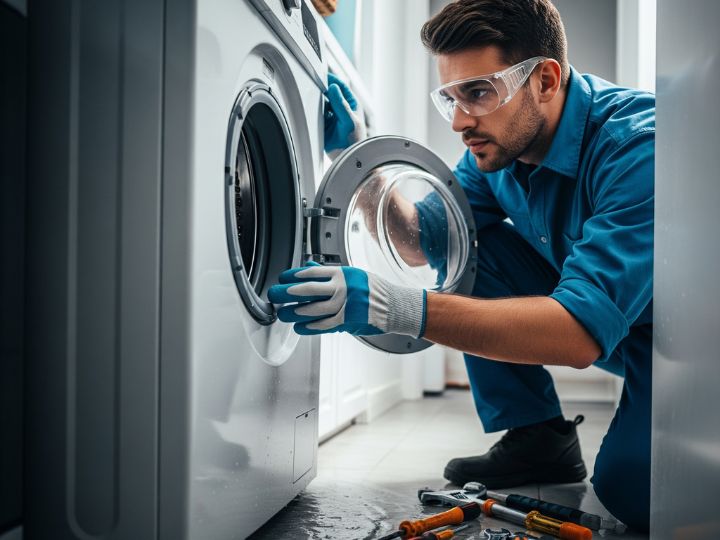
Before using flood-damaged appliances, call a licensed electrician or appliance technician. They will perform critical tests, including checking continuity, insulation resistance, and inspecting for internal corrosion. This ensures the appliance is safe to operate. Attempting to power up appliances without assessment can cause electrical shocks, fires, or further damage, making professional evaluation an essential first step.
2. Disinfection and Cleaning
If an appliance is deemed salvageable, it must undergo thorough cleaning and disinfection. Floodwater often carries bacteria, debris, and chemicals that can contaminate internal components. Removing dirt and moisture prevents corrosion and mold growth. Technicians will use specialized cleaning agents to restore the appliance, ensuring it’s hygienic and safe for household use after flooding.
3. Replacement of Components
When partial damage is found, technicians may suggest replacing affected parts such as wiring harnesses, insulation, or electronic control boards. This targeted repair can revive the appliance without replacing the entire unit. However, replacement is only recommended if the appliance’s core functions remain intact and repairs offer a cost-effective solution compared to buying new.
4. Full Replacement
In cases of severe water exposure, replacing the entire appliance is often the safest choice. Electrical systems and motors submerged in water can be irreparably damaged or pose hidden risks. When repair costs exceed replacement value or safety cannot be guaranteed, purchasing a new appliance protects your home from potential electrical hazards and future malfunctions.
Preventive Measures for Future Floods
Elevate Electrical Systems
Raising electrical panels, outlets, and appliances above the base flood elevation significantly reduces the risk of water damage during floods. This preventive measure ensures critical components stay dry, maintaining their functionality and safety. It’s especially important in basements and low-lying areas where floodwaters are more likely to reach and compromise electrical systems.
Use Ground Fault Circuit Interrupters (GFCIs)
GFCIs are essential safety devices that automatically shut off power when they detect electrical current leaking to the ground, a common issue in wet or damp environments. Installing them in flood-prone areas, like basements or outdoor outlets, helps prevent electrical shocks and fires. They are a vital protective measure for both people and property.
Waterproof Barriers and Enclosures
Protective barriers and enclosures can shield electrical appliances and components from water intrusion. Waterproof covers, sealed boxes, or even relocating units to higher floors can help prevent floodwater from reaching critical equipment. This minimizes the chances of electrical failure, corrosion, and dangerous short circuits during heavy rainfall or rising water levels.
When to Call a Professional
- If water levels reached outlets or appliance bases
- If appliances were submerged for any length of time
- If you notice odors, sparks, or unusual sounds from a device
For safety and peace of mind, trust the experts at 5 Star Appliance Repair. Our trusted appliance services ensure your home’s electrical system is safe. Call us today!
Final Thoughts
Flood damage to your home’s appliances isn’t something to take lightly. Even after the waters recede, hidden dangers like electrical faults and internal corrosion can put your family and property at risk. Acting fast, documenting damages, and seeking professional help are the best ways to ensure your appliances are safe to use again. From small kitchen gadgets to large systems, every item exposed to water deserves careful attention and expert assessment.
When in doubt, don’t take chances. Let trusted professionals guide you on whether repairs or replacements are necessary. Whether you need a full evaluation or specific services like refrigerator repair, expert care ensures your appliances are restored safely and effectively. Protect your home—contact us today!
FAQs
Can I plug in an appliance if it looks dry after a flood?
No, appearances can be deceiving—internal components may still retain moisture or corrosion. Always have the appliance inspected by a qualified technician before use.
How long should I wait before checking appliances after a flood?
You should wait until the area is fully dry and a licensed electrician has confirmed it’s safe to re-enter. Do not attempt to test or operate any appliances beforehand.
Are small kitchen appliances like toasters and coffee makers safe to keep after a flood?
These appliances are often more vulnerable due to their compact electronics and are usually not worth the risk. It’s typically safer and more cost-effective to replace them.
Can I clean and reuse flood-damaged appliances myself?
No—DIY cleaning doesn’t address hidden corrosion or electrical risks. Only professionals can properly disinfect and test appliances for safe reuse.
Will insurance cover the cost of replacing flood-damaged appliances?
Most homeowner or renter insurance policies cover flood-related damage if you have flood insurance. Be sure to document everything with photos and receipts to support your claim.