

Is your dishwasher trying to tell you something? Ignoring the early signs of dishwasher failure can lead to bigger, messier problems down the line. From strange noises to cloudy glassware, your appliance might already be warning you. In this blog, we’ll uncover five critical signs your dishwasher is headed for trouble—and what to do about it before it’s too late. Catching these red flags early can save you time, money, and the hassle of unexpected breakdowns in the middle of dinner cleanup.
Table of Contents
1. Unusual Noises During Operation
One of the first and most noticeable signs of dishwasher trouble is a sudden increase in noise levels. While a low humming is standard, grinding, banging, or high-pitched screeching sounds suggest internal mechanical issues.
These noises may indicate:
- Worn-out bearings or spray arm problems
- A failing motor or pump assembly
- Loose components knocking around during the wash cycle
If ignored, what starts as an unusual sound can escalate into a motor failure or complete system shutdown. Addressing these noises early through inspection and professional service can extend your dishwasher’s lifespan significantly.
2. Dishes Come Out Dirty or Cloudy
A dishwasher’s primary job is to clean, so when your dishes emerge with food residue, grease, or a cloudy film, it’s a red flag.
Common causes include:
- Clogged or malfunctioning spray arms
- Worn-out filters that can’t trap food particles
- Low water temperature due to heating element failure
- Hard water mineral buildup — You can test your water hardness using a simple DIY method or a home water test kit.
Consistently dirty dishes mean your dishwasher is no longer functioning efficiently. Performing routine maintenance like cleaning the filter, descaling the interior, and inspecting the heating element can help restore cleaning performance. However, repeated inefficiency might signal a more significant internal problem needing expert attention.
3. Water Leaks Around the Base or Floor
A puddle around your dishwasher should never be ignored. Water leaks are often a sign of serious trouble, such as:
- Worn door gaskets or damaged seals
- Cracked hoses or loose fittings
- Overfilled detergent causing foam overflow
- Warped or misaligned doors
Even a small, infrequent leak can lead to mold growth, warped cabinetry, and floor damage. More importantly, it could mean water is reaching electrical components, posing a fire hazard. Regularly check for wetness around and under your dishwasher, especially after cycles. Leaks should be addressed immediately by a technician to avoid major repairs or appliance replacement.
4. Dishwasher Doesn’t Drain Completely
Pooling water at the bottom of your dishwasher is another major warning sign. A properly functioning dishwasher should drain fully after every cycle. If water remains, it could be due to:
- Clogged or kinked drain hoses
- Blocked filters or pump assemblies
- A failing drain pump
- Malfunctioning check valves
Standing water leads to bacterial buildup, unpleasant odors, and mold growth. While a DIY clean-up might solve minor clogs, ongoing draining problems often require a professional inspection. In many cases, replacing the pump or valve system is necessary to restore proper drainage and prevent further damage.
5. Burning Smells or Electrical Issues
A burning smell during or after a wash cycle is never a good sign. It often indicates an issue with the electrical components or motor.
Watch for:
- Melted plastic smells, often caused by stray items dropping onto the heating element
- Sparks or flickering control panel lights
- Tripped circuit breakers or blown fuses
These symptoms are clear indicators of electrical failure, which can lead to serious damage or even fire. If you notice smoke, strange smells, or any electrical malfunction, stop using the appliance immediately. Turn off the power supply and call a qualified appliance repair technician to inspect and fix the issue safely.
Bonus Sign: Extended Cycle Times or Random Shutdowns
An aging or malfunctioning dishwasher may take significantly longer to finish a cycle—or may shut down mid-wash. These problems often indicate:
- Sensor malfunctions
- Overheating motors
- Electronic control board issues
As the unit struggles to complete basic functions, it consumes more energy, raising your utility bills while delivering poor results. If your dishwasher becomes unpredictable, it’s time to consider a professional diagnostic.
Proactive Maintenance Tips to Prevent Dishwasher Problems
To avoid costly repairs and extend the life of your dishwasher, follow these key maintenance practices:
- Clean the filter monthly to prevent clogs.
- Inspect spray arms regularly for blockages or mineral buildup.
- Run a dishwasher cleaner or vinegar cycle every few months to descale internal components.
- Check door seals for wear and clean them with a damp cloth.
- Avoid overloading to allow water and detergent to circulate properly.
Preventive maintenance goes a long way in ensuring optimal performance and reducing the likelihood of unexpected breakdowns.

When to Repair vs. When to Replace
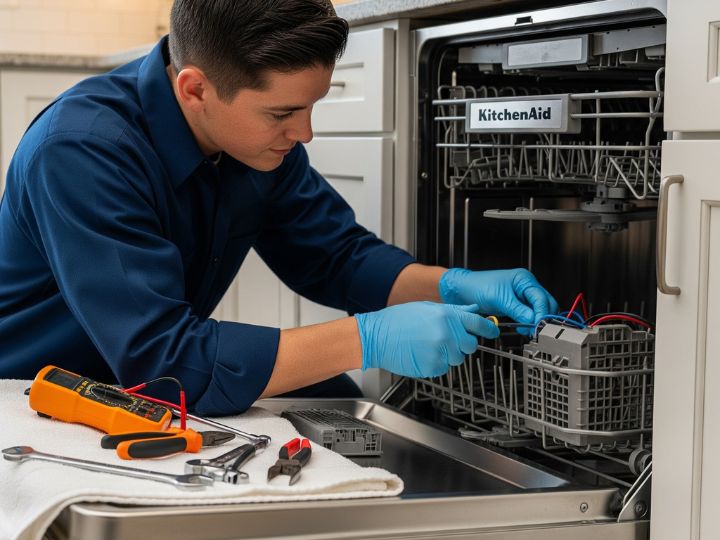
Sometimes, it’s more cost-effective to replace rather than repair. Consider replacement if:
- Your dishwasher is over 10 years old
- Repairs cost more than 50% of a new unit
- Multiple components are failing
- Your energy bills are rising due to inefficiency
Modern dishwashers come with improved energy ratings, quieter operation, and smarter sensors. Check out ENERGY STAR’s dishwasher buying guide to compare energy-efficient models.
Who Should I Call for Trusted Dishwasher Maintenance and Repair Services
If you’re experiencing persistent dishwasher problems or don’t feel confident handling dishwasher repairs yourself, it’s time to call the professionals. 5 Star Appliance Repair offers licensed and certified technicians who provide fast, reliable appliance service tailored to your specific needs.
Here’s why homeowners trust 5 Star Appliance Repair:
- Certified technicians with years of experience
- Fast response times and flexible scheduling
- Upfront pricing with no hidden fees
- Expertise in all major dishwasher brands and models
- Warranty-backed repairs for peace of mind
Don’t let a small issue turn into a costly breakdown—contact us today and restore your dishwasher’s performance.
Final Thoughts
Your dishwasher is one of the most relied-upon appliances in your kitchen, and staying alert to early warning signs can make all the difference. From strange noises to cloudy dishes and electrical issues, recognizing these red flags early gives you the chance to take action before a small problem becomes a major disaster. Whether it’s a quick DIY fix or the need for professional help, addressing issues promptly can extend your dishwasher’s lifespan and improve its performance.
If you’re unsure what your dishwasher is telling you, don’t wait for a complete breakdown. Regular maintenance and expert appliance repair services are the smartest steps you can take.
FAQs
How often should I clean my dishwasher filter?
You should clean your dishwasher filter at least once a month to prevent food buildup and ensure proper drainage. A clogged filter can lead to poor cleaning performance and potential damage to the pump.
Is it normal for my dishwasher to make some noise?
Yes, a low humming or gentle swishing sound is normal during operation. However, loud grinding, banging, or screeching noises could indicate mechanical issues that need attention.
What should I do if my dishwasher starts leaking water?
Turn off the dishwasher and check for obvious issues like door seal damage or loose hoses. If the source isn’t clear, call a professional immediately to prevent water damage and mold growth.
Why are my dishes coming out cloudy even after washing?
Cloudy dishes often result from hard water mineral buildup or a failing rinse cycle. Try using a rinse aid or descaling agent, and inspect the spray arms and filters.
When is it better to replace rather than repair a dishwasher?
If your dishwasher is over 10 years old or repair costs exceed 50% of a new unit, replacement is usually the smarter choice. Newer models offer better efficiency, lower energy use, and improved performance.