

To improve oven efficiency after Halloween, clean leftover spills, check door seals, and remove food debris to ensure even heating. Regular maintenance and recalibration help your oven work efficiently and prepare for the next cooking season.
Key Takeaways:
- Clean oven interior thoroughly
- Inspect and replace worn door seals
- Recalibrate for accurate temperature
- Schedule routine maintenance
Halloween celebrations often mean baking batches of cookies, roasting pumpkins, and preparing festive treats. But once the festivities end, your oven may be left overworked, grimy, and less efficient than before. To ensure your appliance performs at its best and maintains energy efficiency, it’s essential to give it proper care and attention. In this blog, we’ll walk you through how to boost your oven’s efficiency after Halloween cooking — helping you save energy, extend its lifespan, and keep every future meal perfectly cooked.
Table of Contents
1. Why Post-Halloween Oven Maintenance Matters
After days of baking sweet treats and roasting savory dishes, grease, food residue, and burnt particles accumulate inside your oven. These buildups can affect heat distribution, leading to uneven cooking and increased energy consumption. By cleaning and maintaining your oven after the holiday rush, you ensure it continues operating smoothly while preserving food quality and saving on electricity costs.
For guidance on choosing appliances that operate efficiently over their lifetime, see the U.S. Department of Energy’s resource on appliances and electronics.
An efficient oven doesn’t just heat faster — it maintains consistent temperature levels, prevents odors, and extends its overall lifespan. Think of this maintenance as a reset button, preparing your oven for the busy holiday season ahead.
2. Deep Cleaning: The Foundation of Oven Efficiency
A thorough cleaning is the first and most critical step to restore your oven’s performance. Here’s how to do it effectively without damaging its components.
Step 1: Remove and Soak Racks
Take out all removable racks and soak them in warm, soapy water for at least 20–30 minutes. For stubborn grease, use a mixture of baking soda and vinegar. Scrub gently with a non-abrasive sponge to avoid scratching the metal.
Step 2: Clean the Interior
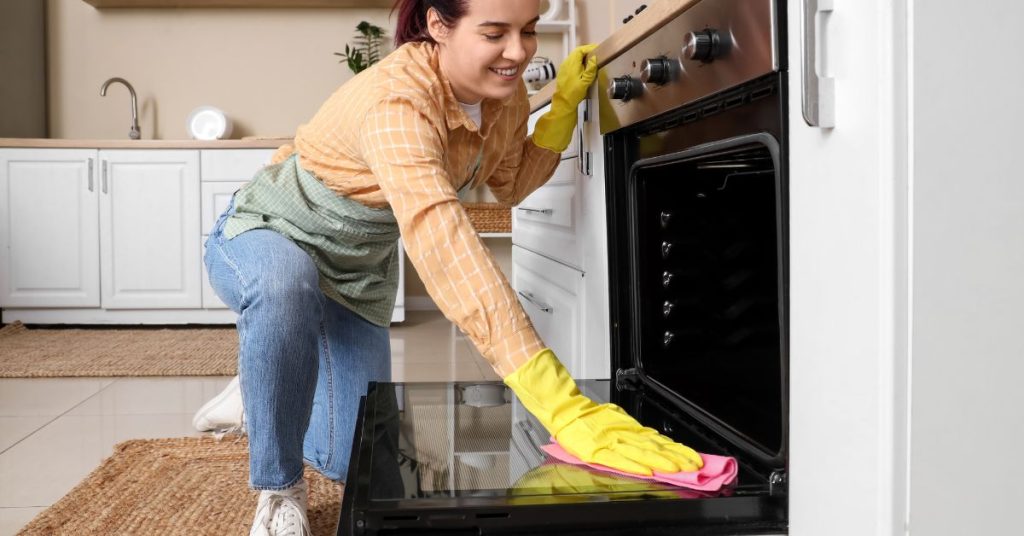
Make a paste using baking soda and water. Spread it evenly inside the oven, avoiding the heating elements. Let it sit overnight to break down grime. The next day, spray white vinegar on the surface, wait for the foam reaction, and wipe it clean with a damp microfiber cloth.
Step 3: Tackle the Door and Seals
Grease and food residue can build up on the glass door and rubber gaskets, reducing heat retention. Use a vinegar-and-water solution or a commercial oven cleaner on the glass, and gently wipe seals with a damp cloth. Avoid harsh chemicals that can damage the gasket.
Step 4: Clean the Exterior and Controls
Use a mild detergent to wipe down knobs, touch panels, and handles. Dirt around controls can affect performance and appearance, so give them a detailed cleaning as well.
3. Inspect Heating Elements and Temperature Accuracy
After heavy Halloween cooking, heating elements can accumulate residue or become slightly misaligned. Check if the heating element glows evenly when turned on. If not, it may be time for replacement.
To ensure accurate temperature control:
- Use an oven thermometer to verify if your oven’s actual temperature matches the set temperature.
- If there’s a noticeable difference (more than 20°F), recalibrate it according to your owner’s manual.
- Regular calibration ensures consistent cooking results and optimal energy efficiency.
4. Replace or Clean the Oven Light
A dim or burned-out oven light makes it challenging to monitor your food while cooking. When you cannot see inside clearly, you may open the oven door frequently, causing the internal temperature to drop and the oven to work harder to recover.
Replacing the light bulb or cleaning its cover can significantly improve visibility and energy efficiency. With a bright, clean light, you can check cooking progress without opening the door, saving energy and maintaining consistent temperatures for better results.
5. Check Door Seals for Heat Retention
The oven door gasket plays a crucial role in keeping heat sealed inside during cooking. Over time, grease, spills, and regular use can weaken the seal, allowing heat to escape and increasing cooking times.
By running your hand along the edges when the oven is on, you can detect leaks or gaps. Replacing a worn gasket ensures a tight seal, maintaining temperature, reducing energy usage, and helping your dishes cook evenly and efficiently.
6. Clean the Oven Vent and Fan System
Proper airflow is essential for even heat distribution, especially in convection ovens. Dust, grease, and debris can accumulate on fan blades and vent openings, restricting airflow and causing inconsistent cooking.
Careful cleaning prevents airflow issues, leading to uneven baking and overheating. Disconnect the oven before cleaning, and use a soft brush or vacuum attachment to remove buildup safely. Maintaining clear vents and fans ensures your oven operates efficiently and extends the appliance’s lifespan.
7. Optimize Your Oven Usage Habits
Efficiency isn’t just about maintenance — it’s also about smart cooking habits. Here are key tips to keep your oven running efficiently year-round:
- Avoid preheating unnecessarily. Many modern ovens heat quickly and don’t require long preheat times for most dishes.
- Cook multiple dishes together when possible to maximize energy use.
- Use the right cookware. Glass and ceramic dishes retain heat better, reducing cooking time.
- Keep the door closed. Resist opening the oven frequently — use the window and light instead.
- Turn off early. Ovens retain heat for several minutes, allowing you to finish cooking using residual heat.
By following these tips, you can lower energy bills while keeping meals perfectly cooked.
8. Use Self-Cleaning Function Wisely
If your oven has a self-cleaning feature, it can be a convenient option after heavy use — but it’s essential to use it properly. Self-cleaning cycles reach extremely high temperatures (up to 900°F), which can stress internal components if used too often.
Follow these tips for safe use:
- Remove racks and any large food debris first.
- Run the self-clean cycle only when heavily soiled.
- Allow the oven to cool completely before wiping down residue.
Limiting self-cleaning to 3–4 times a year is ideal for maintaining both cleanliness and longevity.
9. Check Electrical Connections
For electric ovens, loose, frayed, or damaged wiring can lead to inefficiency, inconsistent heating, or even safety hazards. Inspect the power cord for signs of wear and ensure the plug fits securely into the outlet to maintain steady performance.
If your oven loses power or heats unevenly, it’s essential to call a professional technician for reliable oven repair. Properly maintained electrical connections guarantee your oven operates safely and efficiently, helping your appliance deliver consistent cooking results while minimizing energy waste.
10. Schedule Professional Maintenance
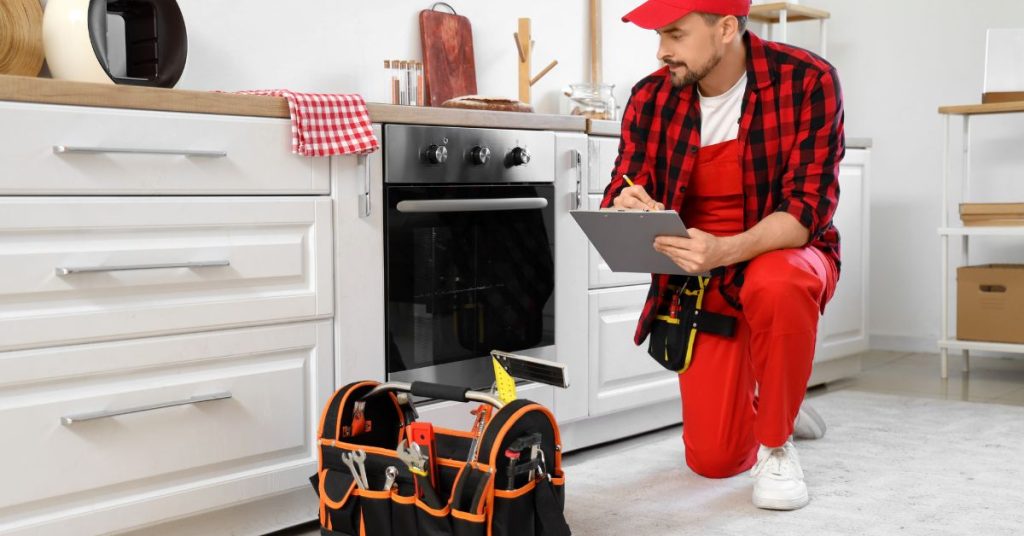
Even with regular cleaning and inspections, professional appliance maintenance ensures that every internal component of your oven is functioning optimally. Certified technicians can evaluate critical parts such as the thermostat, heating elements, and sensors, confirming both performance and safety.
Following the ultimate high-end kitchen appliance maintenance schedule allows homeowners to catch minor issues before they escalate into costly repairs. Scheduling routine professional oven service after busy cooking seasons not only prolongs the life of your oven but also keeps it performing efficiently, safely, and reliably for years to come.
11. Extend Efficiency Beyond the Oven
Your oven doesn’t work in isolation. Kitchen ventilation, ambient temperature, and appliance placement also affect performance. Ensure your range hood is clean and functioning to improve air circulation. Avoid blocking ventilation slots and maintain proper spacing around the oven for optimal airflow.
Also, keep an eye on other kitchen appliances — such as microwaves and cooktops — to ensure overall cooking efficiency. When all appliances perform optimally, your kitchen consumes less energy and delivers consistent results.
12. Prepare for the Holiday Season Ahead
Halloween is just the beginning of the holiday cooking season. Taking time to clean, inspect, and tune up your oven now will make Thanksgiving, Christmas, and New Year’s meals smoother and stress-free. A clean and well-tuned oven helps you avoid uneven baking, temperature issues, and last-minute breakdowns that can ruin festive meals.
By better understanding the reasons to hire a pro for appliance maintenance, you’ll see how expert care keeps your oven running at peak performance. Professional technicians can spot hidden issues, extend your appliance’s lifespan, and help your holiday cooking go perfectly every time.
Final Thoughts
By giving your oven the post-Halloween care it deserves, you ensure lasting performance, lower energy bills, and better-tasting meals. Regular maintenance, smart cooking practices, and occasional professional checkups can dramatically boost your oven’s efficiency and prolong its lifespan. Keep it clean, calibrated, and well-sealed — and your appliance will reward you with reliable performance for years to come.
For optimal results and peace of mind, consider calling 5 Star Appliance Repair for expert appliance inspections and repairs. Our service available locally ensures quick, professional assistance when you need it most. Don’t wait for small issues to become big problems — contact us today to schedule your oven maintenance and enjoy consistent, high-performing kitchen appliances.
FAQs
How often should I clean my oven after heavy use like Halloween?
It’s best to clean your oven thoroughly after any period of heavy cooking or baking to prevent buildup that can affect efficiency. For regular maintenance, deep cleaning every 1–2 months keeps your appliance running optimally.
Can a worn oven door gasket really affect cooking performance?
Yes, a weakened door gasket allows heat to escape, increasing cooking times and energy usage. Replacing or repairing it ensures consistent temperature and evenly cooked meals.
Is it necessary to hire a professional for oven maintenance?
Professional maintenance helps identify hidden issues, calibrate temperature accurately, and ensure safety, especially with electrical components. Following the ultimate high-end kitchen appliance maintenance schedule keeps your oven efficient and prolongs its lifespan.
How can I tell if my oven’s electrical connections are a problem?
Signs include inconsistent heating, the oven losing power, or flickering elements in electric ovens. Calling a technician for reliable oven repair ensures your appliance operates safely and efficiently.
Can I use the self-cleaning function regularly?
Self-cleaning is convenient but should be limited to 3–4 times per year to avoid stressing internal components. Always remove racks and debris first, and allow the oven to cool completely afterward for safe operation.