
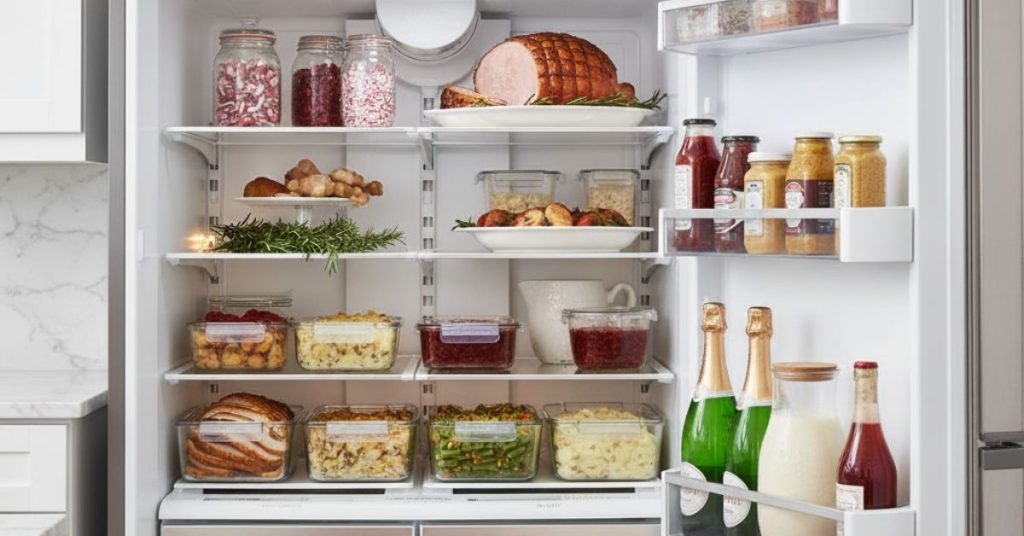
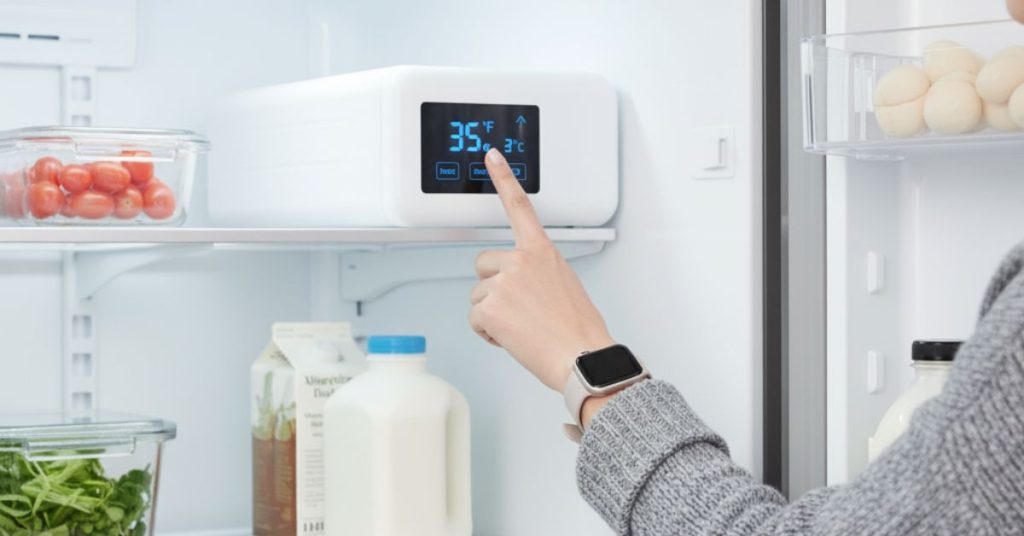
To ensure your dishes stay fresh, adjust to the best refrigerator settings for holiday meals—set the fridge to 37°F (3°C) and the freezer to 0°F (-18°C) for optimal food safety and freshness.
Key Takeaways:
- Maintain fridge temperature at 37°F (3°C).
- Keep the freezer at 0°F (-18°C).
- Avoid overloading to allow proper air circulation.
- Check settings before heavy holiday cooking.
The holiday season brings excitement, gatherings, and, inevitably, an abundance of food. Ensuring that your meals stay fresh and safe requires meticulous attention to your refrigerator settings. Properly optimizing your refrigerator can prevent spoilage, maintain flavor integrity, and provide a stress-free culinary experience for your family and guests. Below, we provide a comprehensive guide on how to optimize your refrigerator settings for holiday meal success, covering temperature adjustments, storage strategies, and advanced tips for efficiency and food safety.
Table of Contents
Understanding the Ideal Refrigerator Temperature
1. Overloaded Dishwasher Racks
One of the most frequent reasons for a noisy dishwasher is overloading the racks. When dishes, pots, and pans are packed too tightly, the spray arms can hit utensils or plates, causing loud clattering sounds. Proper loading ensures that the spray arms rotate freely, water circulates efficiently, and noise is minimized. For guidance on energy-efficient dishwashers and smart loading techniques, visit the ENERGY STAR Dishwasher Guide from the U.S. Environmental Protection Agency.
2. Misaligned or Damaged Spray Arms
The spray arms are crucial for distributing water evenly during a cycle. When food debris or utensils obstruct the spray arms, they can become misaligned or even cracked. Misaligned spray arms often strike dishes or the dishwasher walls, resulting in high-pitched squeals or thuds. Inspecting and adjusting the arms can eliminate unnecessary noise.
3. Clogged or Dirty Filter
A clogged dishwasher filter is a silent but significant contributor to noise. During heavy cleanup, such as after Thanksgiving, large food particles can block the filter. This blockage increases water pressure within the dishwasher, causing gurgling or humming sounds. Regularly cleaning the filter helps maintain smooth water flow and reduces stress on the motor.
4. Worn or Faulty Pump and Motor Bearings
The pump and motor assembly drives water circulation. Continuous heavy loads, particularly during large meal cleanups, can wear out bearings over time. When bearings degrade, they create grinding, rattling, or whining noises during operation. Timely inspection and replacement of worn bearings can restore quiet performance and extend dishwasher lifespan.
5. Loose Dishwasher Components
Dishwashers have multiple internal components such as racks, wheels, and spray arm mounts. Loose or damaged parts can vibrate during high-pressure cycles. Thanksgiving cleanup often exposes these vulnerabilities due to heavier-than-normal loads. Tightening screws, securing racks, and replacing damaged mounts are effective ways to eliminate rattling and banging.
6. Hard Water Deposits and Limescale Build-Up
Hard water can leave mineral deposits on internal components, including spray arms, filters, and heating elements. These deposits restrict movement, cause scraping sounds, and reduce cleaning efficiency. Descaling your dishwasher using a professional cleaner or vinegar solution can reduce noise and restore optimal function.
7. Improperly Placed Utensils and Large Pots
Heavy pans and sharp utensils placed improperly can amplify noise during cycles. Metal utensils that touch each other or the dishwasher walls can create a metallic clanging sound. Strategically placing large items and separating metal utensils can reduce noise significantly.
Step-by-Step Guide to Reduce Dishwasher Noise After Thanksgiving
Maintaining the correct temperature is crucial for preserving food quality and preventing bacterial growth. For holiday meals, when your refrigerator is likely to be packed with large quantities of perishable items, keeping the temperature consistent is even more critical.
- Recommended Temperature: The ideal temperature for your refrigerator is between 34°F and 40°F (1°C and 4°C). Keeping it at 37°F is generally perfect for balancing freshness and energy efficiency. According to the USDA, keeping your fridge at or below 40°F (4°C) is key for food safety.
- Freezer Settings: Your freezer should maintain a temperature of 0°F (-18°C) to ensure long-term storage of frozen ingredients and leftovers.
Avoid Frequent Changes: Constantly adjusting the temperature can create fluctuations that compromise food safety. Set your thermostat before stocking the fridge with holiday foods.
Strategic Food Placement for Maximum Freshness
How you arrange your holiday meals inside the refrigerator can significantly affect their longevity. Different sections of your fridge experience varying levels of temperature and airflow, which can impact food quality.
- Top Shelves: Ideal for ready-to-eat foods, drinks, and leftovers. These areas remain most consistent in temperature.
- Middle Shelves: Perfect for dairy products such as milk, cheese, and yogurt. This section maintains a stable temperature while preventing exposure to warmer air from the door.
- Bottom Shelves: Best for raw meats, poultry, and seafood, as these are the coldest areas. Always store in leak-proof containers to prevent cross-contamination.
- Drawers: Crisper drawers maintain humidity levels suitable for fruits and vegetables. Adjust humidity settings based on produce type: high humidity for leafy greens, low humidity for fruits like apples and citrus.
- Door Storage: The warmest part of the fridge is ideal for condiments, sauces, and beverages—not perishable items like milk or eggs.
Maximizing Airflow and Preventing Overcrowding
Overloading your refrigerator during the holidays can obstruct airflow, leading to uneven cooling and faster spoilage. Proper airflow is key to maintaining the set temperature throughout the fridge.
- Avoid Overpacking: Leave at least 2-3 inches of space between items to allow cold air to circulate.
- Use Bins and Organizers: Group similar items together to reduce the time the door remains open when searching for ingredients.
- Monitor Door Openings: Minimize frequent door openings during peak meal preparation periods to maintain consistent internal temperature.
Holiday-Specific Refrigerator Adjustments
During the holidays, refrigerators endure extra strain due to the influx of large food quantities. Small adjustments can make a significant difference.
- Pre-Chill Your Refrigerator: Before storing large amounts of food, lower the temperature slightly to compensate for the incoming items’ warmth.
- Stagger Cooling: Introduce items gradually rather than all at once to prevent temperature spikes.
- Check Thermometers: Use an appliance thermometer to ensure accurate readings, especially if your refrigerator lacks a digital display. Follow the USDA’s “Chill” guidelines to divide large dishes into shallow containers—this helps food cool faster and safer.
Food Safety Tips for Holiday Meals
Maintaining food safety during the holidays is non-negotiable. Improper storage can lead to bacterial growth, foodborne illnesses, and wasted ingredients.
- Cooked Foods: Refrigerate within 2 hours of cooking. Large turkeys or roasts should be sliced into smaller portions to cool faster.
- Leftovers: Store in shallow containers to speed cooling. Consume within 3-4 days.
- Temperature Checks: Use a probe thermometer to verify the internal temperature of stored items like roasts, casseroles, and gravies.
- Avoid Refreezing: Once defrosted, do not refreeze raw or cooked food, as this compromises safety and quality.
Leveraging Refrigerator Features for Holiday Success
Modern refrigerators come equipped with advanced features designed to optimize storage and preservation, which are especially useful during holiday preparations.
- Adjustable Shelving: Customize shelf height to fit tall roasting pans or multi-tiered desserts.
- Humidity-Controlled Drawers: Perfect for prolonging the freshness of produce and reducing food waste.
- Quick-Chill Zones: Ideal for beverages, wine, or pre-chilled appetizers, allowing rapid cooling without lowering overall fridge temperature.
- Temperature-Controlled Freezer Compartments: Ensures frozen desserts and meats maintain peak quality.
Energy Efficiency and Holiday Preparedness
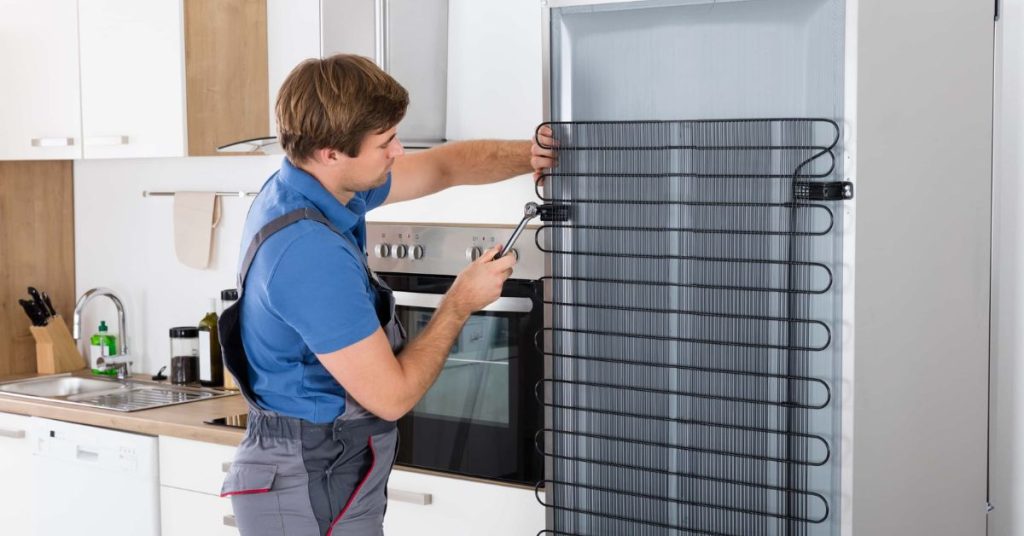
Holiday cooking and entertaining can push your refrigerator’s energy usage to the maximum. Maintaining efficiency while keeping food safe is achievable with a few proactive steps.
- Avoid Blocking Vents: Ensure no large items obstruct the cold air vents.
- Routine Maintenance: Clean condenser coils and replace filters to improve cooling efficiency.
- Door Seals: Inspect and clean gaskets to maintain a proper seal, preventing cold air from escaping.
- Energy-Saving Mode: Some refrigerators have vacation or energy-saving modes; use cautiously when expecting a full fridge.
Quick Tips for a Smooth Holiday Season
- Label Leftovers: Mark containers with the date and contents to prevent spoilage.
- Organize by Meal Course: Store ingredients together to speed up preparation.
- Use Clear Storage Containers: Easily identify contents without opening each container.
- Plan for Defrosting: Move frozen items to the refrigerator 24–48 hours before use.
- Refrigerator Cleaning Before Holidays: Deep-clean shelves, drawers, and surfaces before storing large holiday meals. This step ensures optimal hygiene and freshness.
Need Professional Help? Call 5 Star Appliance Repair
The holiday season often means fully stocked fridges and freezers, which can put even the most reliable appliances to the test. If your refrigerator struggles to maintain the correct temperature or shows signs of malfunction, professional refrigerator repair from 5 Star Appliance Repair can save your holiday meals from spoilage. Acting quickly ensures that your food stays fresh, safe, and ready for family and guests without the stress of last-minute cooking emergencies.
Expert technicians at 5 Star Appliance Repair can diagnose and fix issues efficiently, whether it’s a cooling problem, a faulty thermostat, or a freezer not keeping items frozen. Relying on trained professionals for refrigerator maintenance and repair service not only restores optimal performance but also prevents future appliance failures during critical cooking periods. This proactive approach keeps your kitchen running smoothly and guarantees peace of mind throughout the festive season.
Conclusion
Optimizing your refrigerator settings for the holidays is essential to keep your meals fresh, safe, and delicious. Paying attention to temperature, organization, airflow, and food safety ensures that every dish—from turkey to desserts—retains its quality and flavor. By taking these precautions, you not only protect your ingredients but also make holiday cooking and entertaining more enjoyable and stress-free.
If you encounter any refrigerator issues during the festive season, don’t wait until it’s too late. Book us now at 5 Star Appliance Repair for fast, professional refrigerator repair service, ensuring your appliance runs at peak performance and your holiday celebrations go off without a hitch.
FAQs
What is the ideal temperature for my refrigerator during the holidays?
The ideal refrigerator temperature is 37°F (3°C), and the freezer should be set at 0°F (-18°C). Maintaining these temperatures ensures your food stays fresh and safe while preventing bacterial growth.
How can I prevent my refrigerator from overloading during holiday meals?
Avoid overpacking by leaving 2–3 inches of space between items to allow proper air circulation. Using bins or organizers can help group similar items and make it easier to access food without leaving the door open too long.
How long can leftovers safely stay in the fridge?
Leftovers should be stored in shallow containers to cool quickly and consumed within 3–4 days. Always check the temperature and appearance before eating to ensure safety.
When should I call a professional for refrigerator repair?
Call a professional if your fridge is not maintaining the correct temperature, making unusual noises, or if the freezer isn’t keeping items frozen. Early intervention from experts like 5 Star Appliance Repair prevents food spoilage and costly damage.
Can I store fruits and vegetables together in the crisper drawers?
It depends on the humidity setting: use high humidity for leafy greens and low humidity for fruits like apples and citrus. Properly adjusting the drawers extends freshness and reduces waste during holiday cooking.