
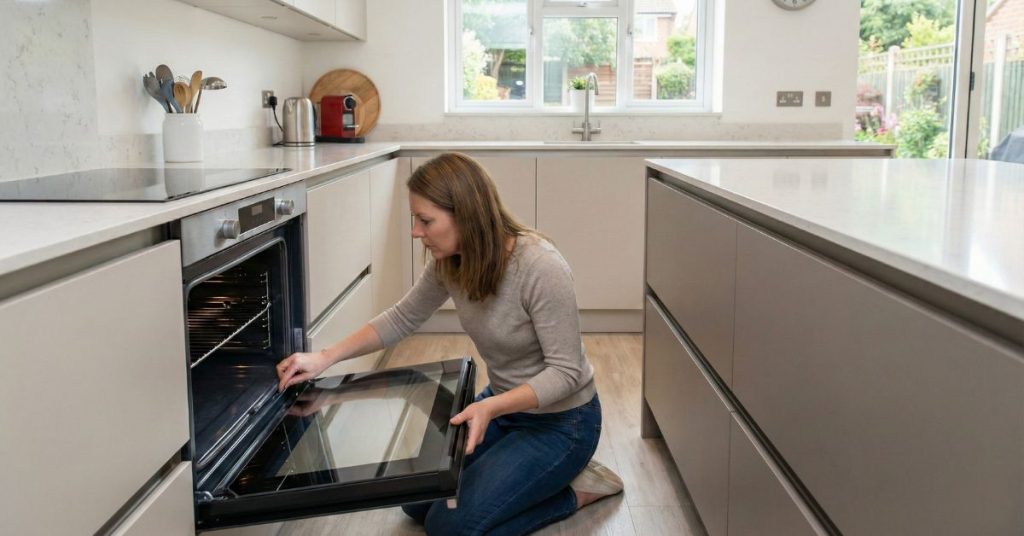
Regularly clean your oven, check door seals, and calibrate the thermostat to save energy and cook evenly. These simple steps are essential for improving oven efficiency before New Year.
Key Takeaways:
- Clean oven interior and racks.
- Inspect and replace faulty door seals.
- Calibrate oven thermostat for accurate cooking.
- Preheat only when necessary to save energy.
- Schedule routine maintenance for long-term efficiency.
The kitchen is the heart of every home, and a fully functioning oven is indispensable for preparing delicious meals. As the year comes to a close, it’s the perfect time to focus on improving oven efficiency before New Year. Optimizing your oven not only saves energy but also ensures consistent cooking results, reduces repair costs, and extends the appliance’s lifespan.
According to ENERGY STAR, well-maintained appliances operate more efficiently and consume less energy, making seasonal tune-ups especially valuable. Below, we present a comprehensive guide to boosting your oven’s performance with practical, professional strategies.
Table of Contents
Start With a Thorough Oven Inspection
The first step in enhancing your oven’s efficiency is a meticulous inspection. Begin by checking the door seal, which can degrade over time, allowing heat to escape and causing your oven to work harder. Look for tears, cracks, or gaps in the gasket. A compromised seal leads to uneven cooking and higher energy consumption.
Next, examine the heating elements for signs of wear, corrosion, or discoloration. Electric ovens rely on consistent heat distribution, and a malfunctioning element can result in undercooked dishes or hot spots. Gas ovens require a careful inspection of burners and igniters, ensuring flames burn blue and evenly. Cleaning these components not only improves efficiency but also minimizes potential hazards. For additional safety guidance on household appliances, you can refer to the U.S. Consumer Product Safety Commission, which provides official standards and safety recommendations.
For a deeper analysis, test your oven’s temperature accuracy with an oven thermometer. Even minor deviations from the set temperature can drastically affect cooking outcomes. If discrepancies exist, it’s time to schedule professional oven repair to recalibrate and restore optimal performance.
Deep Clean Your Oven for Better Performance
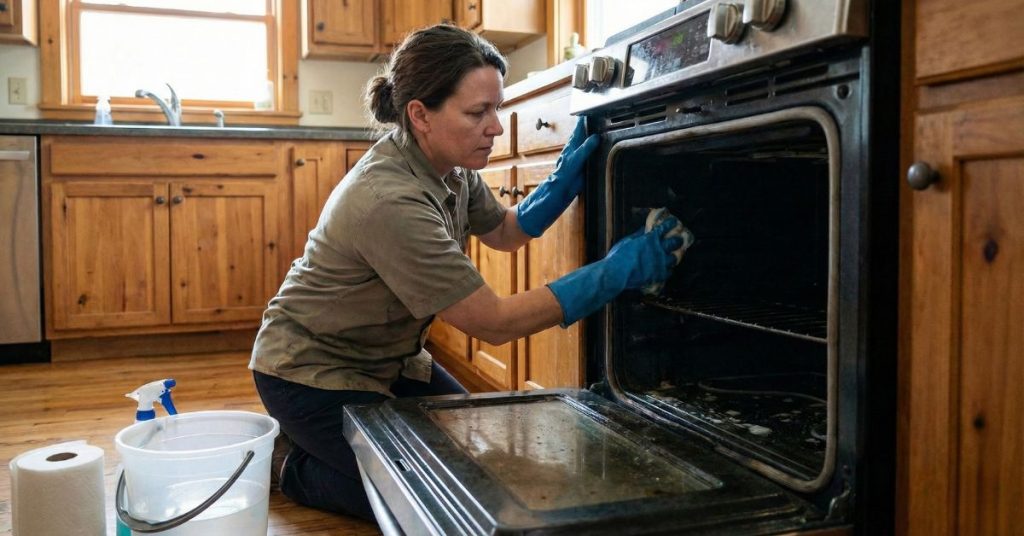
A clean oven is an efficient oven. Accumulated grease, burnt food, and residue hinder heat circulation and prolong cooking times. We recommend a step-by-step cleaning regimen:
- Remove oven racks and trays: Soak them in warm, soapy water to loosen baked-on debris.
- Clean the interior surfaces: Use a mixture of baking soda and water or a specialized oven cleaner to scrub stubborn stains.
- Address the oven door: Wipe down the glass with a non-abrasive cleaner to maintain visibility and prevent heat loss.
- Inspect and clean vents: Ensure the exhaust system is free of blockages to facilitate proper airflow.
Maintaining a spotless oven interior contributes significantly to energy efficiency and ensures even cooking, making this a vital step in the best year end tune up for kitchen appliances.
Optimize Your Oven Settings for Efficiency
Modern ovens offer a variety of settings designed to conserve energy and enhance cooking results. Familiarizing yourself with these features can significantly boost efficiency:
- Convection Mode: Circulates hot air evenly throughout the oven cavity, reducing cooking times by up to 25% and promoting uniform results.
- Self-Cleaning Cycles: While convenient, frequent use can consume significant energy; balance cleaning frequency with manual scrubbing to optimize efficiency.
- Preheating: Avoid unnecessary preheating for short baking tasks, but ensure proper preheating for recipes requiring precise temperatures.
The U.S. Department of Energy’s Energy Saver resource offers additional advice on maximizing appliance efficiency and lowering household energy use. Adjusting these settings wisely keeps your kitchen comfortable and your utility bills manageable.
Maintain and Replace Key Oven Components
To keep your oven operating at peak performance, regular maintenance is essential. Consider scheduling reliable oven maintenance services annually. These services typically include:
- Calibrating temperature controls for precise cooking.
- Inspecting electrical connections to prevent overloads or shorts.
- Lubricating moving parts to minimize wear and tear.
- Testing safety features to ensure compliance with current standards.
Replacing worn-out components such as heating elements, gaskets, or burners before they fail is an investment in efficiency and safety. Timely appliance maintenance prevents unexpected breakdowns, particularly during high-demand periods like holiday cooking.
Energy-Saving Tips for Smarter Oven Use
Simple habits in the kitchen can make a measurable difference in energy consumption and efficiency:
- Cook Multiple Dishes Simultaneously: Utilize oven space fully to reduce overall cooking cycles.
- Use Appropriate Bakeware: Dark, thin pans heat faster, while glass or ceramic retain heat longer, decreasing energy use.
- Keep the Door Closed: Opening the oven repeatedly can drop temperatures by 25–30°F, extending cooking times.
- Turn Off Early: For dishes that continue to cook off-heat, turn off the oven a few minutes before the timer expires to save energy.
By implementing these small adjustments, homeowners can enjoy optimized cooking performance and reduced utility bills.
Professional Oven Repair and Maintenance: Why It Matters
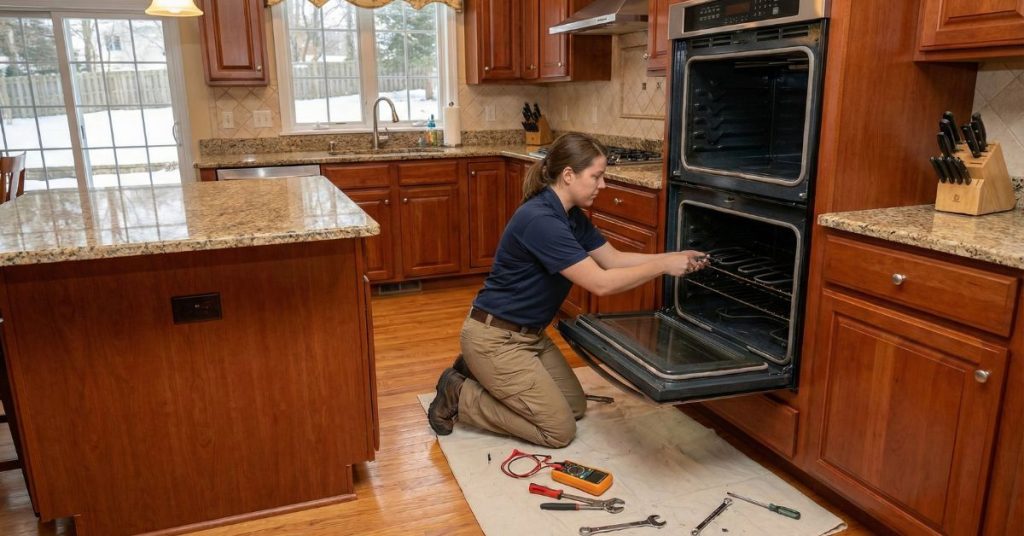
Even with careful cleaning and proper usage, ovens can develop issues that need expert attention. 5 Star Appliance Repair provides professional oven repair services to ensure every component works flawlessly, from thermostats to igniters. Our certified appliance technicians can detect hidden problems early, preventing costly damage, improving efficiency, and extending the appliance’s lifespan.
Regular oven maintenance from 5 Star Appliance Repair enhances safety, ensures consistent performance, and reduces unexpected breakdowns during busy cooking seasons. For reliable oven care and peace of mind, contact us now and schedule an oven service with our expert team today.
Integrate a Year-End Appliance Tune-Up
The end of the year is the perfect time to schedule a comprehensive appliance check. Booking the best year-end tune up for kitchen appliances ensures that professionals can thoroughly inspect your oven, stove, refrigerator, and ventilation systems. This proactive approach identifies minor issues before they turn into costly repairs, helping your appliances perform at their best.
By opting for expert appliance maintenance services from 5 Star Appliance Repair, you not only optimize energy efficiency but also extend the lifespan of your kitchen appliances. This ensures your kitchen is fully ready for holiday gatherings and everyday cooking in the new year.
Conclusion: Maximize Efficiency, Safety, and Longevity
Boosting oven efficiency before the New Year is a smart way to enhance your cooking experience while reducing energy costs and extending your appliance’s lifespan. Through consistent cleaning, proper usage, and timely maintenance, homeowners can ensure their ovens perform reliably during the busy holiday season and beyond. Paying attention to signs of wear, temperature inconsistencies, and airflow issues helps prevent small concerns from turning into costly repairs.
Partnering with 5 Star Appliance Repair ensures your oven receives expert care, precise calibration, and thorough inspection. With the right maintenance routine, your kitchen will stay efficient, safe, and fully prepared for year-round cooking success.
For dependable oven service, book now.
FAQs
How often should I clean my oven to maintain efficiency?
Clean your oven every three to six months, depending on how frequently you use it. Regular cleaning helps improve heat circulation and prevents burnt residue from affecting cooking performance.
Why is checking the oven door seal important?
A worn or damaged door seal lets heat escape, forcing the oven to use more energy. Replacing it ensures consistent temperatures and more efficient cooking.
What are signs that my oven thermostat needs calibration?
If your food cooks unevenly or takes longer than expected, the thermostat may be inaccurate. Using an oven thermometer can confirm temperature discrepancies that require professional adjustment.
Is preheating always necessary before cooking?
Preheating is essential for recipes requiring precise temperatures, such as baked goods. For quick or simple dishes, you can often skip preheating to save energy.
Why should I schedule professional oven maintenance annually?
A yearly inspection helps detect worn components, loose connections, and temperature inaccuracies early. This prevents unexpected breakdowns and keeps your oven running efficiently through the holidays and beyond.