
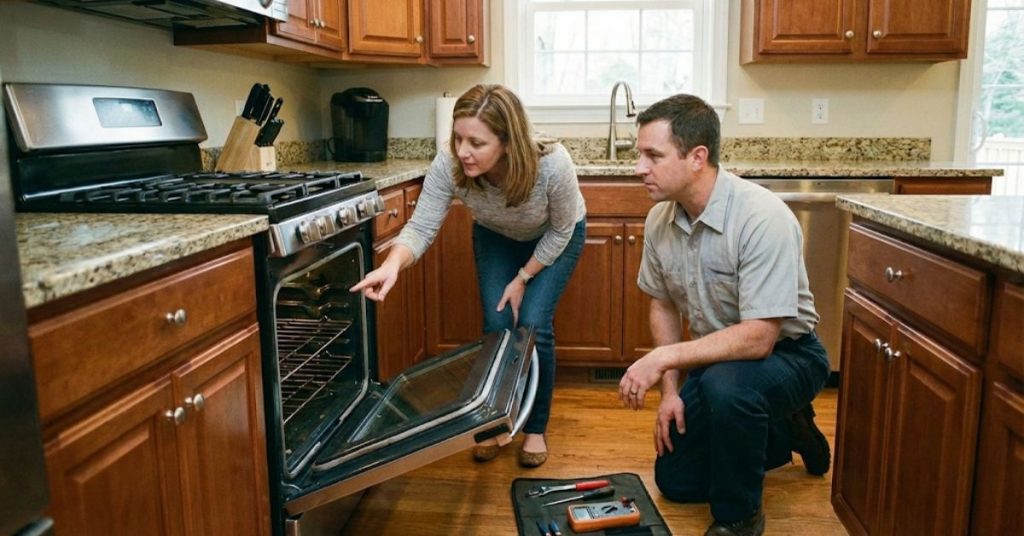
Stove burners often fail due to clogged ports, dirty igniters, or gas flow issues. Homeowners can clean components, but persistent problems require professional stove repair services for safe, reliable performance.
Key Takeaways:
- Clogged burners and dirty igniters cause most lighting issues.
- Basic cleaning can fix minor ignition problems.
- Persistent failures or gas concerns require expert stove repair services.
- Professional help ensures safety and long-term functionality.
Stove burners not lighting can disrupt your cooking and even pose safety risks. Whether you have a gas stove or an electric stove, issues can stem from clogged burners, faulty igniters, gas supply problems, or electrical malfunctions. Understanding the cause, performing proper maintenance, and knowing when to call a certified technician ensures your stove works safely and efficiently.
Table of Contents
Common Causes of Stove Burners Not Lighting
When burners fail to ignite, the problem usually falls into one of several categories:
1. Dirty Burner Components
Burners clogged with food debris, grease, or spills can block gas or electric ignition. Electric stove coils may lose contact, while gas burners may experience blocked ports. Regular cleaning of burners, drip pans, and ignition openings prevents these issues.
2. Faulty Igniters or Spark Modules
Gas stoves rely on spark igniters to light burners. If the igniter or spark module is faulty, you may hear clicking without a flame. Electric stoves can experience coil element failures. Replacement may be necessary if cleaning doesn’t restore function.
3. Gas Supply Problems
Closed valves, kinked lines, or gas regulator issues can prevent burners from lighting. Never attempt DIY repairs if a gas leak is suspected; only certified technicians should handle gas lines.
4. Electrical Malfunctions
Electric stoves may fail to ignite due to faulty wiring, control boards, or power interruptions. Flickering lights, uneven heating, or unresponsive knobs are signs a professional inspection is required.
5. Worn-Out Components
Burner heads, igniters, or control switches wear out over time. Routine checks and timely replacement extend stove life and reduce the risk of sudden failures.
Don’t let a dead burner ruin your meal—schedule your service now!
DIY Fixes Homeowners Can Attempt Safely
Certain issues can be addressed without calling for professional stove services:
- Clean Burners and Igniters: Remove burner caps and heads, and clean with a soft brush and mild detergent. Ensure igniters are free of debris.
- Check Gas Supply: Make sure gas valves are open and lines are unobstructed.
- Inspect Electrical Connections: For electric stoves, verify the plug, circuit breakers, and wiring.
- Replace Components: If burners or igniters are damaged or worn, replace them with compatible parts.
⚠️ Persistent problems or any gas-related issues should always be handled by professionals.
When to Call for Stove Repair
Certain conditions signal that it’s time to contact 5 Star Appliance Repair for expert stove repair:
- Persistent Ignition Failures: Burners fail despite cleaning and checking gas supply.
- Gas Leaks or Unusual Smells: Any odor of gas requires immediate attention.
- Electrical Malfunctions: Sparking, flickering lights, or unresponsive controls.
- Inconsistent Heating: Burners heat unevenly or fluctuate.
- Old or Worn-Out Stove: Appliances over 10–15 years old may need inspection to prevent ongoing issues.
Get your stove working perfectly again—book professional stove repair today!
Importance of Regular Stove Maintenance
Regular stove maintenance extends the lifespan of your appliance and reduces the likelihood of burners not lighting. Key maintenance tasks include:
- Monthly Cleaning: Wipe burner surfaces, drip pans, and control knobs to prevent buildup.
- Periodic Component Checks: Inspect igniters, coils, and gas lines for signs of wear.
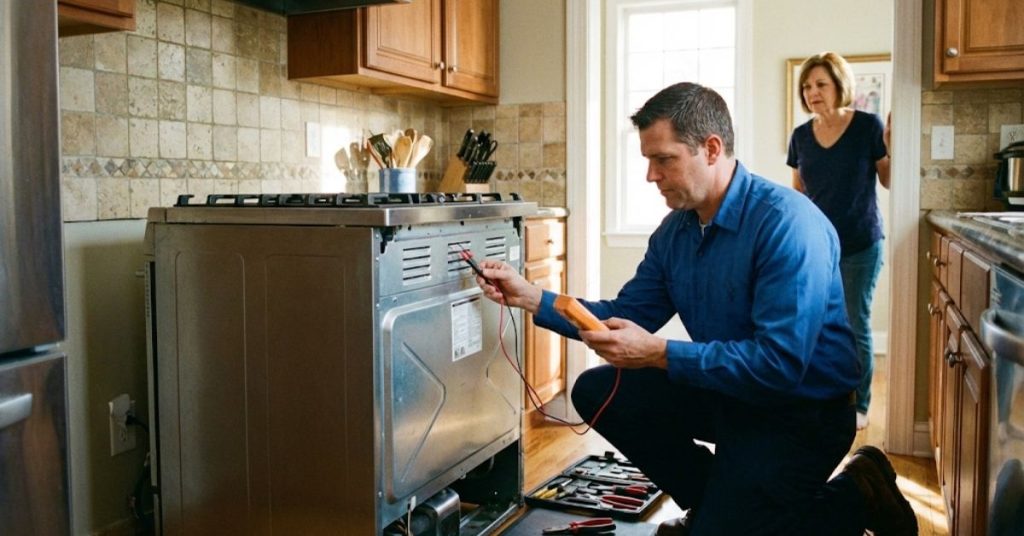
- Professional Inspection: Scheduling annual check-ups with certified technicians ensures your stove operates safely and efficiently.
Maintenance not only improves performance but also minimizes the risk of costly repairs. For tips on preventing appliance and electrical fires at home, check out the FEMA Appliance & Electrical Fire Safety guide.
Choosing Professional Stove Services
Certified technicians from 5 Star Appliance Repair can:
- Diagnose complex ignition and heating issues
- Replace faulty components with OEM parts
- Ensure gas and electrical connections meet safety standards
- Provide long-term solutions rather than temporary fixes
Working with professionals reduces the risk of accidents and prolongs the life of your appliance.
Don’t wait—schedule expert stove repair today and enjoy a safer, flawlessly working kitchen!
Tips to Prevent Future Ignition Problems
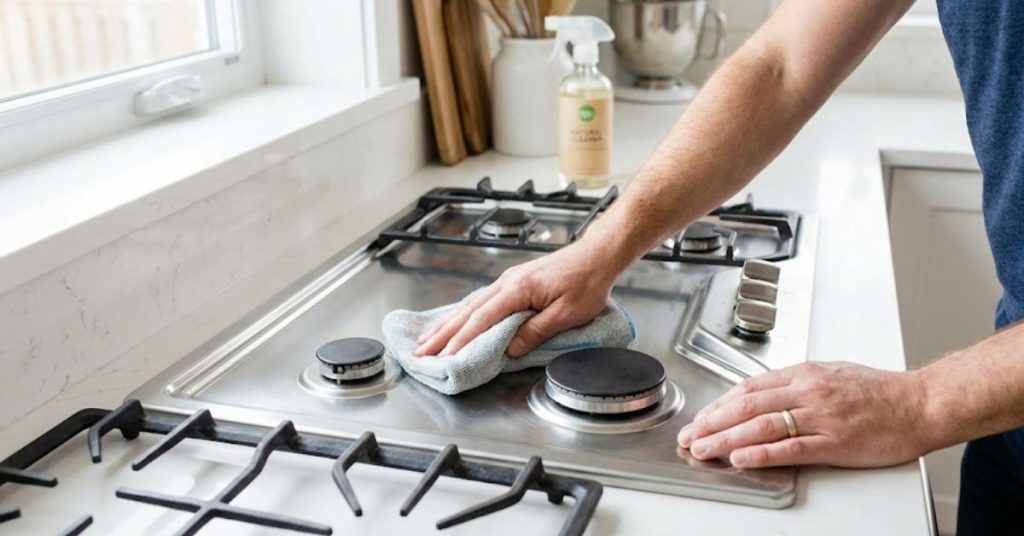
Simple habits help prevent burner ignition problems.
- Avoid Spills on Burners: Promptly clean spills to prevent clogs and residue buildup.
- Use Proper Burner Size: Match cookware to burner size to prevent flame disruptions.
- Follow Manufacturer Guidelines: Adhere to recommended cleaning and usage procedures.
- Schedule Regular Professional Inspections: Even with proper care, routine checks prevent unexpected failures.
Proactive measures combined with periodic stove repair when needed can keep your kitchen running smoothly for years.
Conclusion
Stove burners not lighting can disrupt daily routines and pose safety risks. Regular cleaning, proper usage, and timely maintenance help prevent common ignition problems. For persistent or complex issues, professional stove repair ensures your appliance works safely and efficiently.
Keep your kitchen safe and worry-free—contact us for professional stove repair now!
FAQs
Why are my stove burners not lighting even after cleaning?
Persistent ignition problems can result from a faulty igniter, damaged spark module, or electrical issues. Professional stove repair is safest if cleaning doesn’t help.
Can I fix a gas stove burner that won’t ignite myself?
Minor issues like clogged burners or closed valves can be fixed at home, but gas leaks or internal malfunctions require certified technicians.
How often should I perform stove maintenance to prevent burners from not lighting?
Monthly cleaning plus annual professional inspections ensures burners, igniters, gas lines, and electrical components stay safe and functional.
What are the signs that my electric stove needs professional repair?
Look for burners not heating, flickering lights, unresponsive knobs, or inconsistent temperatures. DIY repairs are risky for these issues.
Do old stoves cause burners to stop lighting frequently?
Yes. Stoves over 10–15 years old often have worn-out components that lead to repeated ignition failures. Timely maintenance and repairs help extend appliance life.