

The most common refrigerator problems in January include temperature fluctuations, frost buildup, water leaks, noisy operation, and ice maker malfunctions, often caused by colder weather, increased usage, and aging components during winter months.
Key Takeaways:
- Cold temperatures can affect fridge performance
- Frost buildup is common during winter
- Leaks often result from frozen or clogged lines
- Unusual noises may signal stressed components
- Ice makers are prone to winter-related issues
January brings unique challenges for homeowners, and understanding the common refrigerator problems in January is essential for food safety and appliance efficiency. Cold indoor temperatures, post-holiday usage, and aging components often cause temperature fluctuations, frost buildup, water leaks, and noisy operation. Early detection and preventive care help avoid costly repairs, maintain consistent cooling, and protect stored food.
This guide highlights winter-specific fridge issues, explains why they occur, and provides practical tips for maintaining refrigerator performance during the coldest months.
Table of Contents
Why January Is a Critical Month for Refrigerator Performance
Refrigerators work harder than most homeowners realize during winter. The aftermath of holiday entertaining, increased door openings, fluctuating ambient temperatures, and power load shifts all affect internal components. These conditions often reveal underlying weaknesses that remain hidden throughout the year.
Addressing post holiday refrigerator issues promptly ensures stable operation during the coldest months and prevents costly failures later in the season. For a deeper understanding of how the season affects performance, check out our article on How Cold Weather Impacts Refrigerator Efficiency in Winter.
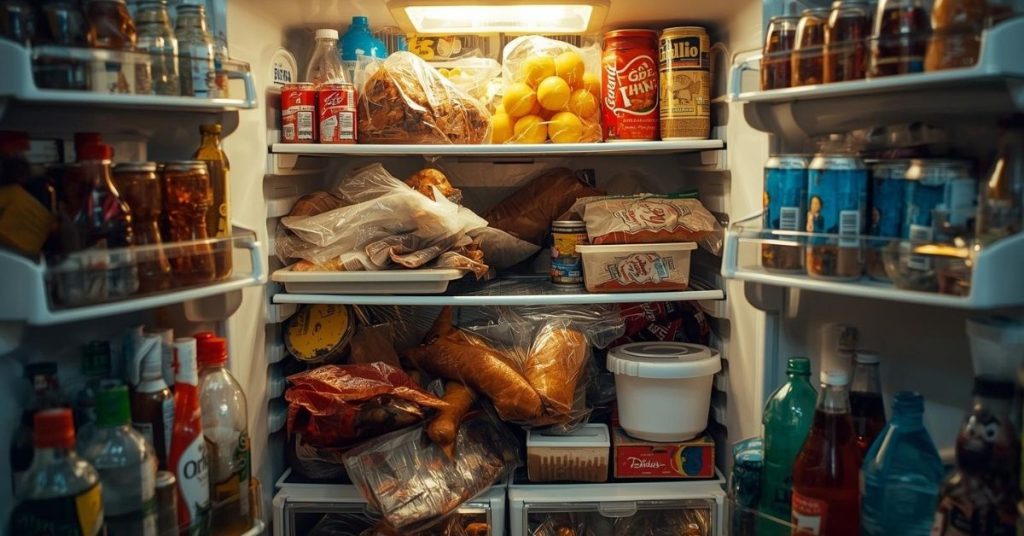
1. Fridge Not Cooling Properly After Heavy Holiday Use
One of the most reported winter complaints is a fridge not cooling after holidays. During December, refrigerators are often overloaded with leftovers, party platters, and beverages. This excessive demand strains the compressor and restricts airflow around evaporator coils.
Reduced cooling efficiency in January typically stems from blocked vents, dirty condenser coils, or a thermostat that was adjusted to accommodate short-term holiday needs. When cooling performance does not recover, internal temperatures rise slowly, leading to premature food spoilage. Homeowners should follow official FDA food safety tips during power outages and cooling failures to prevent foodborne illness and ensure safe storage temperatures.
We recommend restoring airflow balance, cleaning coils thoroughly, and recalibrating temperature settings immediately after peak usage periods.
2. Refrigerator Noise Caused by Winter Conditions
Unusual sounds become more noticeable in colder months, making refrigerator noise winter issues a frequent concern. Low indoor temperatures can affect lubricants inside fan motors and compressors, causing humming, clicking, or rattling noises during operation cycles.
In many cases, these sounds originate from condenser fans encountering frost accumulation or expansion and contraction of internal components due to temperature shifts. While occasional noise is normal, persistent or escalating sounds signal mechanical stress that should be evaluated promptly to prevent component failure.
3. Water Leaks Forming Under or Inside the Refrigerator
A fridge leaking water during January is often linked to blocked defrost drains or frozen water lines. Cold indoor air can freeze residual moisture inside drain tubes, forcing melted frost to escape into refrigerator compartments or onto the kitchen floor.
Leaks can also result from misaligned drain pans or cracked water supply lines affected by temperature fluctuations. Left unaddressed, water accumulation damages flooring, promotes mold growth, and compromises insulation efficiency. Immediate inspection and clearing of drainage pathways is essential during winter months.
4. Excessive Frost in the Freezer Compartment

Freezer frost buildup winter problems increase when humidity from holiday food storage meets cold ambient air. Frost forms rapidly if door seals are worn or if freezer doors remain open longer than necessary.
Heavy frost reduces usable storage space, restricts airflow, and forces the compressor to work overtime. Over time, this leads to increased energy consumption and premature mechanical wear. Maintaining airtight door seals and minimizing door openings significantly reduces frost accumulation during January.
For detailed tips on frost management, read Frosted Fiasco: Tackling Frost Buildup in Freezers and Fridges.
5. Inconsistent Internal Temperatures at the Start of the Year
The temperature fluctuation fridge issue often surprises homeowners. Colder kitchens can confuse temperature sensors, causing the refrigerator to cycle incorrectly. As a result, food may freeze in some areas while remaining inadequately chilled in others.
These fluctuations place strain on control boards and compressors, accelerating long-term wear. Stabilizing kitchen temperatures and ensuring accurate thermostat calibration restores consistent performance and protects stored food items.
How January Conditions Amplify Refrigerator Stress
Winter environments introduce unique stress factors not present during warmer months. Reduced ambient heat affects condenser efficiency, while increased electrical demand from heating systems can create power inconsistencies. These conditions contribute to the common refrigerator problems in January that often require professional assessment rather than temporary fixes.
When Professional Intervention Becomes Necessary
While basic maintenance resolves minor issues, persistent performance problems demand expert evaluation. Certified refrigerator repair services address compressor strain, electrical irregularities, sensor failures, and mechanical wear before they escalate into complete breakdowns.
January breakdowns are particularly disruptive due to limited food storage alternatives and increased indoor reliance on appliances. Scheduling same day refrigerator repair winter support minimizes downtime and prevents food loss during critical cold-weather periods.
Why Expertise Matters in Winter Refrigerator Repairs
Winter appliance repairs require specialized knowledge of seasonal performance patterns. Experienced professionals understand how cold environments affect refrigerant flow, thermostat accuracy, and motor efficiency. Working with top rated refrigerator technicians ensures accurate diagnosis, durable repairs, and optimized performance throughout the remainder of the winter season.
Preventive Measures to Maintain Refrigerator Reliability
Proactive care reduces winter-related problems. Recommended steps include:
- Cleaning condenser coils monthly
- Inspecting door seals for wear
- Maintaining proper airflow clearance
- Monitoring internal temperatures weekly
Who to Call for Professional Refrigerator Repairs in Winter
Persistent refrigerator issues in January often require expert attention. Certified technicians understand how cold indoor temperatures, heavy holiday usage, and seasonal stress affect appliance performance. They can diagnose compressor strain, sensor malfunctions, thermostat errors, and mechanical wear to ensure effective, long-lasting repairs.
For reliable, same-day winter appliance service, 5 Star Appliance Repair offers certified refrigerator repair solutions tailored to seasonal conditions.
Protect your food and restore efficiency—contact us now!
Ensuring Reliable Refrigeration All Winter Long
January challenges reveal how critical proper refrigerator maintenance truly is. From cooling inefficiencies to frost buildup and water leaks, winter conditions demand immediate attention and informed solutions. Addressing issues early protects food safety, household comfort, and appliance investment while ensuring consistent performance through the coldest season.
Book us today to keep your refrigerator running at peak performance!
FAQs
Why is my refrigerator not cooling properly in January?
Cold indoor temperatures and post-holiday heavy usage can strain the compressor and block airflow, leading to insufficient cooling.
How does frost buildup affect my freezer?
Excessive frost reduces storage space, restricts airflow, and forces the compressor to work harder, increasing energy use and wear.
Can cold kitchens cause temperature fluctuations inside my fridge?
Yes, colder ambient temperatures can confuse sensors, causing uneven cooling, frozen spots, or under-chilled areas.
Why is my fridge making unusual noises in winter?
Frost accumulation and colder lubricants can affect fan motors and compressors, creating humming, clicking, or rattling sounds.
When should I call a refrigerator repair technician in January?
If cooling is inconsistent, water leaks appear, frost buildup is severe, or unusual noises persist, professional intervention ensures reliable operation.