
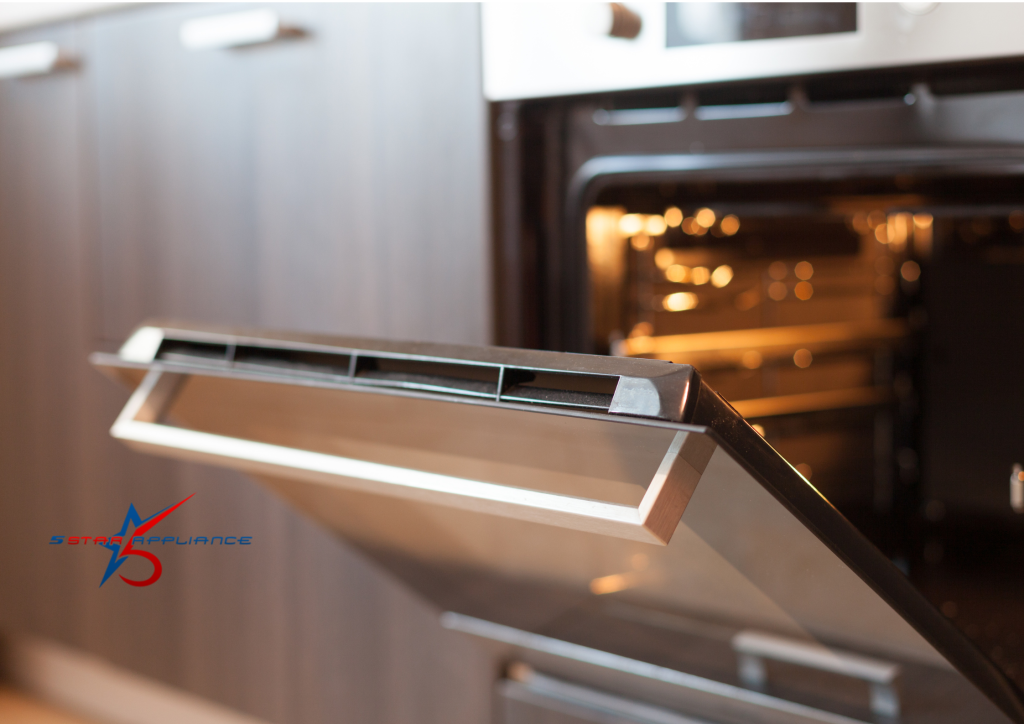
You’ve preheated your oven, slid in your dinner, and set the timer — only to pull out food that’s undercooked, unevenly baked, or still raw in the middle. If your oven isn’t heating properly, it’s not just frustrating — it can throw off your entire meal and leave you wondering what’s wrong.
The good news is that most oven heating problems have a straightforward cause and an affordable fix. In this guide, we’ll walk you through the most common reasons your oven isn’t heating properly, a simple step-by-step diagnostic process you can do at home, and what you can do to fix it — plus when it’s time to call a professional appliance repair technician.
How to Tell If Your Oven Is Not Heating Properly
Before jumping into causes and fixes, it’s important to confirm that your oven actually has a heating problem. Here are the most common signs:
- Food is consistently undercooked even when you follow the correct time and temperature
- Uneven cooking — one side of the dish is done while the other is still raw
- The oven takes much longer than usual to reach the set temperature
- The oven doesn’t reach the set temperature at all
- Baked goods come out flat or doughy despite following the recipe correctly
- The oven display shows the correct temperature but the inside feels cooler than expected
If you’re experiencing one or more of these issues, keep reading — your oven is telling you something is wrong.
Step-by-Step: How to Diagnose an Oven That Is Not Heating Properly
Before calling a technician, you can run a simple diagnostic check at home to identify where the problem is coming from. Here’s exactly how to do it:
Step 1: Check the Power Supply First
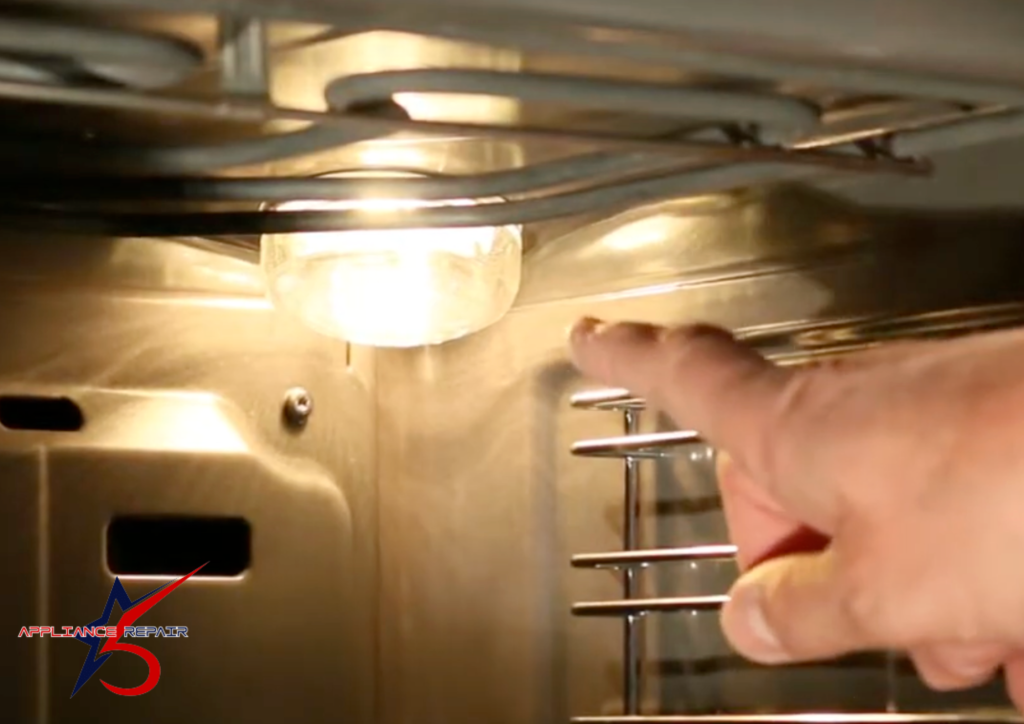
The first and simplest thing to do is turn on your oven light. This may sound too basic, but it’s an important step — if the oven light comes on, you know the appliance is receiving power and the problem is not coming from the power supply. If the light doesn’t come on, check your circuit breaker before going any further.
Step 2: Test the Fan-Assisted Cooking Function
Set your oven to fan-assisted cooking mode and let it heat up for a few minutes. Once it has had time to warm up, carefully place your hand inside the oven to check whether it is properly heating up. A working oven should feel noticeably warm within a few minutes of being turned on. If the oven feels cold or barely warm, one of the heating elements is likely the problem.
Step 3: Test Each Cooking Function Individually
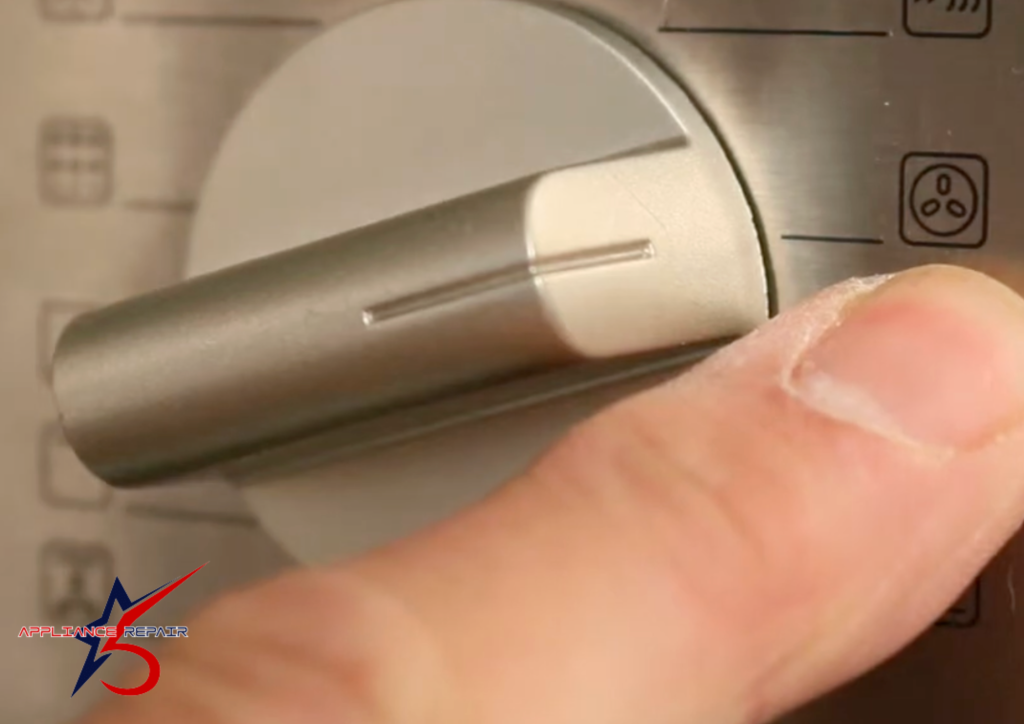
Don’t stop at fan-assisted mode. Repeat the same test using each of the following functions one at a time:
- Baking function — tests the lower heating element
- Broiler function — tests the upper heating element
- Convection cooking — tests both the fan and the heating elements together
Testing each function individually helps you pinpoint exactly which heating element or function is failing. For example, if the baking function works fine but the broiler doesn’t, you know the issue is isolated to the upper heating element.
Step 4: Inspect the Oven Fan
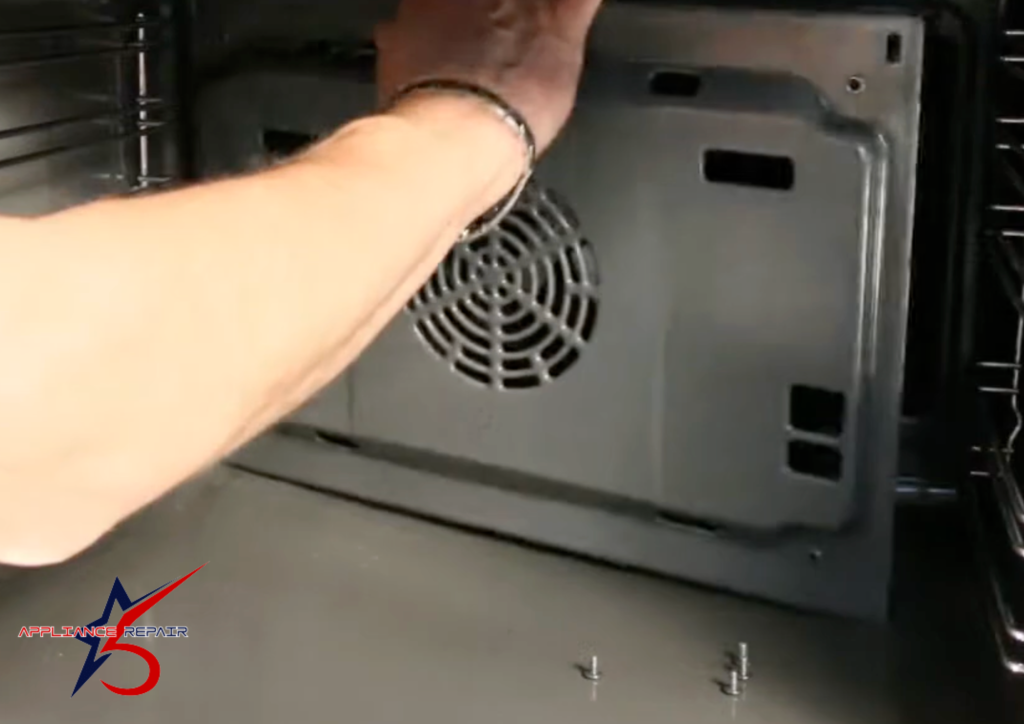
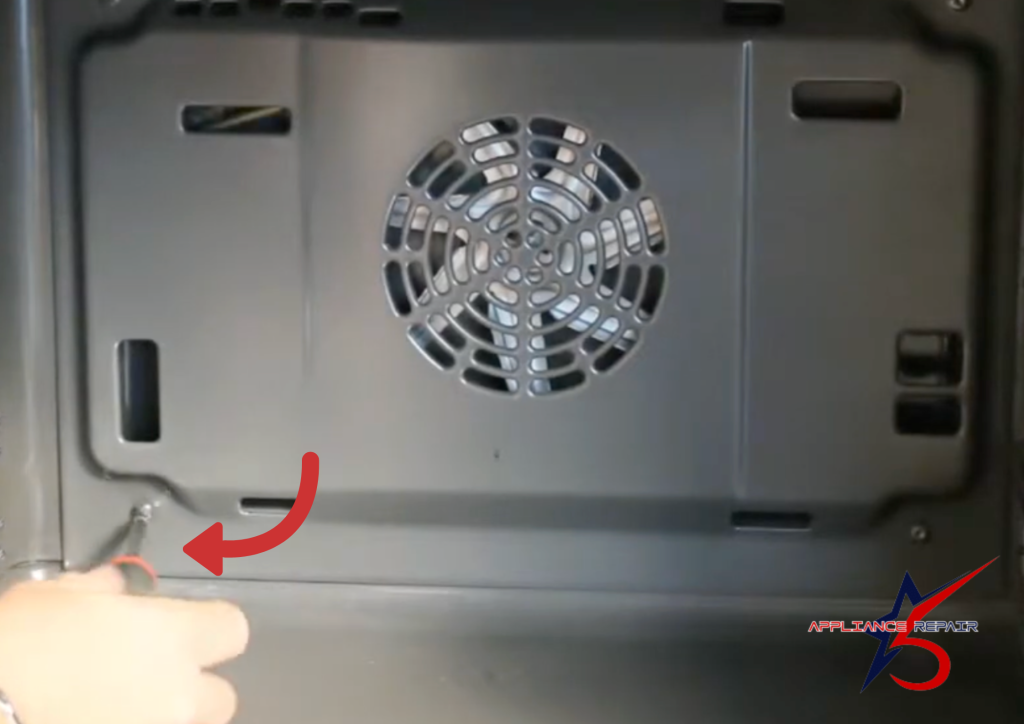
If all the heating elements appear to be in good condition but your oven is still not heating properly, the next thing to check is the oven fan. A loose or incorrectly fitted fan can significantly affect heat distribution inside the oven, leading to uneven or insufficient heating.
To check the fan, unscrew the back plate of the oven — this is the metal panel located on the interior back wall. Once removed, inspect whether the fan is tightly and correctly fitted in its housing. If the fan appears loose or misaligned, reposition it carefully and reattach the back plate securely. This simple fix can often resolve uneven heating issues without any replacement parts needed.
Step 5: Check the Electric Power Supply
If your oven fan is properly fitted and all heating elements have been tested, the final step is to check the electric power supply going to the oven. A loose connection, a faulty outlet, or a wiring issue can all cause your oven to heat inconsistently or not at all. At this stage, it is strongly recommended to call a licensed appliance repair technician — working with electrical connections inside an appliance can be dangerous without the proper training and tools.
Other Common Reasons Your Oven Is Not Heating Properly
Beyond the diagnostic steps above, here are a few additional causes of oven heating problems that every homeowner should know about:
Faulty Temperature Sensor: Your oven uses a temperature sensor to monitor and regulate its internal heat. If this sensor is damaged or touching the oven wall, it can give incorrect readings and cause inconsistent heating. Use an independent oven thermometer to verify whether your oven is reaching its set temperature accurately.
Worn Out Door Gasket: The rubber seal around your oven door keeps heat locked inside during cooking. If this gasket is cracked, hardened, or loose, heat escapes and your oven struggles to maintain the right temperature. Run your hand around the door seal when the oven is off — if it feels brittle or you notice gaps, it’s time for a replacement. Door gaskets are inexpensive at $10–$30 and easy to replace at home.
Incorrect Oven Calibration: Over time, ovens can drift from their set temperature by 25–50°F without any parts failing. If your oven thermometer shows a consistent temperature difference, check your owner’s manual — most ovens allow you to manually recalibrate the temperature through the settings menu at no cost.
Faulty Control Board: If you’ve ruled out all other causes, the oven’s control board may be sending incorrect signals to the heating elements. This is more common in older ovens and typically requires professional diagnosis and repair.
Oven Not Heating: Repair or Replace?
Once you’ve identified the problem, the big question is whether to repair or replace your oven. Here’s a simple rule of thumb US homeowners can follow:
- Repair if the fix costs less than 50% of the price of a new oven and your appliance is less than 10 years old
- Replace if your oven is over 15 years old, needs multiple repairs at once, or the repair cost is close to the price of a brand new unit
When to Call a Professional Appliance Repair Technician
While some of the fixes above are DIY-friendly, others involve electrical components that are best handled by a licensed professional. Call an appliance repair technician if:
- The oven light doesn’t turn on and the breaker keeps tripping
- You smell burning or see scorch marks inside the oven
- Testing individual functions reveals a completely dead heating element
- The fan won’t spin even after repositioning
- The electric power supply appears to be the issue
- You are unsure about any step of the diagnostic or repair process
Final Thoughts
An oven that isn’t heating properly is almost always fixable — and in many cases, the solution is simpler than you think. By following the step-by-step diagnostic process outlined above — starting with the oven light, testing each cooking function, inspecting the fan, and checking the power supply — you can quickly narrow down the cause and save yourself an unnecessary repair bill.
If your diagnostic check points to a more serious issue, don’t wait. Contact a trusted appliance repair technician in your area for a professional inspection before the problem gets worse.
FAQs
Why is my oven not reaching the set temperature?
The most common causes are a faulty heating element, a weak oven igniter in gas ovens, a miscalibrated temperature sensor, or a worn door gasket allowing heat to escape. Use an oven thermometer to verify the actual temperature inside your oven.
How do I know which heating element in my oven is bad?
Test each cooking function individually — baking, broiling, and convection. If one function works and another doesn’t, the element associated with the failing function is likely the problem.
Can a loose oven fan cause heating problems?
Yes. A loose or incorrectly fitted oven fan can disrupt heat distribution inside the oven, causing uneven or insufficient heating. Unscrew the back plate and check that the fan is tightly fitted and properly aligned.
Is it worth repairing an oven that is more than 10 years old?
If the repair costs less than 50% of the price of a new oven and the appliance is otherwise in good condition, repair is usually the better option. For ovens over 15 years old with multiple issues, replacement may be more cost-effective.
When should I call a professional for oven repair?
Call a licensed appliance repair technician if the power supply appears to be the issue, if a heating element is completely dead, if the oven fan won’t spin after repositioning, or if you are uncomfortable performing any part of the diagnostic process yourself.