
There’s nothing more frustrating than opening your dishwasher expecting clean, fresh dishes — only to be hit with an unpleasant, lingering odor. If your dishwasher smells bad, you’re not alone. It’s one of the most common appliance complaints homeowners deal with, and the good news is that in most cases it’s completely fixable.
In this guide, we’ll break down exactly why your dishwasher smells, the most common causes behind the odor, and the most effective solutions to get your dishwasher smelling fresh again — and keep it that way.
Why Does My Dishwasher Smell?
Before you can fix the problem, it helps to understand what’s actually causing it. A smelly dishwasher is almost always the result of one of these underlying issues — and in many cases, more than one is happening at the same time.
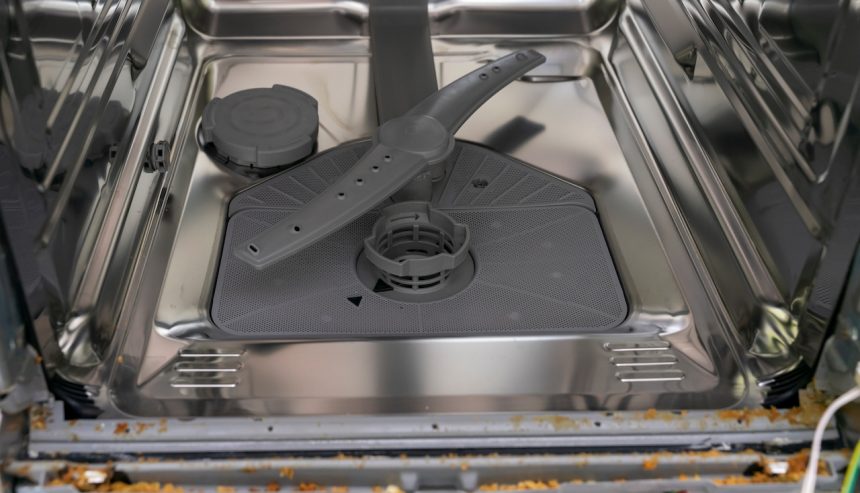
1. Food Debris Trapped in the Filter
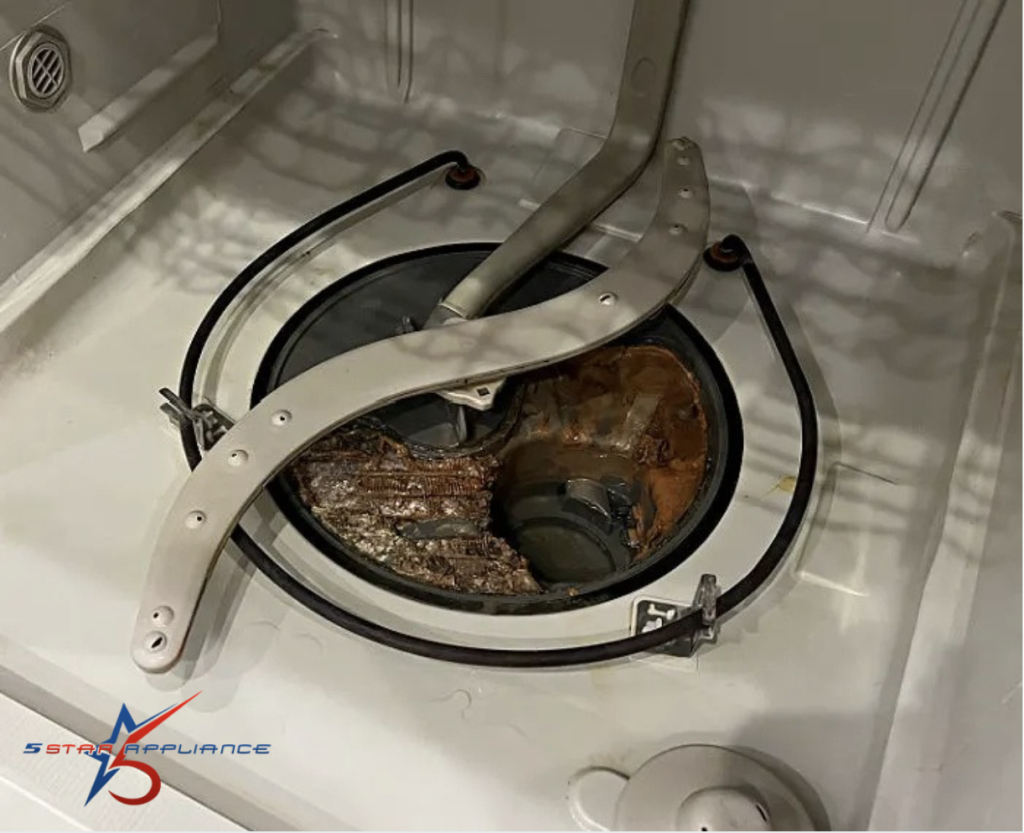
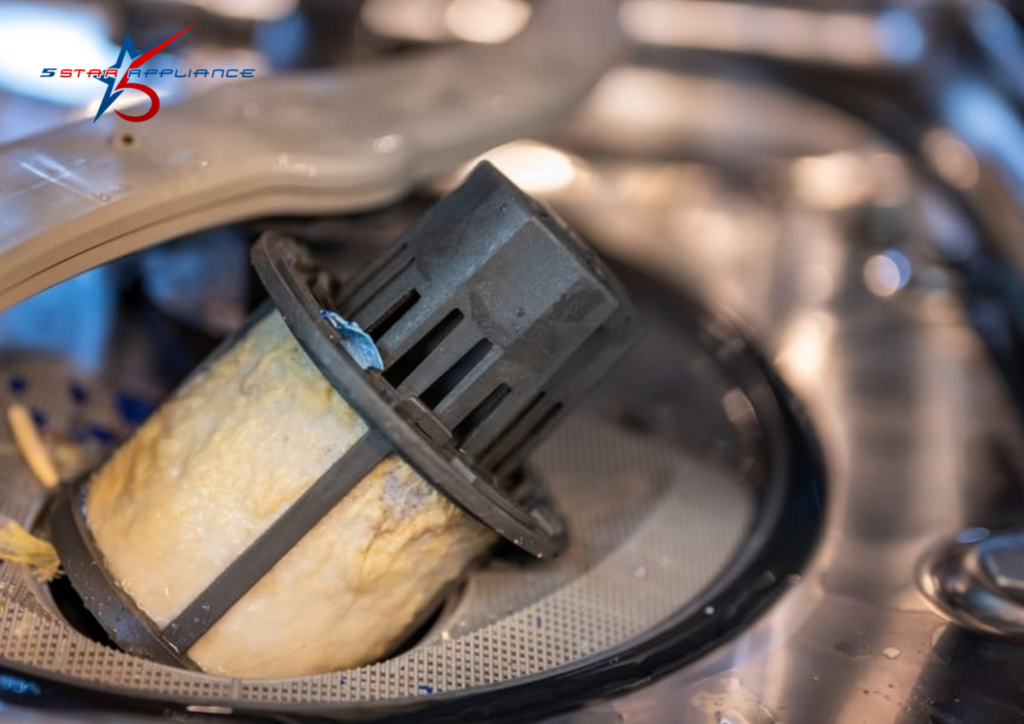
The single most common reason your dishwasher smells is a dirty or clogged filter. Most modern dishwashers have a removable filter at the bottom of the tub that catches food particles during the wash cycle. When this filter isn’t cleaned regularly, those trapped food particles begin to decompose — and that decomposition produces the foul, rotting smell that many homeowners notice coming from their dishwasher.
The fix is simple: remove the filter, rinse it under warm running water, and scrub it gently with a soft brush and dish soap. Most manufacturers recommend cleaning the dishwasher filter at least once a month, though households that run the dishwasher daily may need to clean it more frequently.
2. Standing Water at the Bottom of the Tub
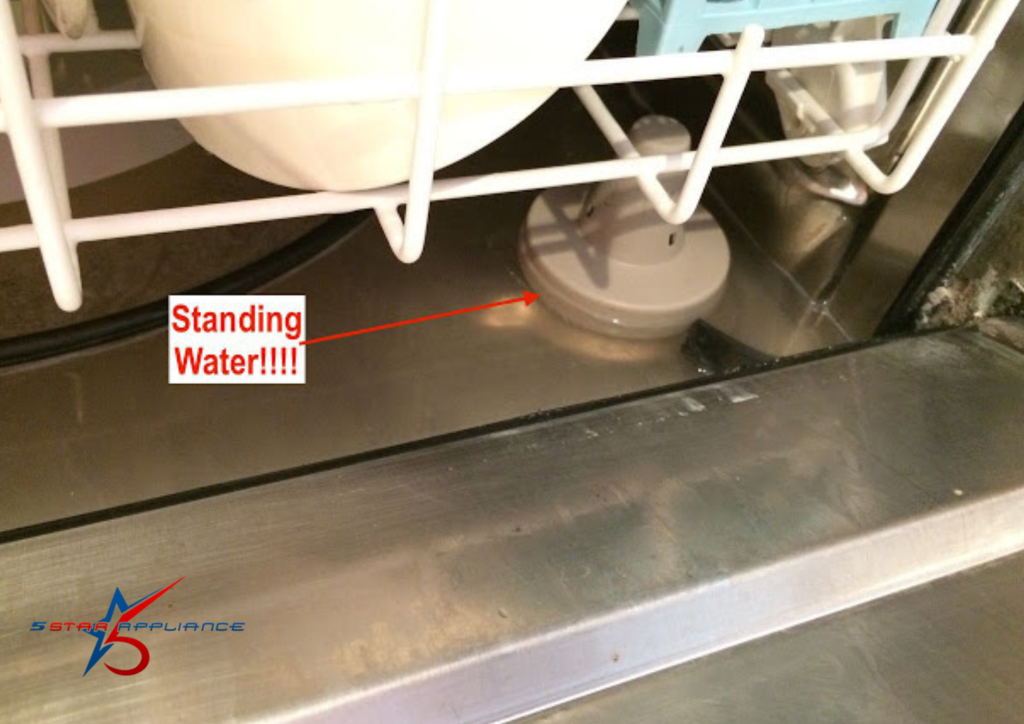
If you notice water pooling at the bottom of your dishwasher after a cycle, that’s a serious red flag. Standing water that sits in the tub between cycles becomes stagnant, and stagnant water is a breeding ground for bacteria and mold — both of which produce strong, unpleasant odors.
Standing water is usually caused by a clogged drain, a kinked drain hose, or a faulty drain pump. Checking and clearing the drain at the bottom of the tub is a good first step. If the problem persists, it’s worth calling a licensed appliance technician to inspect the drain pump and hose for damage or blockage.
3. Mold and Mildew Growth
The inside of your dishwasher is warm, dark, and frequently damp — which makes it the perfect environment for mold and mildew to thrive. Mold most commonly grows along the door gasket, in the corners of the tub, around the spray arms, and inside the filter housing. When mold is present, your dishwasher will often produce a musty, earthy smell that’s distinct from the rotting food odor of a clogged filter.
To address mold, wipe down the door gasket and interior walls with a mixture of white vinegar and water, paying close attention to the folds and crevices of the rubber seal where mold loves to hide. For more serious mold infestations, a professional appliance cleaning service may be needed.
4. Grease and Soap Scum Buildup
Over time, grease from dishes and soap residue accumulate along the interior walls, spray arms, and door of your dishwasher. This buildup doesn’t just reduce the cleaning efficiency of your machine — it also produces a stale, greasy odor that gets worse every time the dishwasher heats up during a cycle.
Running a cleaning cycle with a dishwasher cleaner tablet or a cup of white vinegar placed on the top rack can help dissolve grease and soap scum buildup. For heavy buildup, a manual wipe-down of the interior with a degreasing cleaner before running a hot cycle will give you the best results.
5. A Dirty or Blocked Spray Arm
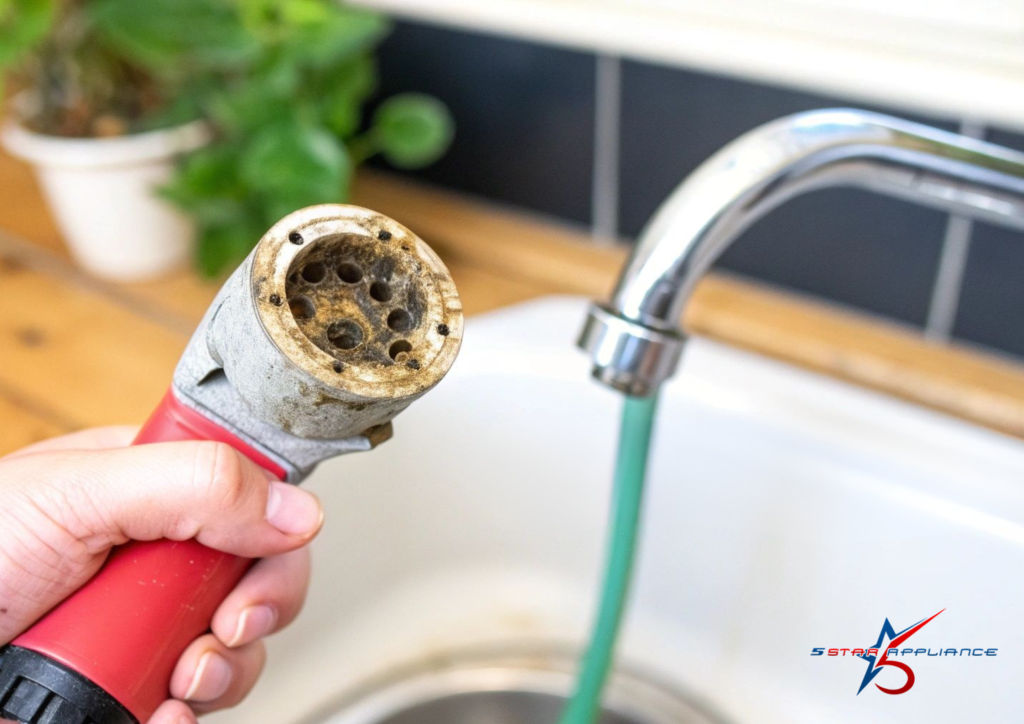
Your dishwasher’s spray arms are responsible for distributing water throughout the tub during the wash cycle. The small holes in the spray arms can become clogged with mineral deposits, food debris, and grease over time. When this happens, not only does your dishwasher lose cleaning efficiency — the trapped debris inside the spray arms begins to decompose and contribute to the overall odor problem.
Remove the spray arms and rinse them under warm water, using a toothpick or thin wire to clear any clogged holes. This simple maintenance step is often overlooked but makes a significant difference in both cleaning performance and odor control.
6. Sewer Gas Smell Coming From the Drain
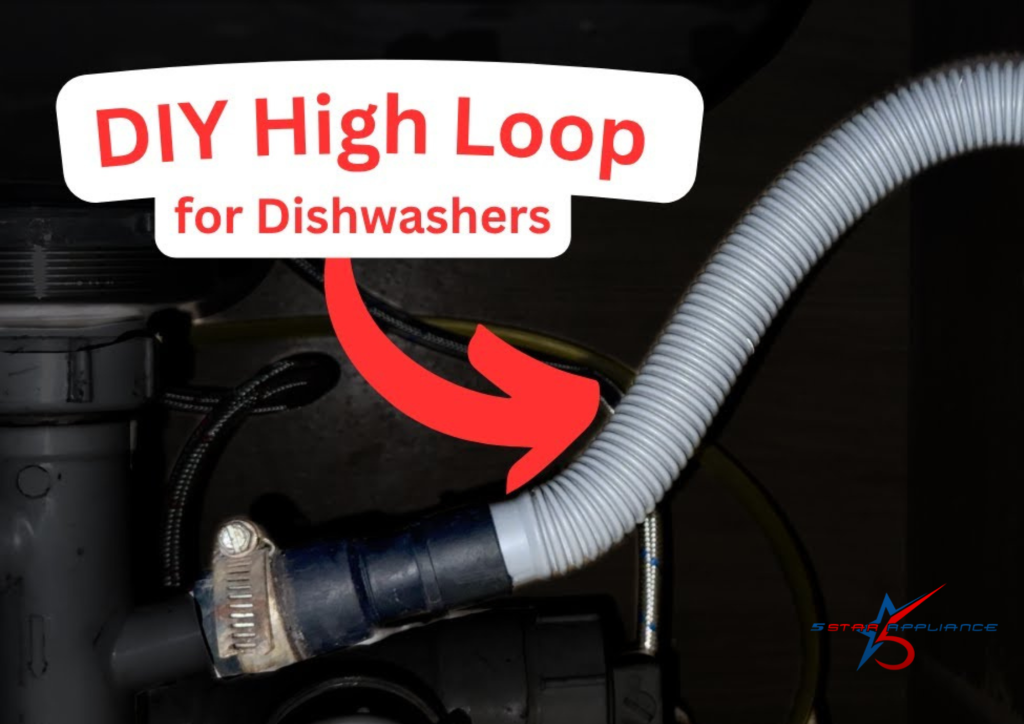
If your dishwasher smells specifically like sewage or rotten eggs rather than stale food or mildew, the problem may not be inside the dishwasher at all. A sewer gas smell is often caused by a problem with the drain connection — specifically a missing or improperly installed high loop in the drain hose, or a dry P-trap under the sink.
Without a proper high loop or air gap, sewer gases from your home’s plumbing can travel back through the drain hose and into your dishwasher. This is a plumbing issue that typically requires a licensed plumber or appliance technician to properly diagnose and fix.
7. Old or Damaged Door Gasket
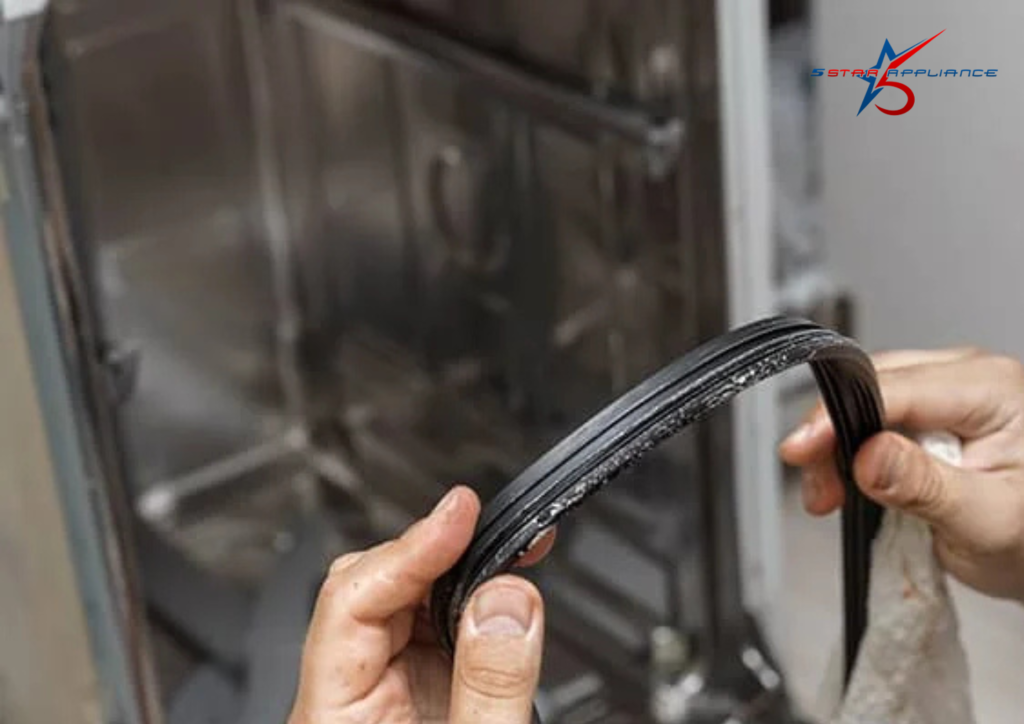
The rubber gasket that runs around the inside edge of your dishwasher door creates a watertight seal during the wash cycle. Over time this gasket collects food debris, moisture, and soap residue in its folds — creating the perfect conditions for mold, mildew, and bacteria to grow. A damaged or deteriorating gasket can also trap water and debris more easily than a healthy one.
Inspect your door gasket regularly and clean it thoroughly with a damp cloth and mild cleaner. If the gasket is cracked, torn, or visibly deteriorating, replacement is the best option — and it’s a relatively inexpensive repair that can make a dramatic difference in how your dishwasher smells and performs.
How to Deep Clean a Smelly Dishwasher Step by Step
If your dishwasher smells bad, a thorough deep clean is the fastest way to reset the situation. Here’s a simple, effective process you can follow at home:
Step 1 — Remove and clean the filter. Take out the filter at the bottom of the tub and rinse it thoroughly under warm running water. Use a soft brush and dish soap to remove any stuck-on debris.
Step 2 — Wipe down the door gasket. Use a damp cloth soaked in white vinegar to thoroughly clean the rubber door gasket, paying close attention to the folds and crevices where mold hides.
Step 3 — Clean the spray arms. Remove the spray arms and rinse them under warm water. Use a toothpick to clear any clogged holes.
Step 4 — Run a vinegar cycle. Place a dishwasher-safe bowl filled with two cups of white vinegar on the bottom rack of the empty dishwasher. Run a full hot water cycle. The vinegar will help dissolve grease, mineral deposits, and soap scum throughout the machine.
Step 5 — Run a baking soda cycle. After the vinegar cycle is complete, sprinkle one cup of baking soda along the bottom of the tub and run a short hot water cycle. Baking soda neutralizes odors and leaves the interior of your dishwasher smelling fresh and clean.
Step 6 — Wipe down the interior. Use a damp microfiber cloth to wipe down the interior walls, door, and any remaining surfaces. Pay attention to corners and crevices where buildup tends to accumulate.
When to Call a Professional
Most dishwasher smell problems can be resolved with regular cleaning and maintenance. However, there are situations where professional help is the right call:
If your dishwasher smells like sewage or burning, if standing water persists after every cycle despite clearing the drain, or if you notice visible mold that returns quickly after cleaning, it’s time to schedule a service call. A licensed appliance technician can diagnose drain pump failures, plumbing connection issues, and internal component problems that go beyond what cleaning can fix.
Ignoring persistent dishwasher odors isn’t just unpleasant — it can be a sign of a mechanical problem that will worsen over time and potentially lead to a costly repair or full replacement down the line.
FAQs
Why does my dishwasher smell even after cleaning it?
If your dishwasher still smells after cleaning, the most likely culprits are a clogged drain, mold hiding deep in the door gasket, or a sewer gas issue with the drain hose connection. A professional appliance inspection can identify the root cause.
Why does my dishwasher smell like rotten eggs?
A rotten egg smell is typically caused by sulfur-producing bacteria in standing water or food debris, or by sewer gas entering through an improperly installed drain hose. Check the filter and drain first, and if the smell persists, call a plumber or appliance technician.
Can I use bleach to clean my dishwasher?
Bleach can be effective at killing mold and bacteria, but it should never be used in dishwashers with stainless steel interiors as it can cause corrosion. White vinegar and baking soda are safer, effective alternatives for most dishwashers.
How often should I clean my dishwasher?
You should clean the filter monthly, wipe down the door gasket weekly, and run a full cleaning cycle with vinegar or a dishwasher cleaner tablet once a month. This routine prevents the majority of odor and performance issues..
Is a smelly dishwasher a health hazard?
It can be. Mold, mildew, and bacteria growing inside your dishwasher can transfer to your dishes during the wash cycle. A persistently smelly dishwasher that isn’t responding to cleaning should be inspected by a professional.