
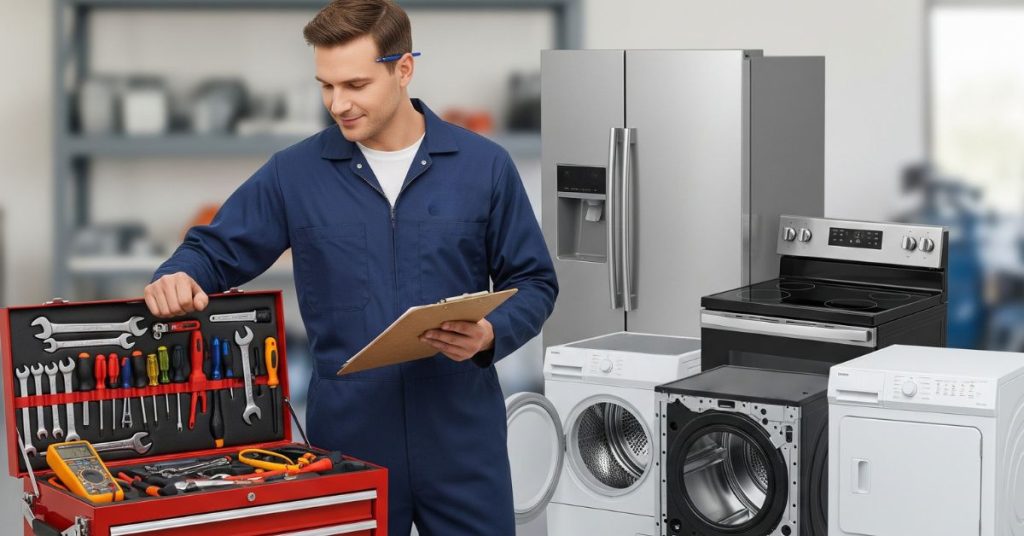
When comparing appliance repair vs maintenance for safety, regular maintenance is more effective in preventing hazards, while timely repairs address existing dangers—both are essential for ensuring a safe home environment.
Key Takeaways:
- Regular maintenance prevents safety risks.
- Repairs fix existing safety issues.
- Combining both offers maximum protection.
- Safety starts with proactive care.
Home appliances are essential for daily comfort and convenience. From the refrigerator that keeps your food fresh to the dryer that saves hours on laundry, these machines simplify life. But to ensure safe operation, you need to understand the difference between appliance repair and appliance maintenance.
Knowing when to maintain and when to repair protects your investment—and more importantly, your household’s safety.
Table of Contents
🔒 The Importance of Safety in Appliance Care
Safety should always come first with appliances like refrigerators, stoves, dryers, ovens, and dishwashers. Neglected or faulty appliances can cause:
- House fires
- Electrical shocks
- Water and gas leaks
According to the National Fire Protection Association (NFPA), clothes dryers and stoves are leading causes of residential fires—often due to poor maintenance or delayed repairs.
🛠️ Understanding Appliance Maintenance
Appliance maintenance involves routine care and inspections that help prevent major problems. Think of it as preventative medicine for your household devices. Maintenance ensures optimal performance, energy efficiency, and most importantly, safety.
Benefits of Appliance Maintenance
- Reduces fire risks: Cleaning dryer vents and oven interiors removes flammable buildup, significantly lowering the risk of dangerous household fires.
- Improves energy efficiency: Regular maintenance ensures appliances run efficiently, reducing energy use and saving money on your electricity and gas bills.
- Prevents water damage: Regular dishwasher inspections help detect hose cracks or leaks early, avoiding costly water damage and mold in your kitchen.
- Extends appliance lifespan: Simple upkeep prevents wear and tear, helping your appliances run longer and minimizing the need for expensive replacements.
Examples of Regular Appliance Maintenance
- Fridge: Clean condenser coils, inspect door seals for tightness, and defrost regularly to maintain energy efficiency and prevent cooling issues.
- Stove/Oven: Wipe down burners, check gas connections for leaks, and remove grease buildup to ensure safe, efficient cooking performance.
- Dryer: Clear lint traps after every load and clean vent ducts routinely to prevent fire hazards and maintain efficient drying performance.
- Dishwasher: Remove and clean filters, check hoses for leaks or cracks, and descale to keep your dishwasher running smoothly and hygienically.
⚙️ Understanding Appliance Repair
Appliance repair refers to fixing an appliance when it malfunctions, breaks down, or becomes unsafe to use. Unlike maintenance, which prevents problems, repair deals with existing issues that could compromise safety or performance.
When Repairs Are Critical
- Fridges: A broken thermostat can lead to spoiled food and possible foodborne illnesses.
- Stoves/Ovens: Gas leaks or faulty heating elements can cause fire or carbon monoxide poisoning.
- Dryers: A malfunctioning motor or broken belt can overheat, creating a fire hazard.
- Dishwashers: Electrical faults or leaking hoses can damage flooring and cause shocks.
Timely appliance repair is essential to restore safe operation. Ignoring issues can escalate small faults into dangerous and costly emergencies.
📊 Appliance Repair vs Maintenance: Key Safety Differences
Aspect | Appliance Maintenance | Appliance Repair |
Goal | Prevent problems and hazards | Fix existing malfunctions |
Timing | Regular schedule (monthly, quarterly, annually) | As needed when issues occur |
Safety Impact | Reduces risks before they arise | Restores safe operation after failure |
Cost | Low ongoing cost | Higher one-time expense |
Appliance Health | Extends lifespan | Restores functionality |
Both play a vital role in keeping households safe. Maintenance is proactive, while repair is reactive. Together, they provide complete safety coverage.
Why Appliance Maintenance Often Keeps You Safer
While both maintenance and repair are crucial, maintenance often provides greater long-term safety benefits. By preventing fires, leaks, and breakdowns before they happen, homeowners reduce their risk of sudden emergencies.
For example:
- A clogged dryer vent can ignite lint and start a fire. Regular cleaning prevents this hazard.
- A loose stove gas line can leak undetected. Routine inspections help identify issues early.
- A dirty fridge coil forces the compressor to overwork, which can lead to overheating and fire.
👉 Want a full guide? Check out our Ultimate Appliance Maintenance Checklist.
🚨 When to Prioritize Appliance Repair Over Maintenance
Although maintenance is powerful, appliance repair becomes the priority when appliances show signs of danger or malfunction. Homeowners should never delay repairs if they notice:
- Burning smells from dryers, ovens, or dishwashers.
- Unusual noises from fridges or dryers.
- Gas smells near stoves or ovens.
- Water pooling near dishwashers or refrigerators.
- Frequent tripping of circuit breakers when appliances run.
In these cases, immediate appliance repair ensures safety and prevents further damage.
💰 Cost Comparison: Repair vs Maintenance

Many homeowners wonder whether investing in regular maintenance is worth the cost. Consider this:
- A simple dryer vent cleaning costs less than $150, while a house fire caused by neglect can cost thousands in damages.
- Replacing a fridge compressor may cost $500–$800, but keeping condenser coils clean with regular maintenance prevents premature failure.
- Dishwasher hose replacement is cheap, but water damage restoration can cost several thousand dollars.
Preventative maintenance saves money and enhances safety, while repair addresses unavoidable breakdowns. A balanced approach provides the best protection.
Fridge Safety: Maintenance vs Repair
- Maintenance: Regularly clean condenser coils to ensure efficient cooling and prevent overheating. Check door gaskets for proper sealing to keep temperatures consistent and avoid spoilage. Defrost when needed to prevent ice buildup that can strain the motor.
- Repair: Address issues like broken thermostats, malfunctioning fans, or faulty wiring immediately. These problems can cause inconsistent temperatures, spoil food, or even start electrical fires if ignored, putting your safety and appliances at serious risk.
Stove and Oven Safety: Maintenance vs Repair
- Maintenance: Keep burners and oven interiors clean to prevent grease fires. Regularly inspect for grease buildup and ensure all knobs and gas connections are functioning correctly. A clean, well-maintained stove ensures efficient cooking and safety.
- Repair: Fix broken igniters, malfunctioning heating elements, or gas leaks without delay. Ignoring these can lead to gas buildup, fire hazards, or even explosions. Timely repair keeps the appliance safe, functional, and prevents dangerous accidents in your kitchen.
Dryer Safety: Maintenance vs Repair
- Maintenance: Always clean the lint trap after every use and clean the dryer vents every three months. Lint buildup is a leading cause of house fires, so regular maintenance drastically reduces this risk while improving efficiency.
- Repair: If the dryer overheats, has a broken belt, or a faulty thermostat, repair it immediately. These issues can lead to fires or total appliance failure. Ignoring signs like unusual noise or heat may lead to costly damages and hazards.
Dishwasher Safety: Maintenance vs Repair
- Maintenance: Clean the dishwasher filter regularly to prevent food buildup, which can cause odors and drainage issues. Inspect hoses for cracks or leaks to avoid water damage. This routine care keeps the appliance efficient and safe.
- Repair: Fix wiring problems, broken pumps, or persistent leaks as soon as they’re noticed. Electrical issues can cause shocks or short circuits, and leaks may damage flooring or cabinetry. Timely repairs ensure safety and extend your dishwasher’s lifespan.
✅ Balancing Repair and Maintenance for Maximum Safety
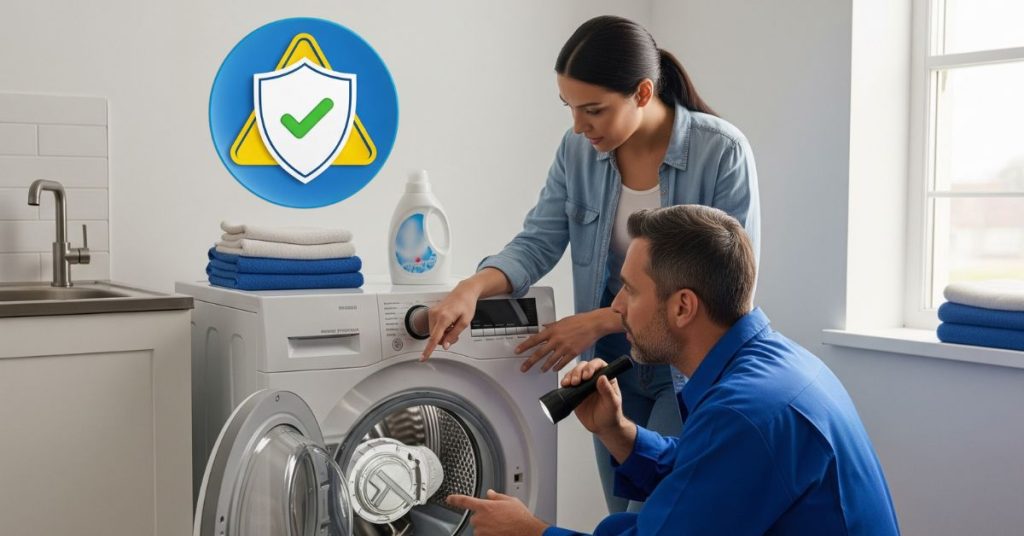
The safest approach is not choosing one over the other but combining both strategies. Routine maintenance helps prevent potential hazards by identifying and addressing small issues before they become serious problems. Timely repairs, on the other hand, restore appliances to safe working conditions as soon as faults occur. Together, these strategies reduce risks and extend the lifespan of your appliances.
👨🔧 Who Should You Call for Expert Appliance Services?
For reliable and safe appliance care, it’s best to trust experienced professionals. Whether you need refrigerator repair, stove maintenance, or other appliance services, calling a reputable service provider ensures proper diagnosis and quality workmanship. Consider 5 Star Appliance Repair for:
- Expert technicians skilled in all major appliances
- Prompt and affordable service
- Safety-first approach to repairs and maintenance
Don’t risk DIY mistakes—contact us to keep your home safe and your appliances running smoothly.
Conclusion
When comparing appliance repair vs maintenance, the question of safety isn’t about choosing one over the other—it’s about knowing when each is required. Regular maintenance helps prevent dangerous issues before they occur, while prompt repairs address active safety hazards that could escalate if ignored.
Together, they form a complete strategy for protecting your home, your appliances, and your family. By staying proactive with maintenance and responsive with repairs, you create a safer, more efficient living environment—and avoid costly emergencies down the line. Safety starts with smart, timely care.
FAQs
How often should I perform appliance maintenance?
Most appliances benefit from monthly to quarterly maintenance, depending on usage. For example, dryer vents should be cleaned every 3 months, while fridge coils can be cleaned twice a year.
Is maintenance really necessary if my appliances are working fine?
Yes, regular maintenance helps prevent hidden issues that can lead to serious malfunctions or safety risks. Just because an appliance seems fine doesn’t mean it’s operating efficiently or safely.
When should I call a professional for appliance repair?
Call a professional if you notice unusual noises, burning smells, gas odors, or leaks from any appliance. Delaying repair can make the issue worse and increase safety risks.
Can I do appliance maintenance myself or should I hire someone?
Basic maintenance like cleaning filters or checking seals can be done yourself with proper guidance. However, tasks involving electrical, gas, or internal components are best handled by professionals.
Which is more cost-effective: maintenance or repair?
Maintenance is typically low-cost and prevents expensive repairs or replacements. Regular upkeep saves money over time by avoiding major failures and safety hazards.