

After a flood, your home isn’t the only thing that needs urgent attention—your appliances, especially the refrigerator, could be silently suffering too. Water damage can wreak havoc on its critical components, putting your food and your family’s safety at risk. That’s where the importance of flood damaged refrigerator repair comes in. Whether it’s electrical issues or compromised insulation, knowing the right steps for restoring a flood-damaged refrigerator can save you from costly replacements and prevent future headaches. Here’s how to bring your fridge back to life and regain its cooling efficiency.
Table of Contents
Understanding Flood Damage to Refrigerators
Flood damage to refrigerators goes beyond surface issues. Floodwaters often carry debris, bacteria, and corrosive chemicals that penetrate deep into the appliance. These contaminants can reach critical components like the compressor, condenser coils, insulation, and control boards. As a result, your refrigerator may face electrical hazards, short circuits, or corrosion. Over time, this damage compromises cooling performance, increases energy use, and can lead to total appliance failure if not promptly inspected and repaired.
Step 1: Ensure Safety Before Inspection
Before attempting any repairs, disconnect the refrigerator from the power source. Floodwater exposure increases the risk of electrical shock. Wear protective gloves and ensure the appliance is placed in a dry, ventilated area. If the refrigerator has been submerged even partially, avoid powering it on until a qualified technician has inspected it.
Step 2: Assess Visible and Hidden Damage
Start with a thorough visual inspection:
- Exterior Damage: Look for watermarks, rust, or corrosion around the casing and door seals.
- Interior Components: Check shelves, drawers, and gaskets for water infiltration.
- Electrical System: Examine the power cord, control panel, and wiring for signs of moisture or short circuits.
- Mechanical Components: Inspect the compressor and condenser fan for mud, debris, or corrosion.
Hidden damage in the insulation or sealed systems often requires professional tools for accurate assessment.
Step 3: Clean and Disinfect the Appliance
Floodwaters carry bacteria, mold, and contaminants that can settle inside your refrigerator. To clean effectively:
- Remove all shelves, drawers, and removable parts.
- Wash components with hot, soapy water and disinfect with a bleach solution (1 tablespoon bleach per gallon of water).
- Clean the refrigerator’s interior walls and door gaskets thoroughly.
- Allow all parts to air dry completely before reassembly.
This step is vital to prevent odors and potential health hazards from lingering bacteria.
Step 4: Dry Internal Components Completely
Moisture trapped in the electrical system can cause shorts or corrosion. Use the following techniques:
- Place the refrigerator in a dry, warm room for 24–48 hours. This allows residual moisture to evaporate naturally.
- Use a dehumidifier or fan to speed up drying by improving air circulation and reducing humidity.
- Avoid using direct heat sources, such as hair dryers or heaters, which can warp plastic components and damage sensitive internal parts.
Complete drying is essential for safe operation.
Step 5: Test Electrical and Mechanical Systems
After the unit is fully dry:
- Reinsert all drawers and shelves.
- Plug in the unit or switch it back on.
- Allow it to reach optimal cooling temperatures (37°F for the fridge, 0°F for the freezer).
- Restock food items once internal temps stabilize (usually after 1–2 hours).
Step 6: Repair or Replace Damaged Parts
Depending on the severity of damage, certain components may require replacement:
- Door Seals: Replace if they no longer create an airtight seal.
- Control Boards and Wiring: Swap out corroded or non-functional electronics.
- Fan Motors and Compressors: Replace if they fail performance testing.
- Insulation: Severe waterlogging in insulation often requires professional refurbishment or replacement of the appliance.
Step 7: Restore Cooling Efficiency
After repairs, monitor your refrigerator’s performance:
- Check that the temperature maintains at 37°F (3°C) in the fridge compartment and 0°F (-18°C) in the freezer.
- Listen for unusual noises or prolonged compressor cycles, which may indicate lingering issues.
- Keep a thermometer inside for the first week to verify consistent cooling.
When to Consider Professional Help
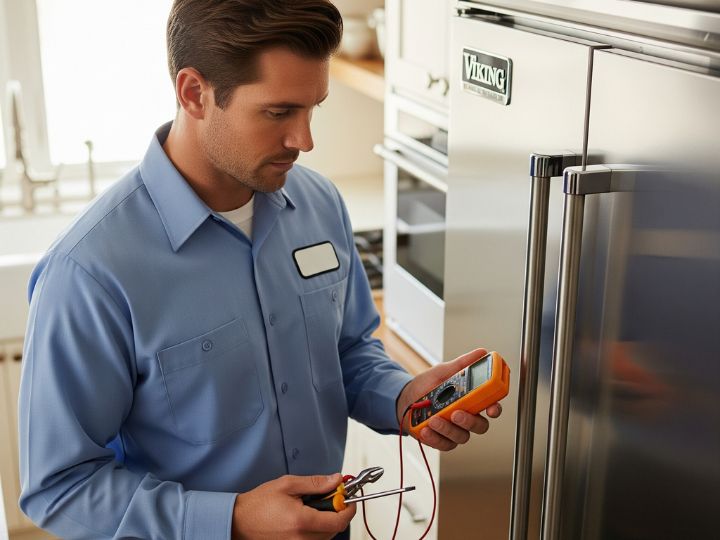
When your home experiences flood damage, it’s crucial to know when to call in the experts. Minor clean-ups, like wiping down surfaces, may be manageable, but appliances exposed to floodwater often suffer hidden damage. Water can seep into electrical components, causing short circuits, corrosion, or even dangerous malfunctions. Attempting to use these appliances without proper inspection can put your family at risk.
To ensure your refrigerator and other appliances are safe and working efficiently, rely on licensed technicians from 5 Star Appliance Repair. Our expertise and advanced tools guarantee thorough assessments and reliable appliance repair services. Don’t risk costly damage or safety hazards—contact us today!
Preventive Measures for Future Floods
Protect your appliances from future flooding by:
- Elevating refrigerators in flood-prone areas.
- Installing water alarms to detect leaks early.
- Investing in flood barriers or drainage solutions around your home.
Taking proactive steps helps minimize appliance damage during unforeseen events.
Conclusion: Act Quickly to Save Your Refrigerator
Time is critical when it comes to dealing with a flood-damaged refrigerator. Acting fast can make the difference between a simple repair and a complete appliance replacement. Don’t let hidden water damage compromise your fridge’s cooling efficiency or your family’s safety. By following the right restoration steps, you’ll protect your investment and avoid unnecessary costs.
For peace of mind, trust the experts at 5 Star Appliance Repair to handle the heavy lifting. Our certified technicians provide thorough inspections and reliable refrigerator repair services to get your appliance running like new. Contact us today and let us help you restore your home’s comfort and safety!
FAQs
Can I use my refrigerator immediately after a flood?
No, never plug in your refrigerator immediately after flood exposure as it poses a risk of electrical shock or further damage. Always have it inspected and tested by a professional before use.
What parts of a refrigerator are most vulnerable to flood damage?
Critical components like the compressor, control boards, wiring, and insulation are highly susceptible to water damage. Floodwaters often carry contaminants that corrode these parts quickly.
How can I tell if my refrigerator’s insulation is waterlogged?
Waterlogged insulation often leads to lingering odors and poor cooling performance. A technician can confirm this using specialized tools during a sealed system inspection.
Is it worth repairing a flood-damaged refrigerator?
It depends on the severity of the damage and the appliance’s age. Minor issues like door seal replacement are worth fixing, but extensive electrical or insulation damage may require replacement.
How can I protect my refrigerator from future flooding?
You can elevate the appliance in flood-prone areas and install water alarms to catch leaks early. Adding barriers or improving drainage around your home also reduces flood risk.