
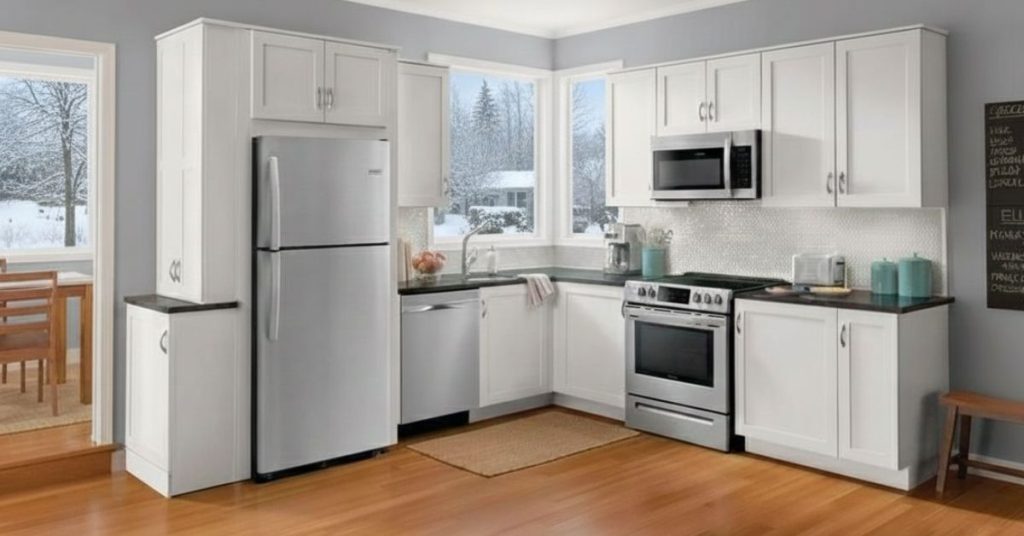
Understanding how cold weather affects refrigerator efficiency helps prevent overcooling or frost buildup. Low outdoor temperatures can cause the fridge to run less frequently, potentially freezing contents in the freezer or triggering uneven cooling in the refrigerator.
Key Takeaways:
- Cold temperatures can reduce compressor activity.
- Risk of freezer overfreezing increases.
- Uneven cooling may occur in fridge compartments.
- Proper placement and insulation help maintain efficiency.
Maintaining optimal refrigerator performance during the winter months is essential for food safety, energy efficiency, and long-term appliance health. At 5 Star Appliance Repair, we understand how cold weather can influence your unit’s internal components, thermostat behavior, and overall system efficiency. This comprehensive guide explores how winter temperatures affect your refrigerator and what steps you can take to ensure reliable performance throughout the season.
Table of Contents
Understanding How Cold Weather Affects Refrigerator Operation
Refrigerators are designed to operate within a specific ambient temperature range. When the surrounding temperature drops too low, the appliance may struggle to regulate internal cooling cycles. Cold air in the environment can cause the compressor to run less frequently or even shut off, leading to unexpected temperature inconsistencies.
In unheated areas—such as garages, basements, porches, and outdoor utility spaces—these issues become even more prominent. Without stable surrounding temperatures, the refrigerator adapts incorrectly, often resulting in food spoilage, frozen beverages, and mechanical strain.
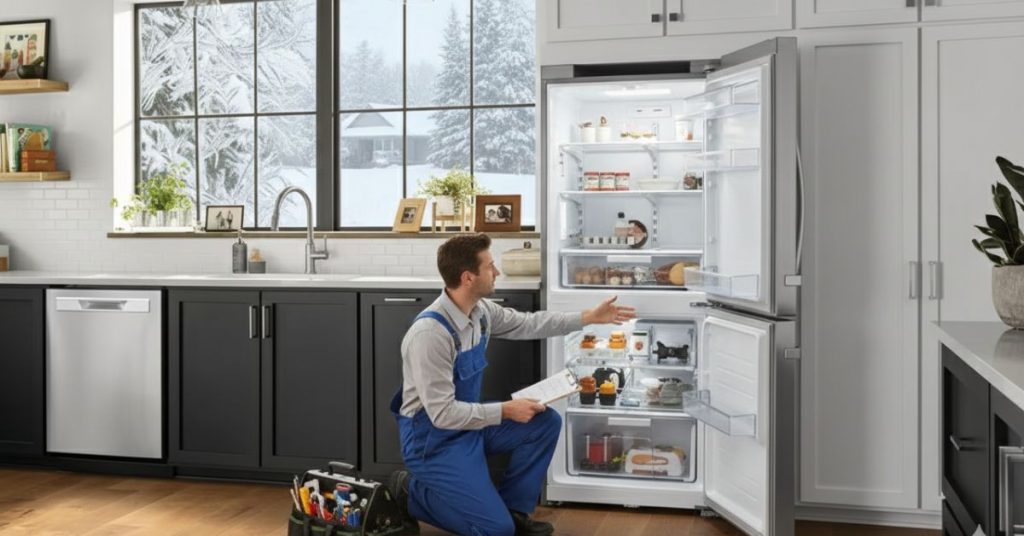
Why Refrigerator Efficiency Drops in Low Temperatures
1. Compressor Function Disruption
The compressor is the core component responsible for maintaining the refrigerator’s cooling cycle. In cold environments, the thermostat may detect cooler ambient air and incorrectly assume that the interior is sufficiently chilled. This causes the compressor to:
- Run shorter cycles
- Operate infrequently or not at all
- Allow internal temperatures to rise above safe food-storage levels
This is especially problematic for top-freezer models, where the freezer’s cooling relies on the refrigerator compartment’s temperature cues.
2. Freezer Temperature Fluctuations
During cold weather, freezers can become too cold. When the compressor stops running, the freezer can drop dramatically below optimal levels. This may lead to:
- Overfreezing of food
- Excessive frost buildup
- Increased risk of freezer burn
- Sensor malfunctions due to extreme temperatures
These fluctuations can make it harder for your unit to maintain stable cooling performance throughout the season.
3. Oil Thickening in the Compressor
Cold temperatures can cause the lubricant inside the compressor to thicken. When this occurs, the motor must work harder to distribute the oil and maintain normal operation. Over time, this strain may reduce the compressor’s lifespan and compromise the refrigerator’s overall efficiency.
Indicators of oil thickening include:
- Louder start-up noises
- Increased vibrations
- Delayed compressor activation
If ignored, this issue may lead to long-term mechanical damage requiring professional service.
Common Winter Refrigerator Problems
Temperature Inconsistency
In winter, refrigerators may struggle to accurately gauge internal temperature because the surrounding cold air confuses the thermostat. This can result in fresh food compartments becoming warmer than intended, putting perishable items like dairy, meat, and vegetables at risk of spoilage.
For guidance on safe refrigerator temperatures, see the USDA’s refrigeration guidelines.
Frozen Fresh Food Items
When the compressor cycles improperly in cold conditions, cold air from the freezer may flow into the refrigerator section. This unexpected chilling can freeze fruits, vegetables, drinks, and other fresh items, damaging texture, taste, and overall quality, even if the freezer itself is functioning normally.
Condensation and Moisture Buildup
Cold weather can cause condensation to form inside the refrigerator, leading to:
- Mold growth
- Unpleasant odors
- Excess moisture on shelves and drawers
Moisture issues can compromise food quality and create long-term sanitation concerns.
Reduced Energy Efficiency
Although it may seem that cold weather reduces energy use, the inconsistent compressor cycles actually force the refrigerator to operate inefficiently, leading to:
- Higher utility costs
- Increased wear on electrical components
- Potential system malfunctions
For tips on energy-efficient refrigerator operation, visit ENERGY STAR’s refrigerator guide.
Best Practices to Maintain Refrigerator Efficiency in Winter
1. Keep the Appliance Indoors or in a Heated Space
Refrigerators perform optimally in stable, moderate temperatures. Placing them in unheated garages, patios, or sheds exposes them to extreme cold, causing irregular cycling, inefficient cooling, and potential damage. Keeping units indoors or in a heated area preserves performance and prolongs appliance life.
2. Monitor Temperature Settings Regularly
Winter fluctuations can make thermostats less reliable. Regular checks help keep your appliance performing safely and efficiently:
- Ensure the refrigerator stays between 37°F–40°F
- Keep the freezer at 0°F
- Use a digital thermometer to confirm accuracy
- Prevent spoilage, overcooling, or freezing of fresh items
- Maintain safe storage conditions for all foods
3. Avoid Overloading the Unit
Overfilling the refrigerator obstructs airflow, forcing the compressor to work harder, especially in cold weather. Restricted circulation causes uneven cooling, temperature spikes, and frozen spots. Maintaining proper spacing between items allows consistent airflow, ensuring all compartments stay at safe, appropriate temperatures.
4. Consider a Garage-Ready Refrigerator
For units in cold environments, garage-ready models are designed for extreme temperatures. They feature specialized compressors and thermostats that adapt to winter conditions, preventing overcooling, frozen fresh foods, and inefficient operation. Choosing this type ensures reliable performance even in unheated or drafty spaces.
5. Provide Supplemental Heat if Needed
If the ambient temperature is too low, adding a small space heater set to low stabilizes the surrounding air. This helps the thermostat sense the correct temperature, ensuring the compressor cycles properly, keeping food fresh, and preventing freezing or inconsistent cooling inside the refrigerator.
6. Keep the Coils Clean
Regular coil maintenance ensures your appliance runs efficiently and reliably. Dusty or dirty condenser coils can force the compressor to overwork, worsening winter efficiency issues. Cleaning coils at least twice a year helps:
- Improve energy efficiency
- Enhance cooling performance
- Maintain stable internal temperatures
- Reduce wear on mechanical components
- Increase overall appliance reliability
7. Perform Regular Refrigerator Gasket Maintenance Winter
Seals and gaskets can contract or crack in cold weather, reducing efficiency. Inspecting and maintaining gaskets ensures a proper seal, prevents frost buildup, and keeps your refrigerator running optimally.
8. Schedule Professional Winter Maintenance
Routine refrigerator inspections ensure that:
- Refrigerant levels are adequate
- Thermostats function correctly
- Coils and fans operate efficiently
- No unusual wear exists on the compressor
By scheduling professional refrigerator services, technicians can identify winter-specific issues early, preventing expensive refrigerator repairs.
Benefits of Proper Winter Refrigerator Maintenance
Taking proactive steps to maintain your refrigerator in cold weather yields several long-term benefits:
Extended Appliance Lifespan
Stable operation reduces mechanical stress, allowing components like the compressor and thermostat to last longer.
Improved Food Safety
A well-maintained unit preserves temperature consistency, protecting food from spoilage and contamination.
Lower Energy Bills
Efficient operation reduces unnecessary energy consumption and improves overall performance.
Enhanced Reliability
Minimizing temperature fluctuations helps your refrigerator run smoothly throughout the season, avoiding unexpected breakdowns.
When to Call 5 Star Appliance Repair

Contact a professional if you notice:
- Food spoiling faster than usual
- Fresh items freezing in the refrigerator compartment
- Excessive frost in the freezer
- Odd noises or vibrations
- Inconsistent cooling cycles
- Compressor running too long or not at all
At 5 Star Appliance Repair, we are your go-to local appliance repair service in Los Angeles and San Francisco, specializing in winter-specific performance issues for all refrigerator models. Our skilled technicians provide reliable diagnostics, thorough system maintenance, and expert refrigerator repair solutions tailored to your appliance needs.
Final Thoughts
Cold weather can significantly affect your refrigerator’s performance, causing uneven cooling, frozen fresh foods, and increased mechanical strain. Understanding how winter temperatures impact your appliance allows you to take proactive steps, such as proper placement, temperature monitoring, and regular maintenance, to keep it running efficiently throughout the season.
With the right care and professional appliance service, you can protect food safety, reduce energy costs, and extend the lifespan of your refrigerator. Don’t wait for winter issues to worsen—book now with 5 Star Appliance Repair to ensure reliable performance all season long.
FAQs
Why does my refrigerator run less frequently in winter?
Cold ambient temperatures can confuse the thermostat, making it think the interior is already cold enough. This causes the compressor to cycle less often, which may lead to uneven cooling or even frozen fresh foods.
How can I prevent my freezer from overfreezing during winter?
Ensure the freezer is set to 0°F and avoid placing it in extremely cold unheated areas. Regularly monitor temperatures and consider using a garage-ready refrigerator if the unit is in a cold space.
Is it safe to keep a refrigerator in an unheated garage during winter?
Standard refrigerators may struggle in extremely low temperatures, causing inconsistent cooling or mechanical strain. Using a garage-ready model or providing supplemental heat can help maintain proper performance.
How often should I clean the refrigerator coils in winter?
Coils should be cleaned at least twice a year, with winter being an ideal time to prevent efficiency issues. Clean coils improve airflow, reduce energy consumption, and maintain consistent cooling.
When should I call a professional for appliance service in cold weather?
Contact a technician if you notice odd noises, frost buildup, frozen fresh foods, or inconsistent temperatures. Professional appliance service ensures safe, reliable operation and prevents long-term damage to your refrigerator.