

When investing in a premium appliance like a Viking refrigerator, longevity is one of the key concerns homeowners face. Known for their professional-grade craftsmanship, exceptional cooling technology, and sleek design, Viking refrigerators are widely regarded as some of the most durable units on the market. But how long does a Viking fridge last? Let’s dive into the specifics of Viking refrigerator lifespan, maintenance practices, common problems, and how to maximize the value of your investment.
Table of Contents
Expected Lifespan of Viking Refrigerators
Viking refrigerators are built to last between 15 to 20 years, depending on usage habits, environmental factors, and maintenance routines. Compared to the average refrigerator lifespan of 10 to 13 years, Viking units offer superior durability due to premium components, robust engineering, and high-end materials.
With proper care and regular servicing, it’s not uncommon for Viking refrigerators to continue performing efficiently even past the 20-year mark. Homeowners who prioritize upkeep are often rewarded with exceptional long-term performance.
What Makes Viking Refrigerators Last So Long?
Several distinct features contribute to the extended lifespan of Viking refrigerators:
1. High-Quality Construction
Viking uses commercial-grade stainless steel, heavy-duty hinges, and precision-sealed gaskets that can withstand the test of time. Unlike cheaper models, these appliances don’t suffer early breakdowns due to poor materials.
2. Advanced Cooling Technology
Viking refrigerators come equipped with multi-zone temperature management systems, vacuum insulation panels, and proprietary airflow systems that maintain consistent cooling while reducing compressor strain.
3. Professional Engineering
Viking appliances are designed for performance similar to restaurant-grade equipment. The compressors, thermostats, and evaporator systems are engineered to handle frequent use in high-demand kitchens.
How Usage Impacts Longevity
While the hardware is built for durability, usage patterns can greatly affect how long a Viking refrigerator will last. Households that:
- Frequently overload shelves
- Block air vents
- Leave doors open too long
- Adjust temperatures frequently
…may inadvertently reduce the unit’s lifespan. Overworking the compressor can lead to premature failure. Educating users on best practices is vital to longevity.
Routine Maintenance Tips to Extend Lifespan
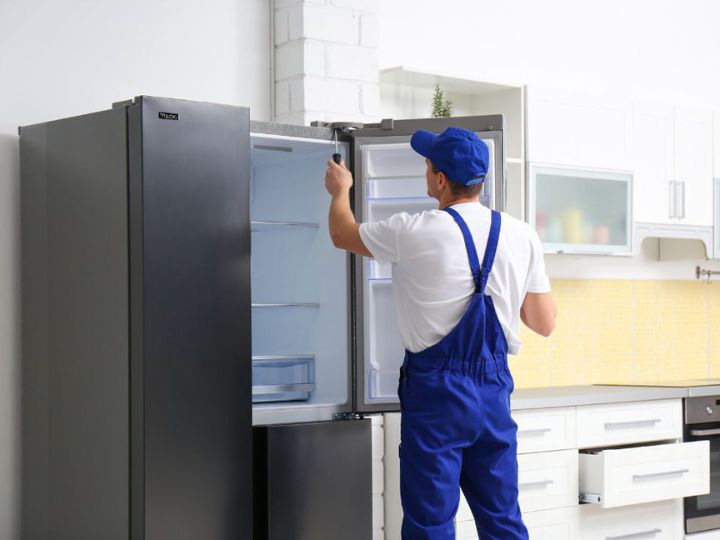
Preventive maintenance plays a major role in determining how long your Viking refrigerator will last. We recommend the following best practices:
1. Clean the Condenser Coils Regularly
Dust and grime build-up on condenser coils can cause the compressor to overheat. Clean coils every 6 months using a vacuum or coil cleaning brush.
2. Check Door Seals
A compromised door gasket allows cool air to escape, overworking the compressor. Inspect and replace worn or torn gaskets to maintain energy efficiency.
4. Defrost the Freezer Section
If your model doesn’t have an auto-defrost function, manually defrost the freezer when ice build-up exceeds ¼ inch.
5. Annual Professional Servicing
Hire a certified technician to perform an annual checkup, which includes temperature calibration, refrigerant inspection, part lubrication, and other essential refrigerator services.
Common Problems and How to Address Them
No refrigerator is immune to wear and tear. Viking models, though robust, may experience certain issues over time:
1. Inconsistent Cooling
This may be due to thermostat malfunctions, blocked vents, or compressor problems. Prompt diagnosis and part replacement are necessary.
2. Noisy Operation
While Viking refrigerators are relatively quiet, a sudden change in noise level could indicate a worn-out fan motor or loose component.
3. Ice Maker Not Working
Causes range from clogged filters to faulty inlet valves. Regular filter replacement and line inspections can prevent this issue.
4. Water Leaks
Leaking can result from a blocked defrost drain or cracked water supply line. Routine inspections can catch these early.
When to Repair vs. When to Replace

Knowing when to repair or replace your Viking refrigerator depends on several factors:
- Age: If the unit is over 15 years old and needs a major repair, replacement may be more cost-effective.
- Repair Cost: If repair costs exceed 50% of the replacement price, consider upgrading.
- Energy Efficiency: Older units may lack the energy-saving features of modern models, increasing your utility bills.
To make the best choice for your home and budget, always consult a Viking-certified technician from a trusted appliance repair company like 5 Star Appliance Repair before making a final decision.
The Role of Warranty in Longevity
Viking refrigerators typically come with a 2 to 6-year limited warranty, depending on the model and whether an extended warranty was purchased. This coverage protects against:
- Defective parts
- Labor costs for covered repairs
- Compressor issues
Always register your appliance and read the warranty terms to ensure maximum benefit. Extended coverage plans may include annual maintenance, which directly supports longer appliance life.
Signs It's Time to Replace Your Viking Refrigerator
If you’re unsure whether it’s time for a replacement, look for these red flags:
- Food spoils faster than usual
- Excessive frost buildup
- Rising electricity bills
- Frequent compressor cycling
- Noticeable condensation inside the fridge
These are strong indicators that your refrigerator may be nearing the end of its lifecycle.
Maximizing Resale Value
A well-maintained Viking refrigerator retains impressive resale value. If you’re planning a home renovation or move, having a Viking appliance in good working condition can:
- Increase your home’s marketability
- Add to your property’s appraised value
- Serve as a luxury selling point in real estate listings
Documentation of maintenance and service history can significantly enhance buyer confidence.
Conclusion: Is a Viking Refrigerator a Worthwhile Investment
Absolutely. Viking refrigerators offer industry-leading durability, backed by elite engineering and world-class performance. When treated with care, these units are built to provide decades of reliable service—far exceeding the lifespan of most standard models. If you want to get the most from your Viking refrigerator, prioritize regular upkeep, stay aware of early warning signs, and act quickly when repairs are needed.
For homeowners who value performance, aesthetics, and longevity, Viking remains a top-tier choice in the world of refrigeration. If you ever need expert assistance or professional maintenance, don’t hesitate to contact us for trusted Viking refrigerator service and support.
FAQs
How often should I service my Viking refrigerator?
It’s recommended to schedule professional servicing once a year to ensure optimal performance and longevity. Regular inspections can catch issues early and help maintain energy efficiency.
Can a Viking refrigerator last more than 20 years?
Yes, with proper maintenance and careful usage, many Viking refrigerators can operate efficiently beyond 20 years. Consistent upkeep is key to extending its lifespan.
What’s the most common problem with Viking refrigerators?
Inconsistent cooling and ice maker malfunctions are among the most common issues. These are often caused by thermostat problems, blocked vents, or clogged water filters.
Are Viking refrigerators energy efficient?
Viking refrigerators are built with advanced insulation and temperature control technology, making them more energy-efficient than many standard models. However, newer models tend to offer the best efficiency ratings.
Is it worth repairing a 15-year-old Viking refrigerator?
If the repair cost is under 50% of the price of a new unit and the fridge is in otherwise good condition, a repair can be worth it. However, if it’s showing multiple signs of wear, replacement might be more economical.