

Maximizing your dishwasher efficiency during holiday cleanup starts with smart loading. Use these dishwasher load tips for holiday cleanup to prevent clogs, improve cleaning, and reduce energy use while handling heavy post-celebration dish piles with ease.
Key Takeaways:
- Load dishes by type for faster, cleaner cycles
- Avoid overcrowding to ensure proper water flow
- Pre-rinse only heavily soiled items
- Run full loads to save energy and water
- Use the correct wash cycle for dish types
The holiday season brings joy, celebration, and an inevitable mountain of dishes. Ensuring your dishwasher operates at peak performance is essential to keeping your kitchen clean and stress-free. At 5 Star Appliance Repair, we understand the importance of both efficiency and appliance longevity during high-demand periods. This comprehensive guide reveals how to maximize your dishwasher efficiency during holiday cleanup, optimize energy use, protect your appliance, and achieve spotless results every time.
Table of Contents
Understanding the Importance of Dishwasher Efficiency During the Holidays
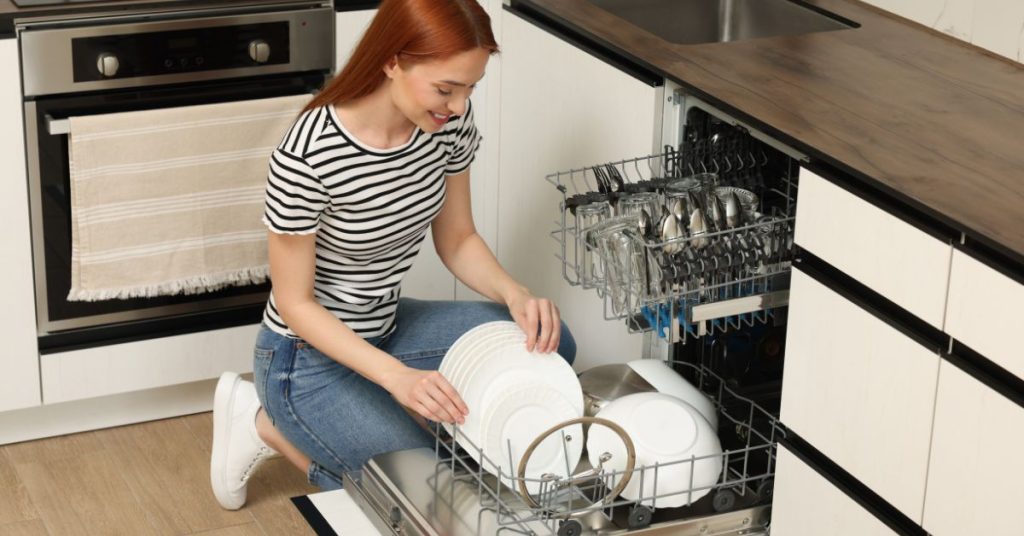
When hosting holiday gatherings, your dishwasher becomes one of the most frequently used appliances in your home, and the added demand can quickly expose any inefficiencies. A dishwasher loaded with holiday dishes, showcasing efficient and organized placement, helps maintain performance while reducing stress on the appliance. Proper loading techniques, using the right detergents, and selecting energy-efficient cycles all contribute to smoother operation, lower utility costs, and better cleaning results during the busiest time of year.
Heavy seasonal use also makes your appliance more vulnerable to premature wear, clogs, and inconsistent cleaning. Incorporating essential care routines—and scheduling professional dishwasher repair or maintenance when needed—helps prevent breakdowns, improves hygiene, conserves water, and ensures your dishwasher stays reliable throughout the holiday season.
Optimize Loading Techniques for Maximum Cleaning Power
Proper loading is the foundation of dishwasher efficiency. Even high-end models rely on correct placement of dishes to ensure effective cleaning and rinsing.
Load Dishes Strategically
To ensure every item receives full spray coverage:
- Place large items, such as pots and platters, on the bottom rack.
- Keep bowls and cups angled downward to prevent water from pooling.
- Avoid nesting dishes—overlapping blocks water flow and leads to residue.
- Secure lightweight plastic items to prevent them from flipping during cycles.
Respect Spray Arm Clearance
Spray arms must rotate without obstruction. Ensure utensils, plates, or large cookware do not block spinning arms, as even minor interference reduces water coverage and cleaning efficiency. Maintaining proper clearance guarantees thorough washing, prevents partial cleaning, and preserves the dishwasher’s performance over time.
Pre-Cleaning Tips to Protect the Dishwasher and Improve Results
While modern dishwashers are designed to handle food residue, taking a few moments to prepare your dishes can enhance cleaning quality and extend the life of your appliance.
Scrape, Don’t Pre-Rinse
Modern dishwashers are engineered to remove food residue without the need for pre-rinsing. Pre-rinsing actually wastes water and time, as soil sensors in the dishwasher adjust cleaning cycles based on remaining food particles. Simply scraping off large bits of food prevents clogs and ensures efficient cleaning without unnecessary water use.
Avoid Overloading
Overloading the dishwasher restricts water and detergent from reaching all surfaces, leading to poorly cleaned dishes and residue buildup. Plates and utensils need space for water jets to circulate effectively. Running smaller, properly spaced loads improves cleaning performance, protects the appliance’s mechanisms, and reduces the risk of damage to dishes or the dishwasher itself.
Choose the Right Dishwasher Cycle for Holiday Loads
Different dish loads require different wash cycles, especially when cleaning cookware heavily used during holiday cooking.
Heavy Duty and Pots & Pans Cycles
Designed for heavily soiled cookware, these cycles use higher temperatures and longer wash times to remove baked-on food, grease, and sticky residues commonly found after holiday meals.
Normal Cycle
Best suited for everyday dishwashing, the normal cycle effectively cleans moderately soiled plates, glasses, and utensils while balancing water and energy efficiency, making it ideal for standard household use.
Quick Wash
A shorter, less intense cycle for lightly soiled dishes. It saves time and energy but isn’t suitable for heavily soiled holiday cookware or items with stubborn food residues.
Sanitize Cycle
This cycle uses elevated water temperatures to kill bacteria and germs, ensuring hygienic cleaning. It’s especially useful after parties or gatherings when multiple people share dishes and utensils.
Selecting the right cycle can dramatically increase both cleaning performance and energy efficiency.
Use High-Quality Detergents and Rinse Aids for Superior Cleaning
Not all detergents are created equal. Using high-quality products helps your dishwasher function at its best, delivering streak-free dishes and preventing buildup.
Choosing the Right Detergent
For holiday loads:
- Use enzyme-rich detergents that break down grease and proteins.
- Avoid low-quality powdered detergents that leave behind residue.
Benefits of Using a Rinse Aid
Rinse aids prevent water from forming droplets on dishes, promoting faster, streak-free drying. They are especially beneficial during consecutive holiday loads, as they reduce spotting and buildup, improve shine, and maintain the dishwasher’s effectiveness, ensuring every plate, glass, and utensil emerges clean and visually flawless.
Maintain Your Dishwasher to Handle Heavy Holiday Workloads
Routine maintenance ensures your dishwasher can keep up with increased usage. Simple upkeep tasks make a significant difference in performance and longevity.
Clean the Filter Regularly
The dishwasher filter traps food particles to prevent them from recirculating. Over time, buildup can cause unpleasant odors, water blockage, and poor cleaning results. Cleaning the filter weekly, especially during heavy holiday use, ensures optimal performance and hygiene.
Inspect and Clean Spray Arms
Spray arms distribute water evenly for thorough cleaning. Food debris or mineral buildup can clog their holes, lowering water pressure and leaving dishes dirty. Removing and rinsing the arms ensures proper water flow, maintaining effective cleaning during frequent holiday cycles.
Descale the Dishwasher
Hard water leaves mineral deposits inside the dishwasher, affecting heating elements, spray arms, and overall efficiency. Running a descaling cycle with a dishwasher cleaner every few months—or more often in hard water areas—removes buildup, preserves performance, and extends the appliance’s lifespan.
Wipe the Interior
Frequent use during holidays accelerates grease, soap scum, and grime accumulation inside the dishwasher. Wiping down walls, seals, and the door prevents odors, keeps the interior sanitary, and ensures smooth operation, contributing to consistently clean dishes and a well-maintained appliance.
Improve Energy Efficiency While Maintaining Powerful Cleaning
Holiday cleanup can increase energy usage. Implementing energy-saving strategies keeps your utility bills manageable without compromising performance.
Run Full Loads
Dishwashers consume almost the same water and energy regardless of how full they are. Running only full loads maximizes efficiency, reduces unnecessary resource usage, and lowers energy bills, making holiday cleanup more eco-friendly without sacrificing cleaning performance.
Use Eco-Friendly Cycles
Eco or energy-saving cycles use lower temperatures and reduced water while still cleaning effectively. These cycles are ideal for lightly soiled dishes, helping conserve electricity and water without compromising hygiene, especially valuable during periods of frequent holiday use.
For more tips on energy-efficient dishwashing, see ENERGY STAR’s guide to dishwashers.
Avoid Peak Power Hours
Electricity demand peaks during certain hours, often increasing energy costs and straining the grid. Running your dishwasher during off-peak hours—like evenings or nights—can reduce utility bills, support grid stability, and maintain effective cleaning without added expense.
Air Dry to Save Energy
Skipping the heated drying cycle significantly cuts electricity usage. Most dishwashers allow natural drying by simply opening the door after the final rinse, letting air circulate. This energy-efficient method keeps dishes dry while lowering holiday energy consumption.
Ensure Proper Water Temperature for Effective Cleaning
Your dishwasher relies on hot water to dissolve detergent, kill germs, and remove grease.
Set Water Heater to Optimal Temperature
Dishwashers clean most effectively when water is between 120°F and 140°F. This range ensures detergent dissolves properly, removes grease efficiently, and sanitizes dishes. Setting your water heater within this range improves cleaning performance while preventing scalding or energy waste.
Run Hot Water Before Starting the Dishwashing Cycle
Running hot water at the sink before starting the dishwasher ensures the appliance begins its cycle with immediate hot water. This prevents cold-water delays, allows detergent to activate fully, and ensures dishes are thoroughly cleaned and sanitized from the start.
Troubleshooting Common Dishwasher Issues During the Holidays
Heavy use can reveal underlying issues. Address problems early to avoid major disruptions during holiday gatherings.
Dishes Not Drying
- Confirm proper use of rinse aid.
- Check the heating element for malfunctions.
- Avoid unloading the top rack first; water from top items can drip onto lower dishes.
Cloudy Glassware
This may stem from:
- Hard water deposits
- Too much detergent
- Incomplete rinsing
Adding rinse aid or using a descaling product helps restore clarity.
Bad Odors
Persistent odors usually come from trapped food particles or grease. Regularly cleaning the filter and running a dishwasher cleaning cycle with white vinegar or a specialized cleaner eliminates bacteria and residue, keeping the appliance smelling fresh and sanitary for large holiday loads.
Poor Cleaning Results
If dishes aren’t coming out clean, check spray arms for clogs, ensure the filter is clear, verify water temperature is optimal, and adjust loading patterns to allow proper water flow. Addressing these factors restores effective cleaning performance quickly.
Why Professional Dishwasher Maintenance Matters During the Holidays

Even with proper care, dishwashers occasionally require expert attention. Professional appliance maintenance from 5 Star Appliance Repair ensures:
- Enhanced cleaning performance
- Quick diagnosis of emerging issues
- Prolonged appliance lifespan
- Safe and efficient operation
- Identification of potential failures before they disrupt holiday plans
- Compliance with manufacturer warranties through proper servicing
- Peace of mind during heavy holiday use
Our certified technicians can also identify potential failures before they disrupt your holiday plans. Contact us now to schedule your professional dishwasher maintenance and repair services and keep it running smoothly all season long!
Final Thoughts
Maximizing your dishwasher efficiency during holiday cleanup is all about combining smart loading, the right cycle selection, regular maintenance, and energy-saving practices. Following these expert tips ensures your dishwasher performs reliably, cleans thoroughly, and remains in peak condition, even under the extra strain of holiday use. By adopting these habits, you can enjoy a cleaner kitchen, reduced stress, and lower utility bills throughout the festive season.
For trusted support, turn to 5 Star Appliance Repair, your go-to local appliance repair service in Los Angeles. Keep your appliances running smoothly and avoid costly breakdowns—book now to ensure your dishwasher stays in top shape all year long!
FAQs
How can I load my dishwasher efficiently during the holidays?
Load dishes by type, placing large items on the bottom rack and bowls or cups angled downward. Avoid overcrowding to ensure water reaches every surface and prevents residue buildup.
Should I pre-rinse my dishes before putting them in the dishwasher?
No, modern dishwashers are designed to handle food residue without pre-rinsing. Simply scraping off large food particles is sufficient and saves water and time.
Which dishwasher cycle is best for heavily soiled holiday cookware?
Use the Heavy Duty or Pots & Pans cycle for baked-on food and grease. These cycles use higher temperatures and longer wash times for thorough cleaning.
How often should I clean my dishwasher filter and spray arms?
During heavy holiday use, clean the filter weekly to prevent clogs and odors. Inspect and rinse spray arms regularly to maintain proper water flow and cleaning performance.
When should I call a professional for dishwasher maintenance?
If your dishwasher shows persistent cleaning issues, bad odors, or unusual noises, it’s time to call a professional. 5 Star Appliance Repair, a trusted local appliance repair service in Los Angeles, can diagnose problems and ensure your appliance runs efficiently.