

Home appliances make modern living easier, but when neglected, they can pose serious fire hazards. Appliance-related fires are among the most common causes of household accidents, leading to significant property damage and potential injuries. By understanding the risks and following preventive measures, we can safeguard our families and homes from devastating incidents. This complete guide provides detailed strategies for preventing appliance fires at home, offering insights into maintenance, safe usage, and professional care.
Table of Contents
Understanding the Common Causes of Appliance Fires
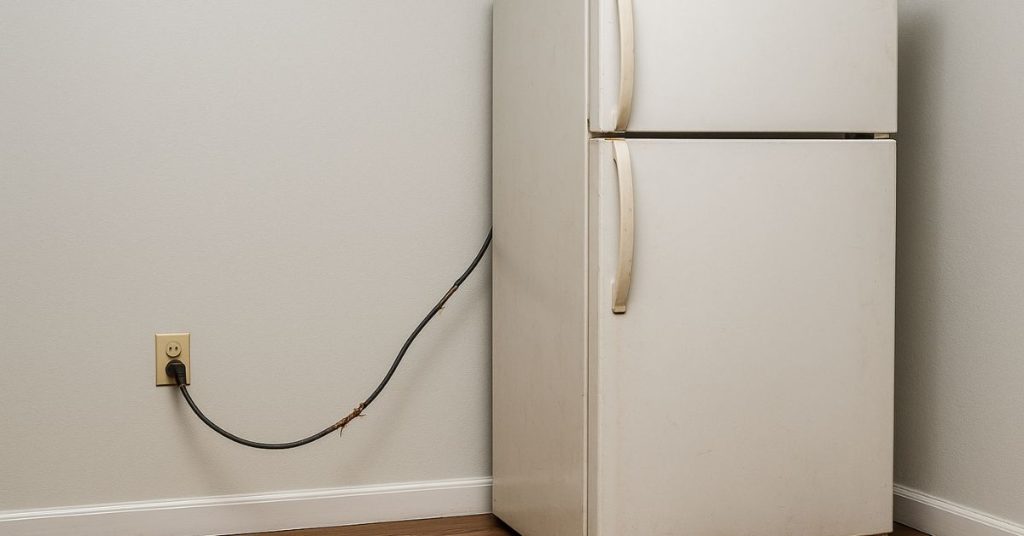
Many household fires start due to faulty or misused appliances. The most common culprits include:
- Overloaded electrical circuits from running multiple high-powered appliances at once.
- Frayed or damaged cords that spark when in use.
- Poor ventilation in appliances like dryers, ovens, or refrigerators.
- Neglected maintenance, leading to overheating or mechanical failures.
- Improper usage, such as leaving cooking appliances unattended.
- Using incompatible extension cords or power strips not rated for the appliance’s load.
- Placement of appliances too close to flammable materials, such as curtains or paper towels.
Recognizing these hazards allows us to adopt proactive measures that significantly reduce fire risks. For additional safety information, review the U.S. Fire Administration’s appliance and electrical fire safety tips.
High-Risk Appliances to Watch Closely
Not all appliances carry the same level of fire risk. Certain devices require extra vigilance:
- Clothes Dryers – Lint buildup in vents and filters is one of the leading causes of appliance fires.
- Ovens and Stoves – Grease buildup, unattended cooking, or malfunctioning heating elements can ignite fires quickly.
- Microwaves – Overheating food or using improper containers may cause sparks.
- Refrigerators – Faulty wiring or blocked coils may lead to overheating.
- Dishwashers – Electrical malfunctions or leaking water contacting wiring can trigger fires.
- Portable Heaters – Overheating or placing too close to flammable materials can result in flames.
Essential Appliance Maintenance for Fire Prevention
Regular Cleaning and Inspection
Keeping appliances clean ensures they run efficiently and safely. Clothes dryers should have lint filters cleaned after every load, and vents inspected regularly. Ovens and stovetops must be free of grease and food debris to prevent ignition. Even appliances like refrigerators and dishwashers require coil and filter maintenance.
Check Electrical Components
Appliance cords and plugs should be inspected for fraying, discoloration, or cracks. Damaged cords pose a serious fire risk and should be replaced immediately. Also, check for loose connections that might spark. Regularly cleaning lint traps, vents, and coils on appliances like dryers and refrigerators helps prevent overheating and ensures safe, efficient operation.
Schedule Professional Servicing
Routine appliance inspections from licensed technicians ensure appliances meet safety standards. These experts can detect hidden issues such as worn-out wiring, faulty switches, or overheating components before they escalate. Early detection helps prevent electrical fires and costly repairs. Professional servicing also ensures appliances run efficiently, extending their lifespan while keeping your home and family safe.
Who to Call for Reliable Appliance Maintenance and Repairs
When it comes to ensuring your appliances are safe and functioning properly, trust 5 Star Appliance Repair—your go-to provider for appliance services and affordable appliance fire hazard repair. Our certified technicians offer fast, reliable service to help you prevent dangerous malfunctions and fire risks.
Here’s why homeowners trust us:
- Fast, same-day service options
- Experienced, licensed professionals
- Preventive care that reduces fire risks
- Transparent pricing and friendly support
Safe Usage Habits to Reduce Fire Risks
Avoid Overloading Circuits
Each appliance has a specific electrical requirement. Plugging several high-energy devices into one outlet can lead to overheating and fire. To prevent this, use dedicated circuits for power-hungry appliances like refrigerators, washers, or dryers. This ensures safe energy distribution and reduces the risk of circuit overloads and fires.
Unplug When Not in Use
Small appliances like toasters, kettles, and irons should be unplugged when not in use. Leaving them plugged in increases the risk of phantom electrical loads—small amounts of energy that can cause overheating or spark accidental fires. Unplugging also prevents accidental activation, especially when children or pets are around.
Use Appliances as Intended
Appliances must be used according to manufacturer instructions. Misusing devices, like using an oven as a heater or placing metal in a microwave, significantly raises the risk of overheating, malfunction, or fire. Always read and follow manuals to ensure safe operation and extend the life of your appliances.
Supervise While Operating
Unattended cooking is a major cause of home fires. Stay in the kitchen when using stoves or ovens, even briefly. Likewise, never leave dryers running when you’re asleep or not home. Constant supervision prevents accidents, allowing quick response to smoke, unusual smells, or sparks before they escalate.
Electrical Safety Tips for Appliance Fire Prevention
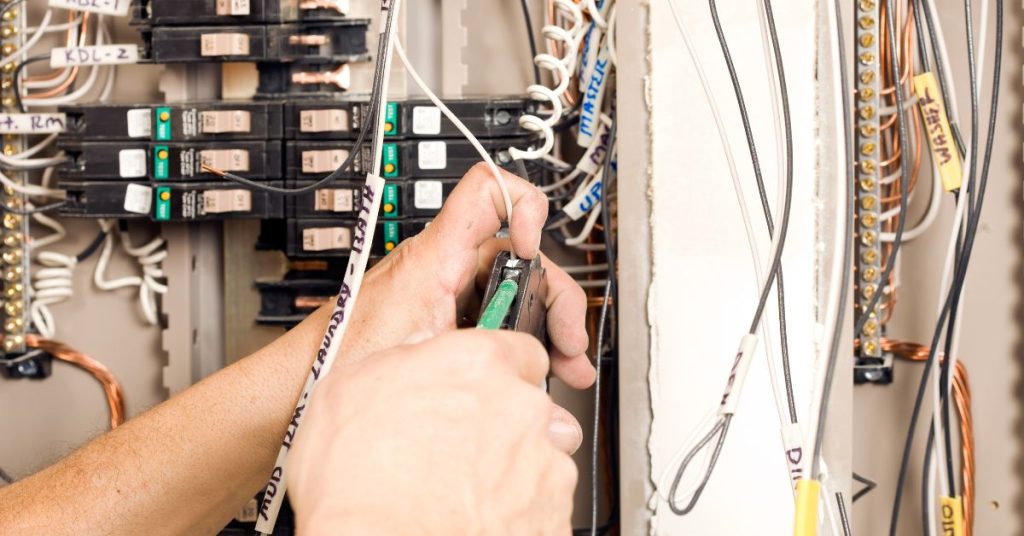
- Install smoke detectors in key areas, especially kitchens and laundry rooms.
- Invest in whole-house surge protections to prevent power surges from damaging appliances.
- Keep extension cords for temporary use only—never for permanent appliance connections.
- Ensure ground-fault circuit interrupters (GFCIs) are installed in kitchens, bathrooms, and laundry rooms to prevent electrical shocks and fires.
- Replace outdated wiring and breaker panels, as older systems may not handle modern appliance loads safely.
- Unplug small appliances when not in use to reduce fire risks and save energy.
- Avoid overloading outlets or power strips with multiple high-wattage appliances.
- Schedule regular professional inspections of your electrical system to catch potential hazards early.
- Keep appliances clean and well-maintained, as dust and grease buildup can increase fire risks.
- Keep flammable materials like curtains, paper, and cleaning supplies away from heat-producing appliances.
Special Attention for Kitchen Safety
The kitchen is the heart of the home but also the most fire-prone area. To minimize risks:
- Keep flammable items away from stovetops. Dish towels, paper products, and curtains should never be near burners.
- Use fire-resistant mats under small appliances.
- Monitor grease levels when frying foods; overheated oil can ignite in seconds.
- Keep a Class K fire extinguisher nearby for grease fires, which cannot be safely extinguished with water.
For more detailed prevention strategies, see the NFPA’s cooking safety resources.
Dryer and Laundry Room Fire Safety
Dryers alone account for thousands of home fires annually. To stay safe:
- Clean the lint filter before every load.
- Inspect dryer vents monthly for lint accumulation.
- Ensure proper ventilation to avoid overheating.
- Use metal ducts instead of plastic or foil, as they are more fire-resistant.
- Avoid drying items soaked in flammable substances like gasoline or oil.
Heating Appliances and Seasonal Fire Risks
Portable heaters, fireplaces, and holiday decorations contribute significantly to household fire hazards. To mitigate risks:
- Place heaters at least three feet away from flammable objects.
- Never leave heaters unattended while operating.
- Inspect holiday lights for damaged wires before decorating.
- Turn off space heaters and decorations when leaving the house or going to bed.
When to Replace Old Appliances
Even with proper maintenance, appliances have a lifespan. Outdated or malfunctioning devices should be replaced to ensure safety. Signs that an appliance needs replacing include:
- Frequent electrical issues such as tripping breakers or blowing fuses.
- Strange smells like burning plastic or rubber during operation.
- Unusual sparks, smoke, or excessive heat while in use.
- Noise changes, indicating internal damage.
Replacing older units with modern, energy-efficient appliances not only enhances safety but also reduces energy consumption. It’s also wise to check the Consumer Product Safety Commission’s recall list to ensure your appliances are not part of any safety hazards.
Emergency Preparedness for Appliance Fires
Even with preventive measures, accidents can occur. Being prepared ensures quick action:
- Keep a fire extinguisher on every floor of the home.
- Teach all family members how to use extinguishers effectively.
- Develop a fire escape plan, including multiple exit routes.
- Practice fire drills regularly to ensure everyone knows what to do.
- Store important documents in fireproof safes for added protection.
Conclusion
Preventing appliance fires is all about staying proactive—through regular maintenance, mindful usage, and keeping a close eye on electrical safety. Every small step, like cleaning dryer vents or unplugging unused devices, makes a huge difference in reducing risks. By creating safe habits at home, you not only protect your appliances but also safeguard your loved ones from potential harm.
If you ever need expert help with inspections, repairs, or preventive care, don’t hesitate to contact us. Our team is here to ensure your appliances run safely and efficiently, giving you peace of mind and a safer home.
FAQs
How often should I clean my dryer vent to prevent fires?
You should clean the lint filter after every load and inspect and clean the dryer vent at least once every 3–6 months. Regular maintenance prevents lint buildup, which is a leading cause of dryer fires.
Is it safe to use extension cords for appliances?
Extension cords should only be used temporarily and never with high-wattage appliances like heaters or refrigerators. Using them long-term can lead to overheating and electrical fires.
When should I replace an old appliance for safety reasons?
Replace appliances if they frequently trip breakers, emit burning smells, spark, or overheat during use. These are signs of internal damage or outdated electrical components that pose fire risks.
What type of fire extinguisher should I keep in the kitchen?
A Class K fire extinguisher is best for grease fires commonly found in kitchens. It safely extinguishes oil-based fires without the danger of spreading flames like water would.
Can leaving small appliances plugged in cause a fire?
Yes, even when not in use, small appliances can draw phantom loads and overheat. Unplugging them when not in use reduces fire risk and saves energy.