

Appliance-related water damage is one of the most costly and disruptive issues homeowners face. Washing machines, dishwashers, refrigerators, and water heaters are essential appliances, yet they can wreak havoc when leaks occur. Preventing water damage from appliances is not only about safeguarding property—it’s about ensuring long-term peace of mind and preventing future appliance water damage. Below, we offer expert, actionable tips to proactively avoid costly damage and maintain a dry, secure home environment.
Table of Contents
Understanding the Most Common Sources of Appliance Water Damage
Before implementing prevention tactics, it’s critical to identify which appliances pose the greatest risks:
- Washing Machines – Hoses can become brittle or cracked, leading to sudden bursts.
- Dishwashers – Blocked drains and worn-out seals cause slow leaks that go unnoticed.
- Refrigerators with Ice Makers – Improper water line installation or hidden leaks can damage flooring and drywall.
- Water Heaters – Sediment buildup and corrosion can lead to tank rupture or slow leaks.
- Air Conditioning Units – Clogged drain lines can overflow and lead to mold or ceiling stains.
Routine Inspection: The Foundation of Water Damage Prevention
Visual inspections are your first line of defense. Make it a habit to:
- Check hoses and connections monthly for signs of wear, cracks, or corrosion.
- Inspect floors around appliances for moisture, warping, or discoloration.
- Listen for unusual sounds during appliance operation—clanking, banging, or gurgling may indicate water flow issues.
- Ensure appliances sit level to prevent internal water pooling or imbalance that stresses connections.
Use Stainless Steel Braided Hoses for Maximum Protection
One of the most reliable upgrades any homeowner can make is replacing standard rubber hoses with stainless steel braided hoses. These are:
- Resistant to bursting, even under high water pressure
- Durable and long-lasting, often with a 5–10-year life expectancy
- Ideal for high-risk appliances such as washing machines and dishwashers
Tip: Label the installation date on the hose with permanent marker to track replacement timing easily
Install Leak Detection Devices and Smart Water Shutoff Valves
Technology plays a powerful role in early leak detection and water loss prevention. Consider installing:
- Smart water leak sensors beneath each appliance. These notify your phone instantly if water is detected.
- Automatic water shutoff valves that activate when a leak is sensed, cutting off supply to prevent major flooding.
- Wi-Fi enabled water monitors for full home monitoring, providing real-time usage reports and alerts.
- Flow-based leak detection systems that track unusual water usage patterns and identify hidden leaks before they escalate.
Schedule Regular Professional Maintenance
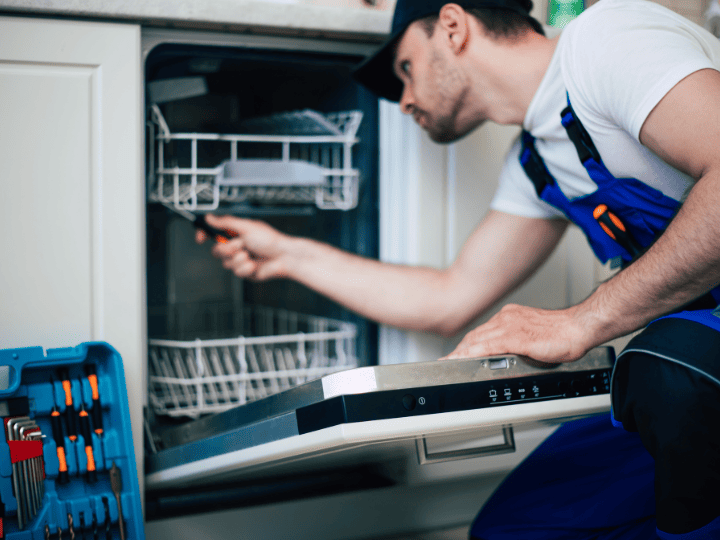
Professional servicing ensures internal components and hidden parts are functioning optimally. It’s wise to:
- Have water heaters flushed annually to remove sediment and prevent corrosion.
- Schedule dishwasher and washing machine tune-ups every 12–18 months.
- Hire HVAC specialists to clean and inspect condensate lines and drain pans.
- Replace appliances nearing end-of-life—most dishwashers, washers, and water heaters last 8–12 years.
- Inspect refrigerator water lines and ice maker connections annually to catch wear or leaks early.
- Test and service sump pumps regularly to ensure they are ready during unexpected water events.
Protect Flooring and Cabinets with Water Alarms and Drain Pans
The area beneath your appliances should never be unprotected. For an added layer of water defense, install:
- Drain pans under washing machines, water heaters, and air conditioners to collect minor leaks.
- High-sensitivity water alarms under sinks, behind refrigerators, and inside cabinets.
- Moisture barrier mats in kitchen and laundry areas to prevent hardwood warping or mold.
Secure and Reinforce Appliance Water Lines
Poorly secured lines are a top contributor to hidden water leaks. Ensure:
- Refrigerator ice maker hoses are installed by professionals with secure clamps.
- Dishwasher supply and drain hoses are tightly connected and free from kinks.
- Washing machine hoses are not stretched, bent, or crushed behind the unit.
- Upgrade to braided stainless steel hoses, which are more durable and resistant to bursts than rubber hoses.
- Install water hammer arrestors to reduce pressure surges that can weaken or damage water lines over time.
Use Timers and Automatic Shut-Off Systems
Appliances left running while you’re away pose serious risk. Mitigate danger with:
- Water timers that allow operation only during preset times (ideal for rental properties).
- Auto shut-off valves that engage when machines stop drawing water.
- Leak-sensing smart plugs that cut power to the appliance if water is detected.
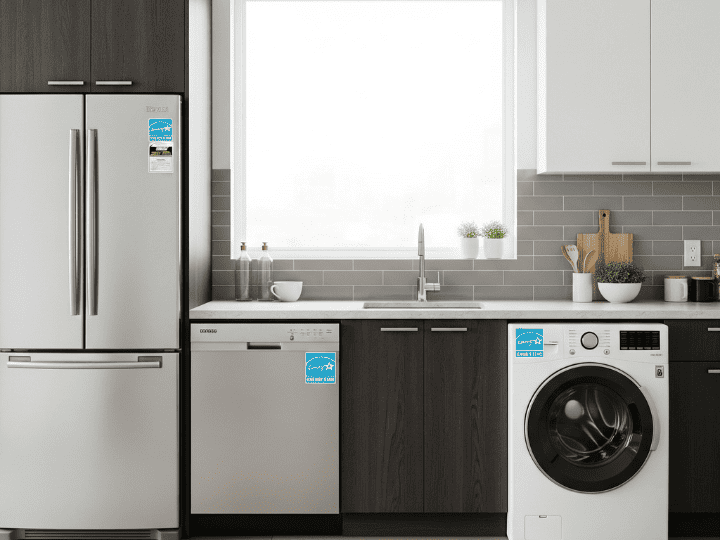
Upgrade to Energy Star and WaterSense Appliances
Newer appliances aren’t just more efficient—they’re designed with safety in mind. Benefits include:
- Improved internal water containment systems
- Sensors to detect and alert malfunctions
- Lower overall water pressure demands, reducing strain on hoses and connections
- Enhanced leak detection features that automatically shut off water in case of a fault
- Eco-friendly designs that minimize water waste while maximizing performance
Be Proactive During Vacation or Extended Absence
Leaving home for more than a couple of days? Don’t risk coming back to water damage. Always:
- Turn off water supply valves to washing machines and dishwashers.
- Shut off the main water valve if you’re gone more than 3–5 days.
- Leave leak detectors active and connected to Wi-Fi so you’ll receive alerts remotely.
Monitor Utility Bills for Unexpected Spikes
An often-overlooked signal of a water leak is a sudden increase in your water bill. If usage hasn’t changed:
- Inspect each appliance for slow leaks or drips
- Check under flooring and inside walls with a moisture meter
- Call a licensed plumber to inspect lines inside walls or foundations
- Schedule professional appliance services to ensure washers, dishwashers, and refrigerators are properly maintained and free of hidden leaks
Final Thoughts: Diligence Now Prevents Disasters Later
Water damage from household appliances can quickly escalate, damaging flooring, walls, and even your home’s foundation. Investing in preventative measures such as leak detectors, stainless steel hoses, and routine inspections is far more affordable than facing costly repairs. By staying proactive, you protect your property, save money, and gain peace of mind knowing your home is safe from unexpected leaks.
For added assurance, trust the experts at 5 Star Appliance Repair to keep your appliances in peak condition. Our professional services help detect hidden issues before they become emergencies, ensuring washers, dishwashers, and refrigerators operate safely and efficiently. Don’t wait for a disaster—schedule regular appliance maintenance with 5 Star Appliance Repair and secure your home against water damage today.
FAQs
What are the first signs of appliance water damage I should look for?
Watch for water stains, warping floors, or damp odors around appliances. Unusual noises or a sudden spike in your water bill can also signal hidden leaks.
How often should I replace appliance hoses to prevent leaks?
Rubber hoses should be replaced every 3–5 years, while stainless steel braided hoses can last 5–10 years. Always inspect hoses annually for wear or damage.
Are smart leak detectors really worth the investment?
Yes—smart leak detectors can alert you to leaks instantly, even when you’re away from home. They help stop small issues before they cause expensive damage.
What appliances should I check most frequently for leaks?
Washing machines, dishwashers, refrigerators with ice makers, and water heaters are the highest-risk appliances. These should be checked monthly for signs of wear, leaks, or corrosion.
Should I turn off the water when going on vacation?
Absolutely—turning off your main water valve or the valves to key appliances can prevent major water damage while you’re away. Pair this with smart leak sensors for maximum protection.