
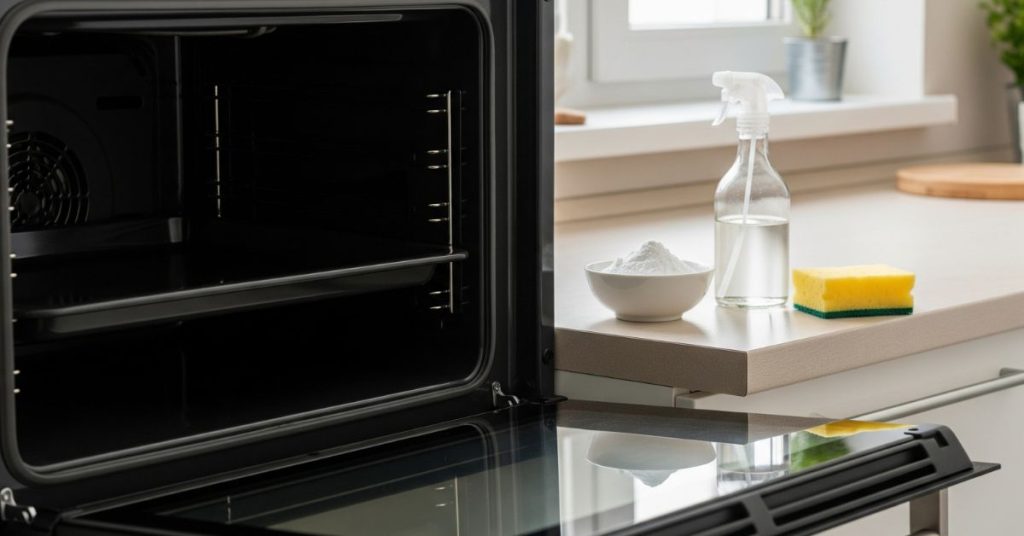
Let’s be honest—oven cleaning is one of those chores most of us avoid until absolutely necessary. Between work, errands, and family time, scrubbing burnt-on grease is the last thing busy homeowners want to do. The good news? You don’t need hours (or harsh chemicals) to get your oven sparkling clean. In this blog post, we’ll share quick and effective oven cleaning hacks that actually work—perfect for anyone short on time. These oven cleaning hacks for busy homeowners are simple, safe, and surprisingly satisfying!
Table of Contents
Why Regular Oven Cleaning Matters
A clean oven does more than just look good—it plays a vital role in maintaining a healthy, efficient kitchen. Grease buildup and leftover food debris can release unpleasant odors, affect your meals’ flavor, and even pose fire risks. Regular oven cleaning also supports better heat distribution, ensuring your dishes cook evenly while reducing energy consumption.
For those who value performance and longevity in their appliances, oven care is essential. It’s a key part of the ultimate high-end kitchen appliance maintenance schedule, helping preserve the quality, safety, and lifespan of your luxury cooking equipment.
1. The Overnight Baking Soda and Vinegar Method
When you don’t have time for intense scrubbing during the day, the overnight baking soda method works wonders.
What You’ll Need:
- 1/2 cup of baking soda
- 3 tablespoons of water
- White vinegar in a spray bottle
- A damp cloth
Steps:
- Mix baking soda with water to create a thick paste.
- Spread the paste generously inside your oven, avoiding heating elements.
- Leave it overnight to break down grease and grime.
- In the morning, spray vinegar over the paste—it will foam, loosening residue.
- Wipe clean with a damp cloth.
This non-toxic cleaning hack is ideal for families and pet owners since it avoids harsh chemicals.
2. Steam Clean Your Oven with Lemon Water
When you’re short on time, steaming is one of the fastest ways to soften stubborn food spills.
What You’ll Need:
- 2 lemons
- 1 oven-safe bowl
- Water
Steps:
- Slice lemons in half and squeeze juice into the bowl.
- Add the lemon halves and fill the bowl halfway with water.
- Place it in the oven and set the temperature to 250°F (120°C) for 30 minutes.
- Turn off the oven and let it cool slightly before wiping surfaces with a cloth.
The natural acidity of lemon combined with steam makes grease removal effortless while leaving a fresh citrus scent.
3. Salt and Baking Soda Quick Spill Fix
If something spills in your oven during cooking, don’t wait until it hardens.
Steps:
- Immediately sprinkle the spill with salt and baking soda while it’s still warm (not hot).
- The mixture will absorb the liquid and prevent crusty buildup.
- Once the oven cools, wipe away the residue easily with a damp sponge.
This fast-react method prevents long scrubbing sessions later.
4. Dishwasher Tablet Scrub for Tough Stains
Dishwasher tablets are surprisingly effective for removing caked-on oven grease.
Steps:
- Dip a dishwasher tablet in warm water to soften slightly.
- Rub it gently over stained areas—avoid too much pressure to protect surfaces.
- Wipe with a damp cloth to remove debris.
This works especially well for oven door glass, restoring its clear, streak-free look.
5. Cleaning the Oven Door Glass Like a Pro
A grimy oven door makes your entire kitchen look unkempt. Here’s how to tackle it:
Baking Soda Paste Method:
- Mix 1/2 cup baking soda with 2–3 tablespoons of water.
- Apply paste to glass and let sit for 20 minutes.
- Scrub gently with a microfiber cloth or non-abrasive sponge.
- Wipe clean for a crystal-clear finish.
For hidden grime between oven glass panels, check your appliance manual for safe disassembly instructions.
6. Harnessing the Self-Cleaning Function Safely
Many modern ovens come with a self-cleaning feature that uses extreme heat to burn off residue. While convenient, it should be used carefully:
Tips:
- Remove oven racks beforehand to prevent discoloration.
- Ensure good ventilation during the process.
- Wipe away ash once the cycle completes.
Self-cleaning is best for deep cleans every few months, not for frequent use.
7. Eco-Friendly Oven Cleaning with Natural Ingredients
If you prefer to avoid commercial oven cleaners, these natural options work surprisingly well:
- Baking Soda + Hydrogen Peroxide: Great for stubborn spots. Apply paste, wait 2 hours, and wipe away.
- Vinegar Spray: Perfect for freshening up after minor cooking messes.
- Cornstarch Paste: Ideal for absorbing greasy residues before wiping.
Using eco-friendly ingredients protects your family and reduces chemical exposure. (Learn more about safer cleaning alternatives recommended by the EPA).
8. Preventing Future Oven Messes
Prevention saves time and effort. Here are quick proactive cleaning habits:
- Place a baking sheet or aluminum foil on the lower rack to catch drips.
- Cover food with lids or foil while cooking.
- Wipe small spills immediately after the oven cools.
- Give your oven a quick monthly refresh with vinegar spray.
By integrating these habits, deep cleaning becomes far less frequent.
9. Fast Refresh: The Five-Minute Daily Wipe Down
When cooking daily, spend five minutes after dinner to keep your oven spotless:
- Spray a light vinegar solution inside.
- Wipe with a microfiber cloth.
- Pay special attention to knobs, door handles, and control panels.
This habit keeps grime from hardening, making future cleanups a breeze.
10. When to Call a Professional Oven Cleaning Service
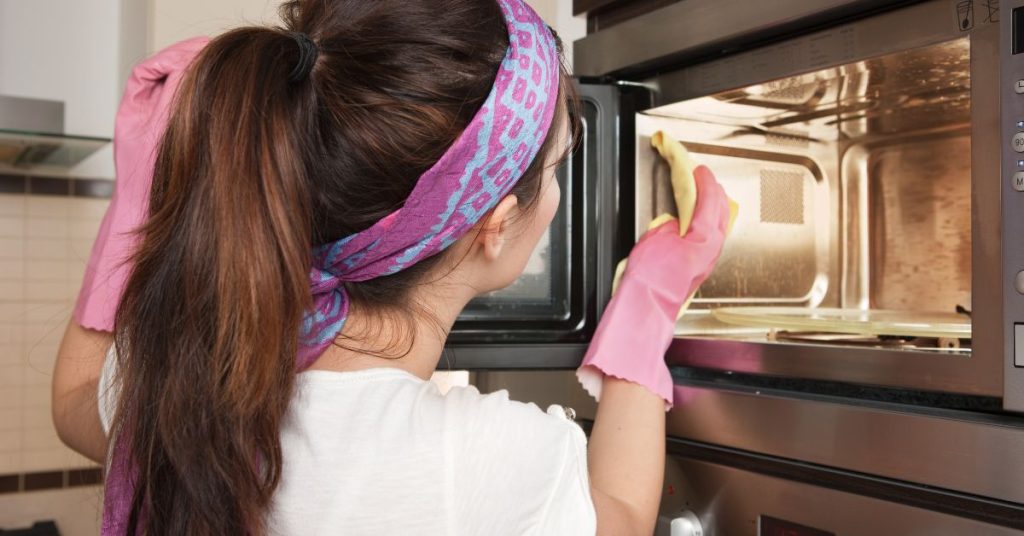
While DIY methods work well for routine upkeep, some situations require professional help. Call a professional oven cleaning service when:
- Grease and grime have built up over years
- Smoke or strong odors persist even after cleaning
- Burnt residue is stuck in hard-to-reach areas
- Time constraints prevent deep cleaning
Professionals use industrial-grade tools and eco-friendly cleaners that break down stubborn residue safely. They can also inspect for damage and ensure your appliance is operating safely. It’s a smart investment when performance, safety, and cleanliness truly matter.
Trust the Experts for Oven Repair and Maintenance
Sometimes, even the best cleaning hacks aren’t enough—especially when your oven shows signs of damage or performance issues. From heating inconsistencies to malfunctioning doors, it’s best to call in the pros. Trust 5 Star Appliance Repair for reliable oven repair services and ongoing appliance maintenance. Our certified technicians offer fast, effective service that keeps your high-end appliances running like new. Don’t wait until minor problems turn into costly breakdowns—protect your investment with expert care.
Final Thoughts
Keeping your oven clean doesn’t have to be a daunting task. With these quick and easy oven cleaning hacks, even the busiest homeowners can maintain a fresh, efficient kitchen without sacrificing precious time. From overnight baking soda tricks to lemon steam cleans, a little consistency goes a long way.
Remember, regular oven cleaning not only improves cooking performance but also extends your appliance’s lifespan. And when DIY isn’t enough, don’t hesitate to call professionals like 5 Star Appliance Repair for expert care, oven repair services, and routine appliance maintenance you can trust.
FAQs
How often should I clean my oven?
For light use, a deep clean every 3–6 months is ideal. However, wiping down spills and grease weekly helps maintain cleanliness and prevent buildup.
Can I use commercial oven cleaners with these hacks?
Yes, but be cautious—commercial cleaners often contain harsh chemicals. If you prefer natural solutions, baking soda and vinegar are safer alternatives that work well for routine cleaning.
Is the self-cleaning function safe for frequent use?
It’s safe when used properly, but not recommended for frequent use as the extreme heat can wear down internal components. Use it for deep cleaning just a few times a year.
What’s the best way to clean oven racks?
Soak them overnight in a bathtub filled with warm water and a bit of dish soap or baking soda. In the morning, scrub off loosened grime with a non-abrasive sponge.
When should I call a professional instead of DIY?
If your oven has built-up residue, strange smells, or heating issues that home cleaning doesn’t fix, it’s time to call a pro. A technician can thoroughly clean and inspect for potential damage.