

A spooky season appliance inspection ensures your oven, stove, refrigerator, freezer, dishwasher, washer, and dryer are clean, functioning safely, and energy-efficient—perfect for fall feasts and chilly nights.
Key Takeaways:
- Check for strange noises or odors
- Clean filters and vents
- Inspect seals and hoses
- Test appliance functions
- Prioritize safety and efficiency
As the leaves fall and the spooky season creeps in, it’s not just ghouls and ghosts lurking in your home—your appliances could be hiding sinister signs of wear and tear. At 5 Star Appliance Repair, we provide a professional appliance inspection guide to ensure your kitchen and laundry appliances are functioning efficiently and safely during fall festivities. From ovens that underbake your pumpkin pies to dishwashers that leave a creepy film on your glassware, we’ve got you covered.
Table of Contents
 Oven and Stove Inspection – Keep the Heat Without the Haunt

Check for Uneven Heating and Strange Smells
Nothing ruins a Halloween dinner faster than an oven that heats unevenly or gives off a burnt or gas-like smell. Uneven heating often points to a failing heating element, faulty temperature sensor, or malfunctioning thermostat—all signs that oven repair may be needed. A rotten egg odor from a gas oven could point to a dangerous gas leak—an immediate call for professional appliance repair is critical.
Inspect Burners and Igniters
A proper stove inspection can catch issues like flickering gas burners or electric burners with visible scorch marks. Clogged ports or faulty igniters can prevent burners from lighting or heating evenly and may need cleaning or replacement.
Clean Before You Cook
Grease buildup is a major fire hazard. Remove burner grates, knobs, and drip pans for a deep clean. Use a vinegar and baking soda solution to remove caked-on grime inside the oven. Make sure your oven’s interior light is working to avoid frequent door opening, which affects cooking temperatures.
Don’t Let the Ghosts Drain Power
Old ovens with worn seals or gaskets may waste energy. A damaged oven door gasket causes heat to escape, making the appliance work harder. If your energy bill spikes or baking takes longer than usual, it might be time for oven repair or a full appliance upgrade.
❄️ Refrigerator and Freezer Inspection – No Creepy Spoiled Surprises
Inspect Door Seals and Gaskets
Use the dollar bill test: place a bill between the door seal and the frame and try to pull it out. If it slides easily, your gasket isn’t sealing properly. Loose seals cause cool air to escape, leading to increased energy usage and food spoilage.
Monitor Temperature Consistency
Keep your fridge at 37–40°F and your freezer at 0°F. Use a thermometer to confirm. If temperatures are fluctuating, faulty compressors or fans may be to blame and could require refrigerator maintenance and repair services.
Clean Coils and Check for Dust Buildup
Dirty condenser coils cause your refrigerator to overheat and work harder than necessary. Use a coil brush or vacuum cleaner to remove dust and lint from the back or underside of the unit.
Inspect the Defrost System
Frost buildup in a frost-free freezer isn’t normal. It could be a faulty defrost timer, heater, or thermostat. Excessive frost affects airflow and can prevent proper cooling.
Check Ice Maker and Water Dispenser
Low ice production or a funky taste in the water could mean a clogged water filter or mineral buildup in the lines. Replace filters every 6 months or according to the manufacturer’s instructions.
For additional guidance on energy efficiency and maintaining your refrigerator and freezer, check the U.S. Department of Energy’s refrigerator and freezer tips.
👕 Washer Inspection – Avoid Haunted Loads
Inspect Hoses and Connections
Washer hoses can wear out and crack over time, especially rubber ones. Inspect for bulges, cracks, or leaks. Use stainless steel braided hoses for extra durability.
Check Drum and Agitator
Run an empty cycle and listen for strange noises. Thumping, grinding, or banging can indicate a broken drum bearing, faulty shock absorber, or a loose agitator. Addressing these early prevents costly repairs.
Clean the Lint Trap and Dispensers
A hidden lint trap, especially in high-efficiency models, can cause drainage issues. Remove and clean detergent and fabric softener dispensers to avoid mold buildup.
Inspect for Mold and Mildew
Front-load washers are notorious for mold around the rubber gasket. Clean it with a mixture of vinegar and water, or use a washer cleaner tablet to remove hidden residues. Schedule professional washer maintenance if mold returns frequently or odors persist.
🔥 Dryer Inspection – Stop Fires Before They Start
Clean the Lint Trap After Every Load
This is your first line of defense against dryer fires. Lint buildup reduces airflow and causes the dryer to overheat.
Check and Clean the Vent Hose
At least once a season, disconnect the vent hose from the back of the dryer and remove any trapped lint. A blocked vent reduces efficiency and is a significant fire hazard.
Examine the Drum and Belt
If your dryer is making squealing or thumping noises, the drum support rollers, idler pulley, or drive belt could be wearing out. Replace them before they break entirely.
Test the Moisture Sensor
Dryers with automatic shut-off often rely on moisture sensors. If your clothes are coming out damp or overly dry, this sensor may be malfunctioning. Clean it gently with a soft cloth and rubbing alcohol.
For essential dryer safety guidelines, see the NFPA Clothes Dryer Safety Tip Sheet.
If you notice persistent issues or signs of wear, it might be time to look into professional dryer repair services to keep your appliance running safely and efficiently.
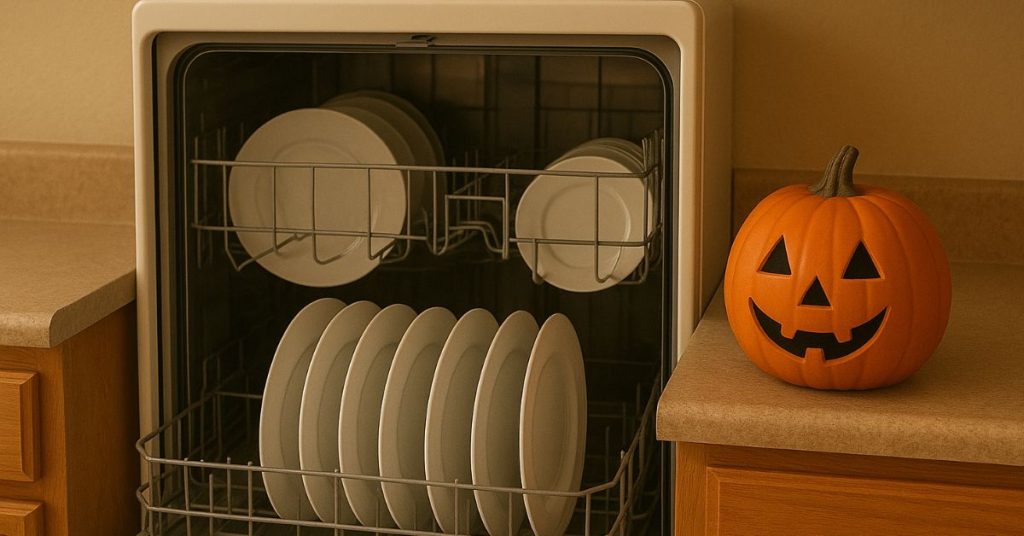
Dishwasher Inspection – Clean Plates, Not Scary Residue
Examine Spray Arms and Filters
Remove and clean spray arms—clogged holes can reduce water pressure, leaving food bits behind. Also, check the filter trap for buildup, which can cause odors and even mold if ignored—early signs you might need dishwasher service.
Inspect the Door Seal and Latch
A cracked or worn door seal can lead to leaks and warped cabinetry. The latch should click firmly; if it’s loose or the cycle doesn’t start, dishwasher repair may be necessary to fix alignment or electrical issues.
Check Drain Hose and Pump
If you notice standing water at the bottom after a cycle, you could be dealing with a clogged drain hose or faulty pump. Check for kinks, blockages, or damage in the hose. Clean out any debris from the pump area.
Run a Maintenance Cycle
Place a cup of white vinegar on the top rack and run a hot cycle. This helps remove hard water deposits, grease, and odor-causing bacteria. Follow up with a baking soda rinse for extra freshness.
🎃 Seasonal Appliance Maintenance Tips – Keep It Safe and Efficient
- Always unplug unused appliances to save energy, reduce fire hazards, and prevent unnecessary electrical wear.
- Schedule professional annual inspections, especially before fall gatherings, to ensure all appliances function safely and efficiently.
- Install quality surge protectors on key appliances to guard against damaging voltage spikes during storms or outages.
- Clearly label your breaker box to quickly identify and shut off power during emergencies or maintenance needs.
- Keep manufacturer manuals accessible for quick troubleshooting, maintenance tips, and to better understand appliance functions.
🛠️ Why Choose Professional Appliance Services This Fall?
When spooky season hits, the last thing you want is a haunted appliance disrupting your plans. Professional appliance inspections offer peace of mind, improve safety, and save money by preventing costly breakdowns. Our licensed technicians use state-of-the-art diagnostic tools and follow manufacturer protocols to extend appliance life and enhance performance.
From precise oven calibrations and stove repairs to refrigerator tune-ups and dryer maintenance, we offer tailored seasonal packages—check our promotions and make your home ready for a worry-free fall.
Don’t wait until the ghosts of appliance failures come knocking. Call us today to schedule your seasonal appliance inspection and keep your household running safely and efficiently all autumn long.
FAQs
How often should I schedule a professional appliance inspection?
It’s best to have a professional inspection at least once a year, ideally before major seasonal changes like fall, to catch any issues early and keep appliances running efficiently.
What are the signs my oven or stove needs repair?
Uneven heating, strange odors, or burners that won’t light properly are key signs that your oven or stove needs professional attention.
How can I tell if my refrigerator seal is leaking?
Perform the dollar bill test by placing a bill between the door and frame; if it slips out easily, the seal isn’t tight and should be repaired to avoid energy loss.
Why is it important to clean the dryer vent regularly?
Cleaning the dryer vent prevents lint buildup that can cause overheating and fires, while also improving drying efficiency.
Can I perform appliance maintenance myself, or do I need a professional?
Basic cleaning and inspection can be done by homeowners, but for complex issues like gas leaks or electrical faults, professional service is recommended for safety and proper repair.