
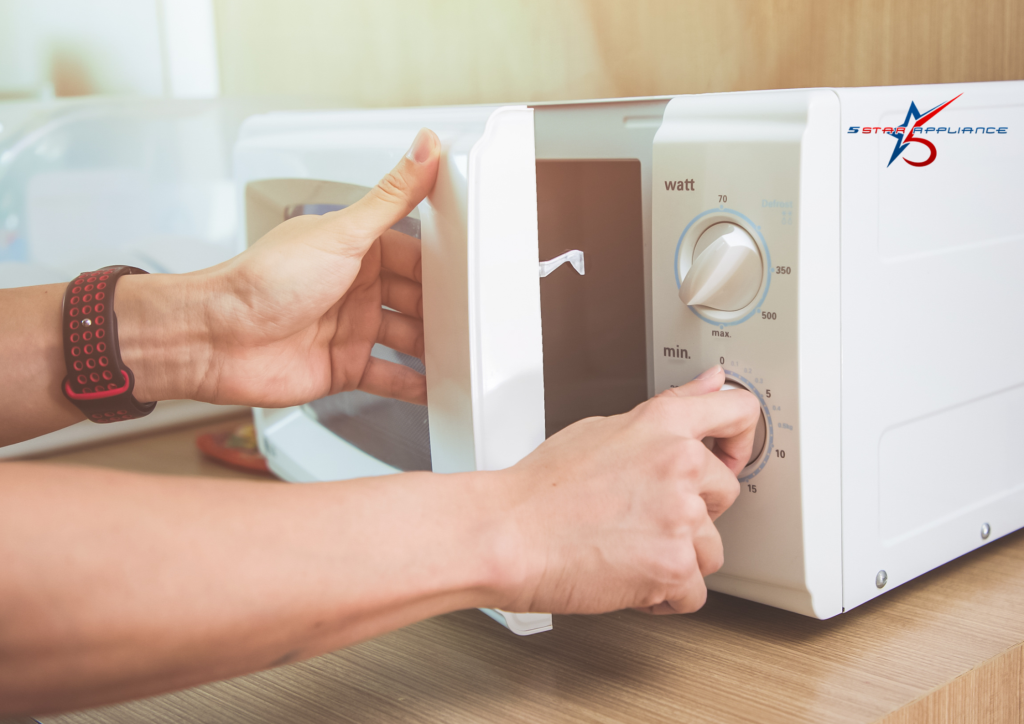
A microwave door that won’t open — or won’t stay closed — is one of those problems that brings your entire kitchen to a halt. Whether the door is jammed shut, won’t latch properly, or feels stiff and difficult to open, the good news is that most stuck microwave door problems have straightforward solutions you can tackle at home.
This guide walks you through the most common causes of a stuck microwave door and exactly what to do about each one.
Is It Safe to Force a Microwave Door Open?
No — and this is important. Never force a microwave door open or closed. The door latch system is directly connected to the microwave’s safety interlock switches. Forcing it can damage those switches, which are responsible for cutting power to the magnetron when the door is open. A damaged interlock switch can create a serious safety hazard.
Always diagnose the problem first and fix it the right way.
Common Reasons Your Microwave Door Is Stuck
1. Broken or Worn Door Latch
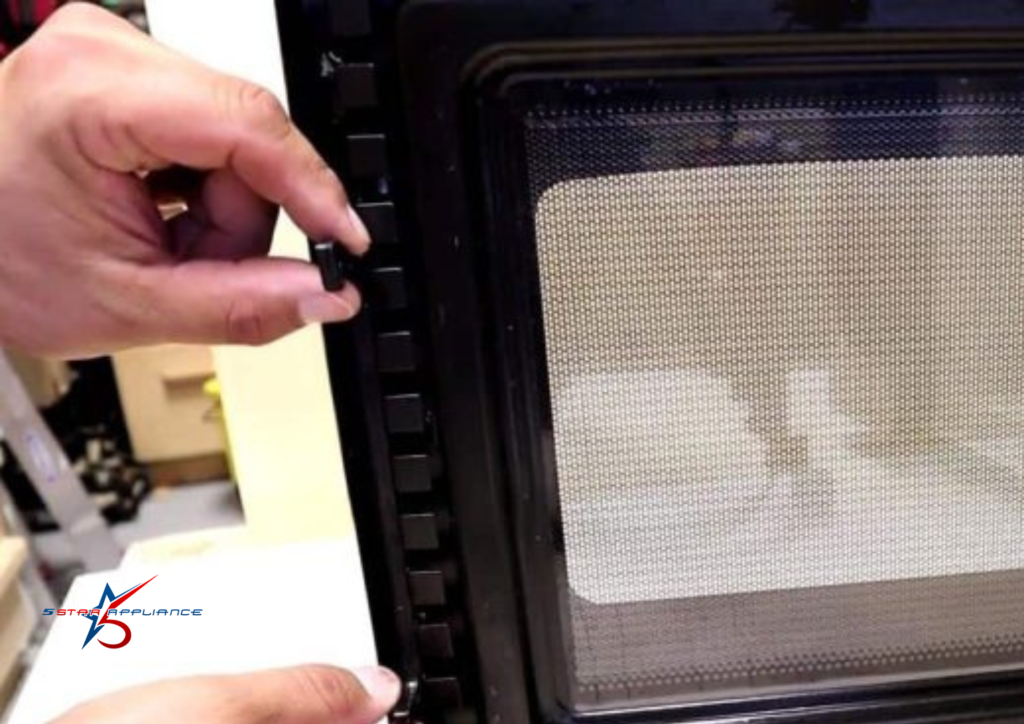
The door latch — also called a door hook — is the small plastic piece that clicks into the door catch when you close the microwave. Over time, these latches can crack, wear down, or break entirely, causing the door to stick or fail to release properly.
What to look for:
- The door feels locked even when you press the release button
- You can see a visibly cracked or broken plastic hook inside the door frame
- The button feels loose or doesn’t spring back when pressed
How to fix it: Replacing a microwave door latch is a relatively simple repair. Replacement latches are inexpensive and widely available for most microwave models. If you’re comfortable with basic appliance repairs, this is a manageable DIY fix. If not, a technician can replace it quickly and affordably.
2. Faulty Door Release Button
The door release button mechanism can wear out or become stuck over time, especially on heavily used microwaves. If the button feels stiff, doesn’t click properly, or stays depressed, this is likely your issue.
How to fix it:
- Press the button firmly several times to see if it frees up
- Clean around the button with a damp cloth to remove grease or food debris that may be causing it to stick
- If the button mechanism is broken internally, the release assembly will need to be replaced — a job best left to a professional
3. Food Debris or Grease Buildup Around the Door
Grease, food splatter, and debris can build up around the door frame and latch area over time, physically preventing the door from opening or closing smoothly.
How to fix it:
- Mix warm water with a small amount of dish soap
- Use a damp cloth or soft brush to clean thoroughly around the door edges, latch area, and door frame
- Pay special attention to the corners and the latch catch opening
- Dry completely and test the door
4. Misaligned Door
If your microwave door has been bumped, overloaded, or the hinges have worn over time, the door may sit slightly out of alignment. A misaligned door puts uneven pressure on the latch, making it difficult to open or close properly.
Signs of a misaligned door:
- The door looks uneven or crooked when closed
- You have to push or lift the door slightly to get the latch to engage
- The door doesn’t sit flush with the microwave frame
How to fix it: Hinge adjustment or replacement is the solution here. This repair involves disassembling part of the door panel and is best handled by a qualified appliance technician to avoid damaging the interlock system.
5. Damaged or Worn Door Seal
The door seal — the rubber or plastic gasket around the inside edge of the door — keeps microwave energy contained during operation. If this seal becomes warped, swollen, or damaged, it can cause the door to stick or not close properly.
What to look for:
- Visible warping, cracking, or swelling in the door gasket
- The door feels unusually tight or resistant when opening
- The microwave sparks or makes unusual noises during operation
How to fix it: A damaged door seal should be replaced promptly. This is both a performance issue and a safety concern, as a compromised seal can allow microwave energy to leak. Contact a professional technician for this repair.
6. Faulty Door Interlock Switch
Microwave ovens have two or three interlock switches that work together to ensure the microwave only operates when the door is fully closed. If one of these switches fails, it can cause the door to appear stuck or prevent the microwave from operating even when the door is closed.
Signs of a faulty interlock switch:
- The microwave won’t start even though the door appears closed
- The door seems fine mechanically but something still feels off
- You hear a click when closing the door but the microwave doesn’t respond
How to fix it: Interlock switch replacement requires accessing the internal components of the microwave and should only be performed by a certified appliance repair technician. Attempting this repair without proper training can result in electric shock, even when the microwave is unplugged, due to the high-voltage capacitor inside.
Quick Troubleshooting Checklist
Before calling a technician, run through these steps:
- Clean around the door latch and frame with warm soapy water
- Check for visible cracks or damage on the door hook or latch
- Press the release button firmly and repeatedly
- Inspect the door seal for warping or damage
- Check if the door sits evenly and flush when closed
- Unplug the microwave, wait 60 seconds, and plug it back in
If none of these steps resolve the issue, it’s time to call a professional.
When to Replace Instead of Repair
If your microwave is more than 8 to 10 years old and the repair cost exceeds half the price of a new unit, replacement may be the smarter financial decision. A technician can give you an honest assessment of whether repair or replacement makes more sense for your specific situation.
When to Call a Professional
Call an appliance repair technician if:
- The door latch or hook is visibly broken
- The door is misaligned or a hinge is damaged
- The door seal is warped or cracked
- The microwave won’t operate even with the door closed
- You suspect an interlock switch failure
Microwave repair involves high-voltage components that can be dangerous even when unplugged. Always prioritize safety over a DIY fix when internal components are involved.
Our certified appliance repair technicians can diagnose and fix your microwave door problem quickly — often in a single visit.
📞 Call us today to book a service appointment and get your kitchen back on track.
FAQs
Why won't my microwave door open?
The most common causes are a broken door latch, a stuck release button, grease or debris buildup around the door frame, or a misaligned door. Start by cleaning the latch area thoroughly and inspecting the door hook for visible damage.
Is it safe to use a microwave with a door that doesn't close properly?
No. A microwave with a damaged or improperly closing door should not be used until repaired. The door and its interlock switches are critical safety components that prevent microwave energy from leaking during operation.
Can I fix a broken microwave door latch myself?
In many cases, yes. Replacement door latches are inexpensive and available for most models. However, if the repair involves internal components like interlock switches or hinges, it’s safer to call a professional due to the high-voltage capacitor inside the unit.
How much does it cost to repair a microwave door?
Repair costs vary depending on the issue. A simple latch replacement typically costs between $50 and $150 including parts and labor. More complex repairs involving hinges or interlock switches may cost more. A technician can provide an accurate estimate after diagnosis.
Why does my microwave door feel stiff or hard to open?
Stiffness is usually caused by grease buildup around the door frame, a worn door seal, or a door that has shifted slightly out of alignment. Clean the door edges first — if the problem persists, have the hinges and seal inspected.