
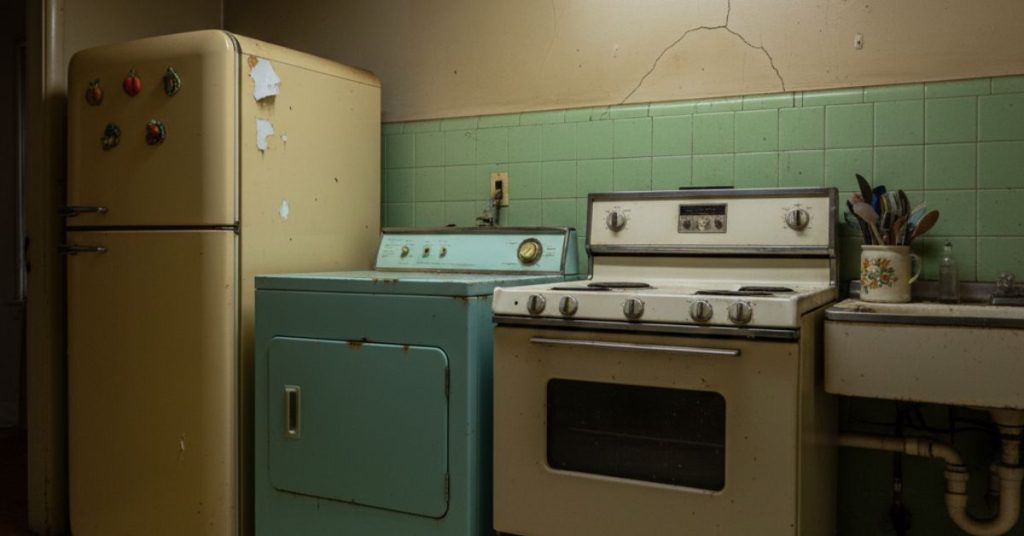
The risks of using old appliances include fire hazards, electrical malfunctions, and higher energy consumption, all of which can endanger your home and increase costs if not addressed promptly.
Key Takeaways:
- Old appliances may pose serious fire and safety risks.
- Electrical failures are more common in aging devices.
- Outdated models often consume more energy.
- Timely repair or replacement enhances safety and efficiency.
When it comes to our homes, appliances are essential for daily comfort and convenience. However, using old appliances poses hidden dangers that many homeowners overlook. From fire hazards to energy inefficiency, outdated appliances can cost more than just money—they can jeopardize your family’s safety. Below, we dive into the most critical risks of using old appliances and why timely replacement or repair is crucial.
Table of Contents
Electrical Fire Hazards From Aging Appliances
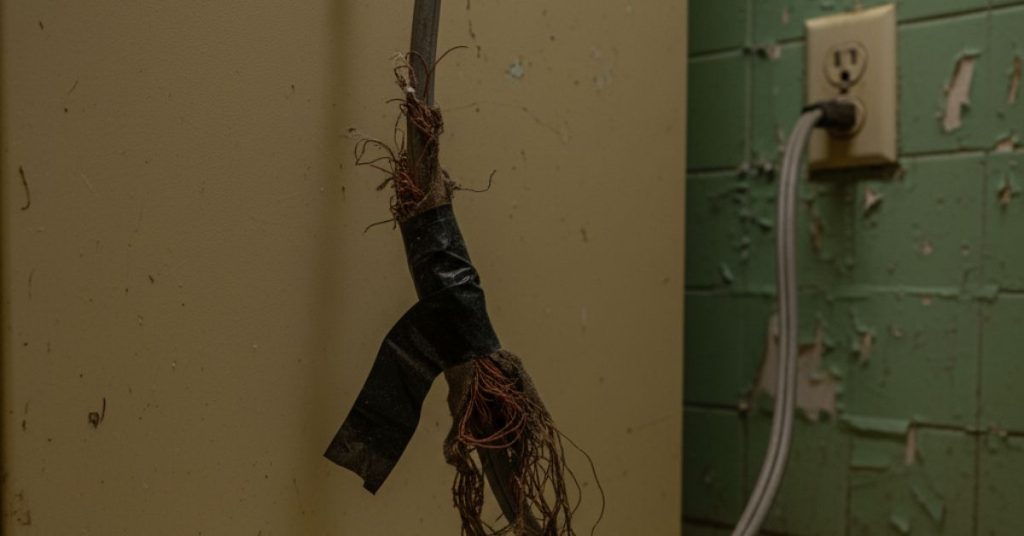
Old appliances often have worn-out wiring, frayed cords, and deteriorated insulation that can easily spark electrical fires. According to safety experts, appliances that are more than 10–15 years old pose a much higher risk of electrical short circuits. Outdated ovens, microwaves, or refrigerators may not meet current electrical safety standards, making them a danger every time they are plugged in.
Additionally, loose connections inside old appliances can overheat, leading to ignition of nearby flammable materials. Fires that start from neglected appliances often spread rapidly, leaving homeowners little time to react. Replacing old electrical components or upgrading to modern, certified models drastically reduces this life-threatening risk. For detailed safety guidelines on preventing electrical fires caused by appliances, you can refer to the U.S. Consumer Product Safety Commission’s recommendations here.
Health Risks from Outdated Refrigerators and Freezers
One of the biggest dangers of using old appliances is related to food safety. As refrigerators and freezers age, their cooling systems become less efficient, often failing to maintain the temperatures necessary to keep food safe. This creates an ideal environment for harmful bacteria such as Salmonella, Listeria, and E. coli to grow, potentially leading to serious foodborne illnesses or hospitalization.
Additionally, outdated refrigeration units can leak refrigerant gases, which not only harm the environment but may also pose health risks when inhaled over time. The Environmental Protection Agency provides detailed information on managing refrigerant emissions and their environmental impact here. Replacing old appliances with modern, energy-efficient models ensures safer food storage, better air quality, and a healthier home environment overall, especially for families with vulnerable individuals.
Energy Inefficiency and Rising Utility Bills
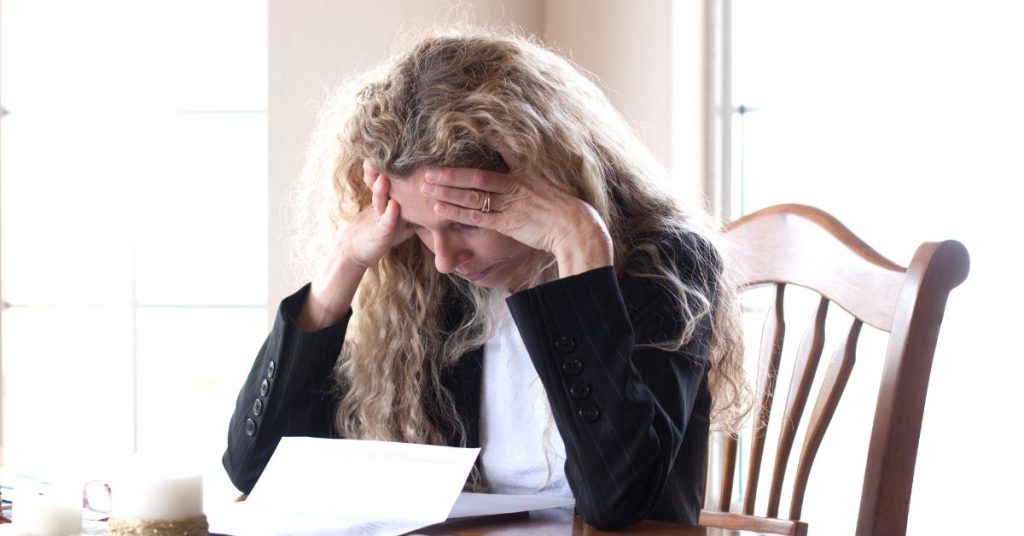
A major downside of holding on to outdated appliances is their excessive energy consumption. Technology has advanced significantly, and modern appliances are designed to be far more energy-efficient. For example:
- An old washing machine can use twice as much water as a new high-efficiency model.
- Outdated refrigerators consume up to 40% more electricity than today’s energy-efficient units.
- Old HVAC systems can add hundreds of dollars annually to utility bills.
- Outdated dishwashers may run longer cycles, using more water and power without delivering better cleaning results.
By keeping outdated appliances, homeowners are essentially paying more every month for less performance. Switching to energy-efficient models not only cuts costs but also reduces your carbon footprint.
Carbon Monoxide Poisoning from Old Gas Appliances
Gas-powered appliances such as stoves, water heaters, and furnaces are particularly dangerous when they age. Faulty burners, cracked heat exchangers, or poor ventilation can cause a buildup of carbon monoxide (CO), a colorless and odorless gas that can be fatal.
Symptoms of CO poisoning include dizziness, headaches, nausea, and in severe cases, loss of consciousness. Older gas appliances are notorious for undetected leaks that lead to dangerous CO levels. Installing carbon monoxide detectors in the home is vital, but the safest solution is replacing old gas-powered appliances before they pose a deadly risk.
Fire Hazards from Old Dryers
Clothes dryers, particularly older models, are one of the leading causes of household fires. Over time, lint can accumulate not just in the lint trap but deep inside the dryer vent and ductwork. When this lint buildup combines with worn-out or faulty heating elements, it creates a highly flammable environment that can ignite with just a small spark.
In addition, outdated dryers often lack the advanced safety features found in newer machines, such as automatic shut-off sensors that prevent overheating. While regular maintenance helps reduce risks, replacing a dryer that’s over 10 years old is often the safest choice.
Toxic Materials and Outdated Designs
Some older appliances were manufactured with hazardous materials that are no longer considered safe. For example:
- Refrigerators and air conditioners from decades ago may still use CFC refrigerants, which harm the ozone layer.
- Older microwaves might have weakened shielding, raising concerns about radiation leakage.
- Appliances built with asbestos insulation or lead-based components can expose your household to long-term health hazards.
- Outdated ovens may contain worn-out wiring or insulation that can emit toxic fumes when overheated.
Modern appliances are designed with safety regulations that eliminate these risks, making upgrades not just a luxury but a necessity for protecting your family.
Hidden Repair Costs Add Up Over Time
At first glance, repairing an old appliance may seem cheaper than buying a new one. However, hidden repair costs quickly add up. Worn parts are harder to find, labor costs can be higher, and frequent breakdowns result in recurring expenses.
For example:
- A 12-year-old refrigerator may require multiple service calls each year.
- An outdated oven may need replacement parts that are no longer readily available.
- An old dishwasher can leak, causing water damage that costs more than the appliance itself.
Investing in a new appliance is often more economical in the long run and spares you from sudden breakdowns.
Reduced Home Value and Insurance Risks
If you plan to sell your home, outdated appliances can reduce property value. Potential buyers often see old appliances as immediate replacements and added expenses, which can lower your home’s appeal and selling price. In contrast, modern, energy-efficient appliances enhance a home’s marketability, making it more attractive and helping it sell faster.
Beyond resale value, old appliances can also impact your home insurance. Some insurers may deny claims or increase premiums if they determine that an outdated appliance caused a fire or other damage. Upgrading appliances isn’t just about comfort—it’s also a smart move for financial and safety reasons.
When Should You Replace Old Appliances?
Here are some general lifespan guidelines for common appliances:
- Refrigerator: 10–15 years
- Washing Machine: 8–12 years
- Dishwasher: 7–10 years
- Dryer: 10–13 years
- Oven/Stove: 10–15 years
- Water Heater: 8–12 years
- HVAC System: 12–20 years
If your appliance is nearing or past these ranges, replacement should be strongly considered—especially if you notice strange noises, unusual odors, poor performance, or rising utility bills.
Steps to Take if You Still Use Old Appliances
If replacement isn’t immediately possible, here are steps you should take to minimize risks:
- Schedule regular appliance inspections by certified technicians.
- Clean filters, vents, and coils frequently to prevent overheating.
- Check for frayed cords and loose connections.
- Install smoke and carbon monoxide detectors in key areas of your home.
- Unplug unused appliances to reduce fire risks.
While these measures help, they are not permanent solutions. Eventually, replacement is the only way to guarantee safety and efficiency
Who to Call for Professional Appliance Services for Outdated Systems
When dealing with aging or malfunctioning appliances, it’s important to rely on certified experts who understand the risks. Whether it’s time for a replacement or your appliance just needs a tune-up, professional evaluation can make all the difference in preventing hazards.
For professional appliance services for outdated systems, including appliance maintenance, inspection, and repairs, call 5 Star Appliance Repair. Our experienced technicians can assess your appliances, recommend the safest solutions, and ensure everything is running efficiently and up to code. Don’t wait for a breakdown—get peace of mind with service you can trust.
Final Thoughts
The risks of using old appliances go far beyond inconvenience. They can impact your safety, health, finances, and even the environment. Fire hazards, carbon monoxide leaks, high energy costs, and toxic materials are just a few reasons why relying on outdated appliances is a gamble no household should take.
Upgrading to modern, energy-efficient, and safer models ensures peace of mind, protects your family, and saves money in the long term. Don’t wait until an old appliance fails catastrophically—take proactive steps to safeguard your home today with the trusted expertise of 5 Star Appliance Repair.
FAQs
How do I know if my appliance is too old and needs replacing?
Most appliances have a lifespan of 7 to 15 years, depending on the type. If yours is within or past that range and showing signs like poor performance, strange noises, or rising energy bills, it’s time to consider a replacement.
Are old appliances really a fire hazard?
Yes, aging appliances can have worn-out wiring, frayed cords, and faulty components that significantly increase the risk of electrical fires. Regular inspections or upgrades are crucial to reduce this danger.
Can old appliances cause health problems?
Absolutely—old refrigerators and gas appliances can leak refrigerants or carbon monoxide, both of which are hazardous to your health. They may also fail to keep food at safe temperatures, leading to foodborne illnesses.
Is it more cost-effective to repair or replace an old appliance?
While repairs may seem cheaper initially, frequent service calls and part replacements add up over time. In many cases, upgrading to a newer, energy-efficient model saves more money long-term.
Who should I call for professional appliance evaluation and service?
For expert help, contact 5 Star Appliance Repair. We specialize in appliance maintenance, inspection, and repairs, especially for outdated systems that pose safety or efficiency concerns.