
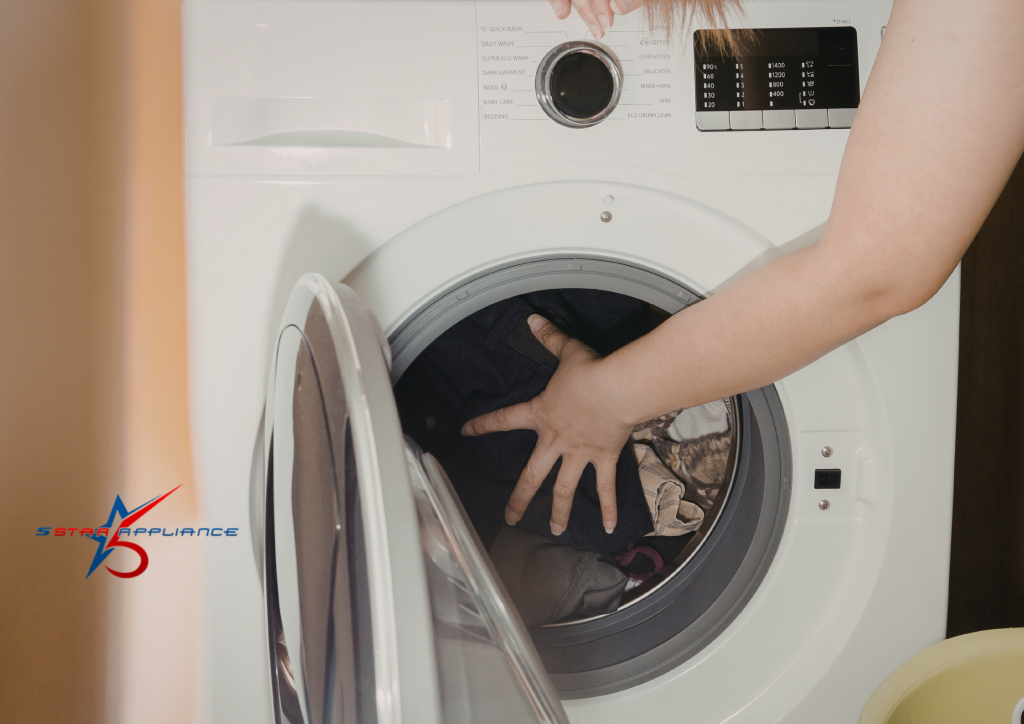
A washing machine that suddenly starts banging, grinding, or squealing is one of the most alarming sounds in any home. But before you panic about an expensive repair or replacement, know this: most loud washing machine noises have a clear cause — and many of them are surprisingly easy to fix.
This guide breaks down every type of noise your washer might be making, what it means, and exactly what to do about it.
First: Always Do This Before Investigating
Before starting to investigate what might be wrong with the washer, unplug the machine or turn off the associated circuit breaker. Also turn off both the hot and cold water supply valves for safety. Once your machine is safe to work with, use this guide to diagnose the problem.
1. Banging or Thumping — Unbalanced Load
This is the most common cause of a noisy washer and the easiest to fix.
When you wash heavy items like towels or blankets, the weight can shift to one side during the spin cycle, causing the machine to wobble and create loud banging or thumping sounds. Stop the machine and redistribute the load evenly. If necessary, remove some items and wash them in a separate load to maintain balance.
Also check that your machine is sitting level on the floor and adjust the leveling feet if needed.
DIY Fix: Redistribute the load, reduce load size, and check that all four feet are making firm contact with the floor.
2. Grinding or Rumbling — Worn Drum Bearings
Drum bearings are crucial components that allow the drum to spin smoothly. Over time, these bearings can wear out due to constant use, leading to grinding or rumbling noises during operation.
You can verify this by spinning the drum by hand when the machine is off — if it makes a loud rumbling noise, the drum bearings are the culprit.
DIY Fix: Spin the drum by hand with the machine off. If you hear rumbling, call a professional — drum bearing replacement requires significant disassembly and is not recommended as a DIY repair.
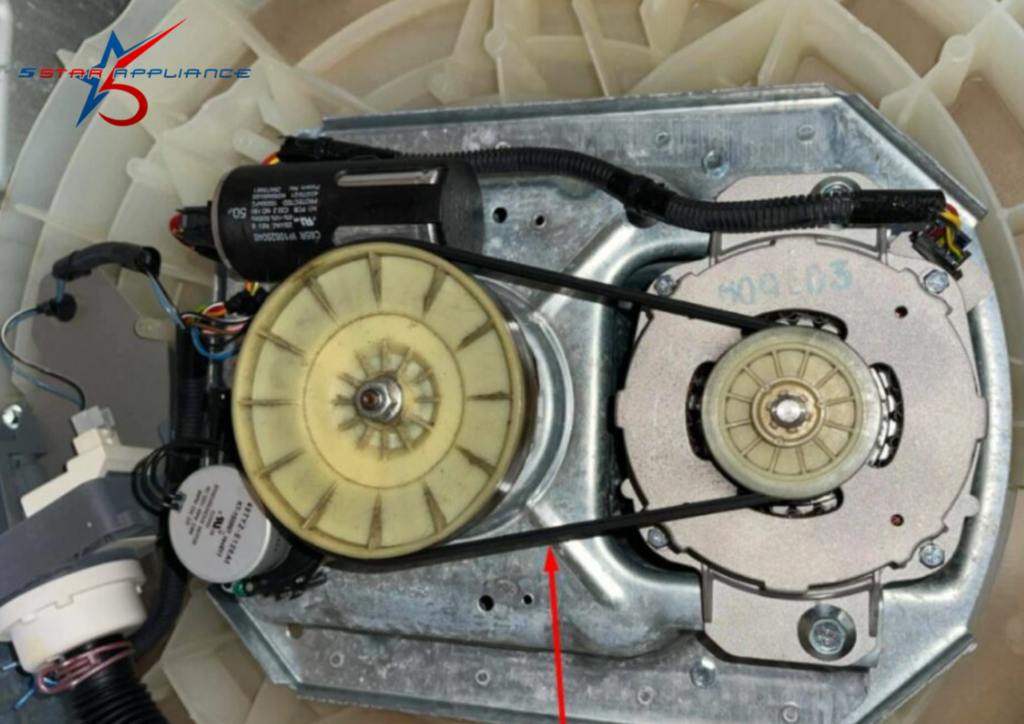
3. Squeaking or Squealing — Worn Drive Belt
The drive belt transfers power from the motor to the drum. When it becomes worn, frayed, or misaligned it produces a squeaking or squealing sound. Inspect the drive belt for any visible damage and replace it if you notice wear and tear.
DIY Fix: Visually inspect the belt for fraying or misalignment. Belts are relatively inexpensive and can be replaced by a confident DIYer or a professional technician.
4. Rattling — Foreign Objects in the Drum
Coins, buttons, or other small items can accidentally slip into the washing machine drum during laundry and rattle around during cycles. Check the drum and the filter for any foreign objects. Always check pockets before washing clothes to prevent this issue in the future.
DIY Fix: Check pockets before every load. Inspect the drum, door seal, and lint filter for trapped objects.
5. Loud Vibrating — Washer Not Level or Overloaded
Your washing machine may shake and make noise while spinning when the four legs are not all making secure contact with the ground, or when a large or uneven load is inside.
DIY Fix: Use a spirit level to check if the machine is even. Adjust the leveling feet until all four legs are firmly on the floor. Avoid overloading — mix large and small items to balance weight inside the drum.
6. Banging During Spin Cycle — Failed Suspension Rods or Shock Absorbers
Suspension rods and shock absorbers keep the drum stable during operation. When these parts wear out or break, the drum becomes unsteady and produces loud banging sounds during the spin cycle.
DIY Fix: This repair requires accessing internal components. If you’re not mechanically experienced, contact a certified appliance repair technician.
7. Humming or Vibrating When Filling — Faulty Inlet Valve
A faulty inlet valve is a common source of noise when the machine is filling with water. Over time, filter screens on the water inlet valve get dirty and blocked, and the valve itself can corrode and break. If your washer is slow to fill or makes a humming sound while filling, the inlet valve is likely the cause.
DIY Fix: The most practical solution is to replace the inlet valve completely. Check your make and model for the correct replacement part, or have a technician handle it.
When to Call a Professional
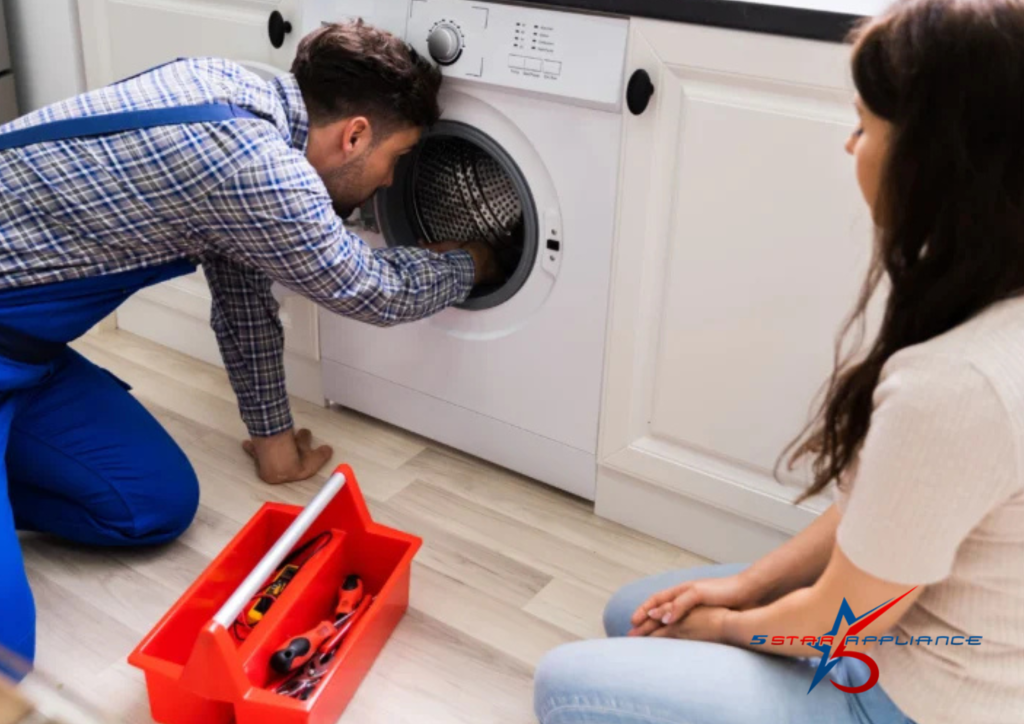
If the noise persists after checking the load balance and leveling, or if it involves grinding, banging during spin, or a burning smell, stop using the machine and call a certified appliance repair technician. Continuing to run a damaged washer can turn a minor repair into a full replacement.
Preventive Tips to Keep Your Washer Quiet
- Never overload — distribute clothes evenly and mix large and small items
- Keep the machine level on the floor at all times
- Clean the drain pump filter regularly
- Inspect belts and bearings periodically for signs of wear
- Always check pockets before loading laundry
Conclusion
A loud washing machine is your appliance telling you something is wrong. The good news is that most causes — from unbalanced loads to foreign objects — are quick fixes you can handle yourself. For deeper mechanical issues like drum bearings or suspension rods, a certified appliance repair technician can diagnose and fix the problem before it becomes a costly replacement.
Contact a certified appliance repair professional near you today.
FAQs
Why is my washing machine making a loud noise during the spin cycle?
The most common causes are an unbalanced load, worn drum bearings, or failed shock absorbers. Start by redistributing the laundry and checking if the machine is level. If the noise continues, it’s likely a mechanical issue requiring professional attention.
Is it safe to use a washing machine that's making loud noises?
For minor noises caused by an unbalanced load, yes. For grinding, banging, or metal-on-metal sounds, stop using the machine immediately — continuing to run it can cause further damage.
How much does it cost to fix a noisy washing machine?
Costs vary depending on the cause. Replacing a drive belt runs $100–$200 including labor. Drum bearing replacement is more involved and can cost $200–$500. Always get a diagnosis before committing to a repair.
Can I fix a loud washing machine myself?
Simple fixes like rebalancing the load, leveling the machine, or removing foreign objects are easy DIY tasks. Internal repairs like bearings, belts, and suspension rods are best left to a certified technician.
Why does my washer make a loud noise only during the spin cycle?
Spin cycle noise usually points to drum bearings, shock absorbers, or an unbalanced load — all of which put the most stress on the machine during high-speed spinning.