
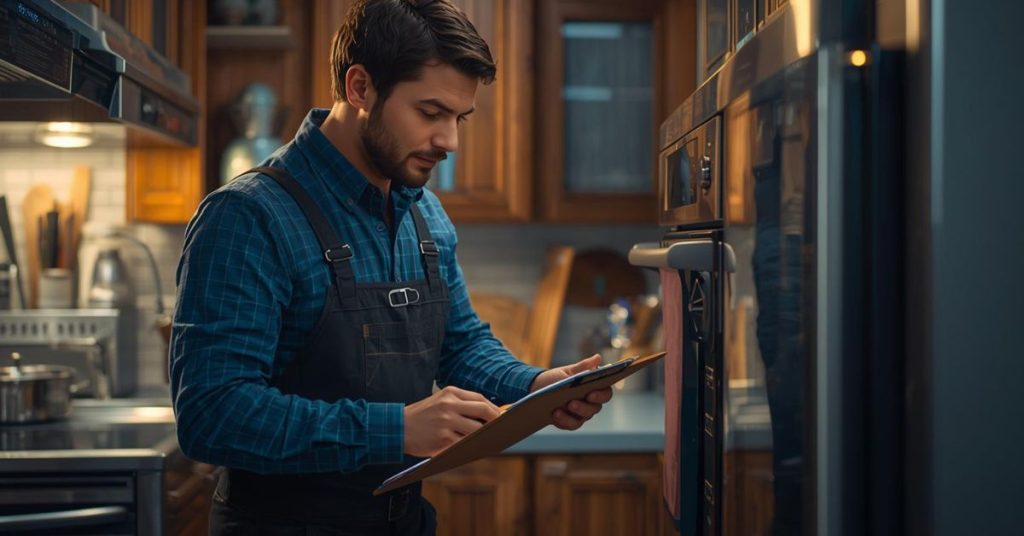
Winter appliance safety checks in January ensure all household appliances function efficiently, prevent costly breakdowns, reduce energy waste, and protect your home from winter-related hazards.
Key Takeaways:
- Inspect refrigerators, freezers, and heating-adjacent appliances.
- Check electrical connections and vents for safety.
- Prevent leaks, frost buildup, and fire risks.
- Schedule professional inspections for optimal reliability.
January places unique demands on every household appliance. Cold temperatures, increased indoor activity, and higher energy usage create conditions where overlooked issues quickly turn into costly failures. We approach winter home care with precision, focusing on prevention, safety, and performance. Strategic inspections performed at the start of the year protect both property and people while ensuring appliances operate at peak efficiency throughout the coldest months.
This guide delivers a comprehensive, room-by-room approach designed to address the most critical winter risks without unnecessary distractions. Every recommendation is practical, actionable, and aligned with real-world household conditions experienced in January.
Table of Contents
Understanding Seasonal Appliance Stress
Winter introduces environmental stressors that affect internal components, electrical connections, and ventilation systems. Condensation, dry air, temperature fluctuations, and prolonged usage accelerate wear across multiple appliances. By addressing these factors early, we prevent chain reactions that compromise safety and performance.
Conducting appliance safety checks winter January allows us to identify insulation breakdowns, airflow restrictions, and electrical strain before they escalate into failures. This proactive mindset forms the foundation of a resilient winter home.
For tips on maximizing appliance efficiency and reducing energy waste during the cold months, homeowners can also refer to the U.S. Department of Energy’s Fall & Winter Energy‑Saving Tips.
Kitchen Appliance Safety: Precision Where It Matters Most
Refrigerator Problems
Cold outdoor temperatures often trick homeowners into overlooking refrigerator performance; however, January is a critical month for maintaining consistent internal temperatures, making timely refrigerator repair essential. We verify door seals for cracks, ensure condenser coils remain dust-free, and confirm thermostats are calibrated correctly as part of comprehensive refrigerator repair. Uneven cooling increases energy consumption and places unnecessary stress on compressors.
We also inspect drainage lines for ice buildup, a common winter issue that leads to water pooling and interior damage. These steps preserve food safety and extend appliance lifespan.
For more detailed guidance on keeping your fridge efficient in cold months, see How Cold Weather Impacts Refrigerator Efficiency in Winter.

Stoves, Ranges, and Ovens
Cooking frequency rises during winter, making heat-generating appliances more vulnerable to malfunction. We examine burners for even flame distribution, test ignition systems, and inspect gas lines for micro-leaks. Electric ranges require particular attention to wiring insulation, which can become brittle in cold conditions.
This integrated evaluation aligns with comprehensive oven repair to stove services, ensuring the entire kitchen ecosystem functions safely under increased demand.
Dishwashers
Winter hard water conditions increase mineral buildup, which is why our dishwasher services check spray arms, filters, and heating elements to maintain proper sanitation temperatures. Proper drainage inspection through our dishwasher services prevents freezing-related blockages that can cause internal flooding.
Laundry Room Winter Readiness
Washing Machines
Cold water intake lines are vulnerable to freezing and cracking, making proactive washing machine repair important during winter. We assess hose integrity, valve responsiveness, and internal drum balance as part of washing machine repair. January inspections prevent sudden leaks that often occur during high-load winter laundry cycles through timely washing machine repair.
Dryers
Dryer safety becomes paramount during winter due to lint accumulation and restricted airflow. We clean vents, inspect thermal fuses, and confirm external exhaust flaps open freely. These measures significantly reduce fire risks while improving drying efficiency.
Heating-Adjacent Appliance Considerations
Appliances located near heating systems often experience thermal stress from fluctuating temperatures. Dehumidifiers, air purifiers, and humidifiers require careful calibration in January to maintain balanced indoor air conditions. We inspect electrical connections and sensor accuracy to prevent overheating or moisture imbalance.
This holistic evaluation supports professional appliance maintenance, ensuring all interconnected systems operate harmoniously throughout winter.
Electrical Load and Safety Verification
January energy consumption peaks due to heating appliances, lighting, and extended indoor activity. We assess outlet stability, power cords, and circuit load distribution for all major appliances. Loose connections and overloaded circuits are common winter hazards that demand immediate attention.
Surge protection devices are tested to safeguard sensitive electronics against winter storm-related power fluctuations. For official home safety tips related to winter power outages, carbon monoxide risks, and appliance use, refer to the Consumer Product Safety Commission’s winter safety guidance.
Ventilation and Exhaust Integrity
Proper airflow is essential for appliances that generate heat or moisture. We inspect exhaust ducts for blockages caused by ice, debris, or pest intrusion. Kitchen hoods, dryer vents, and bathroom exhaust fans must operate efficiently to prevent condensation buildup and indoor air quality issues.
Effective ventilation supports safe operation and reduces structural moisture damage during prolonged winter closures.
Water-Based Appliance Protection
Appliances relying on water supply face heightened risks in January. We evaluate ice makers, water dispensers, and under-sink connections for insulation adequacy. Even minor freezing can cause internal cracks that remain hidden until significant damage occurs.
Preventive inspections safeguard against unexpected leaks and align with long-term strategies to reduce appliance repair costs January without sacrificing performance.
Strategic Scheduling for Winter Efficiency
January inspections set the tone for appliance reliability throughout the year. By prioritizing safety checks early, we eliminate emergency scenarios that disrupt routines and inflate repair expenses. This structured approach ensures uninterrupted functionality during the most demanding season.
Conducting appliance safety checks in winter January also improves energy efficiency, stabilizes utility costs, and enhances overall household comfort.
Why Comprehensive Winter Checks Matter
Winter failures rarely occur in isolation. A neglected seal, blocked vent, or weakened electrical connection often triggers cascading issues across multiple appliances. We address these vulnerabilities systematically, preserving operational balance and preventing downtime.
Our methodology integrates diagnostics, safety verification, and performance optimization across all major household systems, including essential Kitchen appliance services that sustain daily living during colder months.
Long-Term Benefits Beyond January
While January serves as the focal point, the benefits extend well beyond winter. Appliances maintained under winter stress conditions demonstrate improved durability throughout spring and summer. Reduced wear, stabilized performance, and enhanced safety create measurable value over time.
Homes that adopt this preventive model experience fewer disruptions, improved energy efficiency, and consistent appliance reliability year-round.
A Smarter Way to Protect Your Home
Winter appliance care is not about reactive fixes. It is about precision, foresight, and disciplined execution. January offers the ideal opportunity to reinforce appliance safety, optimize performance, and protect household investments with confidence. By addressing seasonal stressors comprehensively, we establish a foundation for uninterrupted comfort, safety, and efficiency regardless of external conditions.
Conclusion
January is the perfect time to safeguard your home and prevent costly appliance failures. For homeowners in Los Angeles, 5 Star Appliance Repair provides expert winter appliance inspections, combining safety verification, precision diagnostics, and performance optimization.
Don’t wait for an emergency—call us today to ensure your appliances are winter-ready and operating at peak efficiency. Our team delivers fast, reliable appliance service that protects your home, saves energy, and gives you peace of mind all season long.
FAQs
How often should I inspect my appliances in winter?
Conduct a full safety check in January, then monitor critical appliances monthly for unusual noises, leaks, or inefficiencies.
Which appliances are most at risk during cold months?
Refrigerators, freezers, dryers, washing machines, and heating-adjacent appliances like humidifiers are most vulnerable to cold, moisture, and heavy usage.
Can preventive maintenance really save money?
Yes. Early inspections reduce emergency repairs, prevent energy waste, and extend appliance lifespan, saving homeowners significant costs over time.
Are professional inspections necessary, or can I do it myself?
While some basic checks are DIY-friendly, professional inspections ensure safety, accuracy, and long-term reliability, especially for gas or electrical appliances.
What signs indicate an appliance may fail during winter?
Common warning signs include uneven cooling, strange noises, leaks, burning smells, or appliances taking longer than usual to operate. Early detection prevents costly breakdowns.