
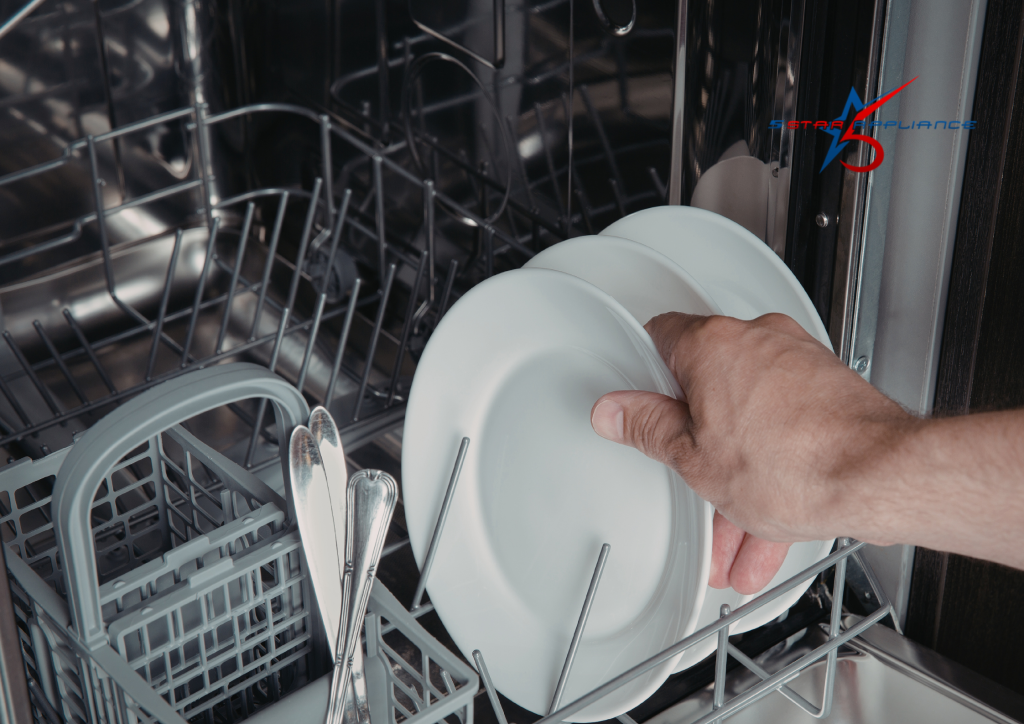
There’s nothing more frustrating than unloading your dishwasher only to find food still stuck to your plates. If your dishwasher isn’t cleaning dishes properly, you’re not alone — it’s one of the most common appliance complaints homeowners face. The good news is that most causes are easy to diagnose and fix.
In this guide, we’ll walk you through the most likely reasons your dishwasher is underperforming and what you can do about it today.
1. Clogged or Dirty Filter
The freezer door is not sealing properly. When warm, humid air from your kitchen sneaks into the freezer through a damaged or worn door gasket, it immediately freezes on contact with the cold surfaces inside. The more air that gets in, the faster ice accumulates. This is the single most common cause of excessive freezer ice buildup.
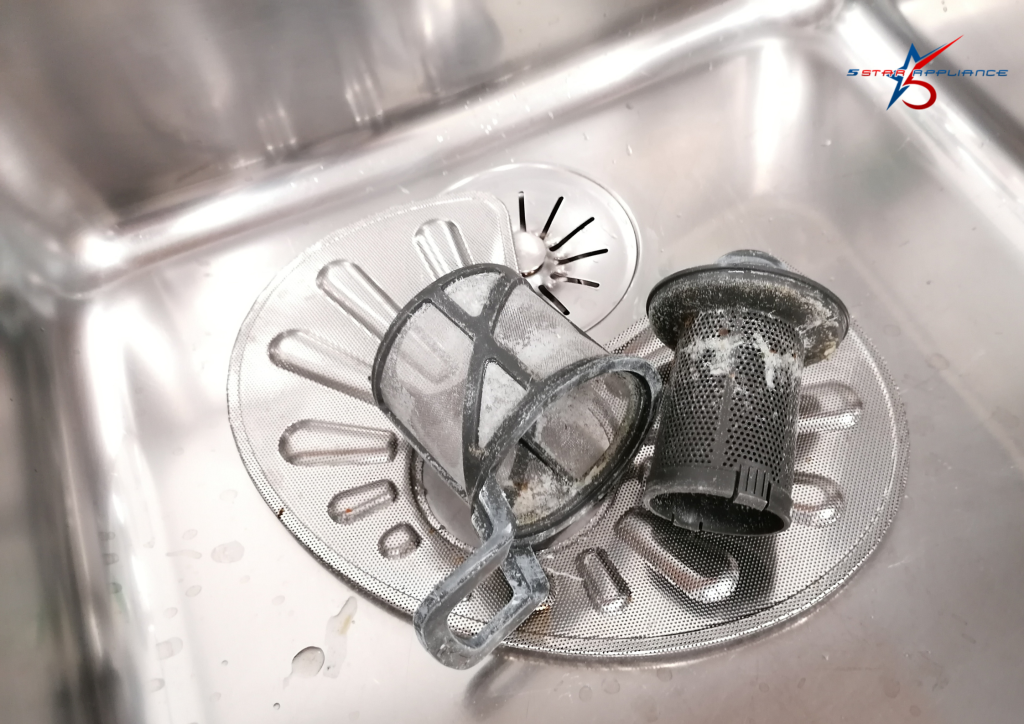
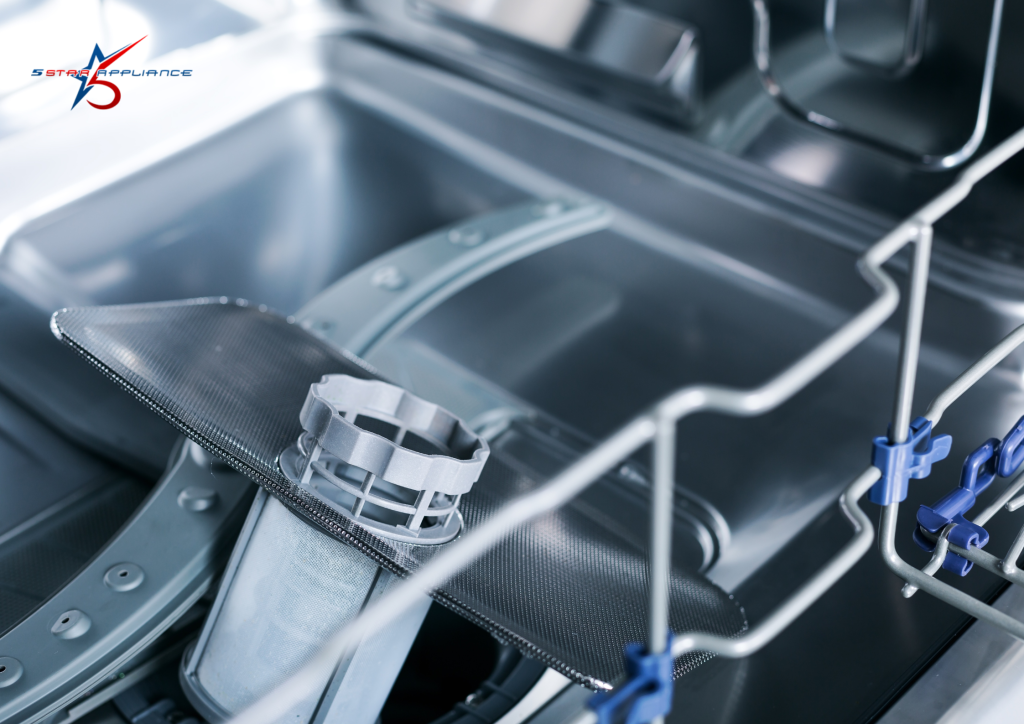
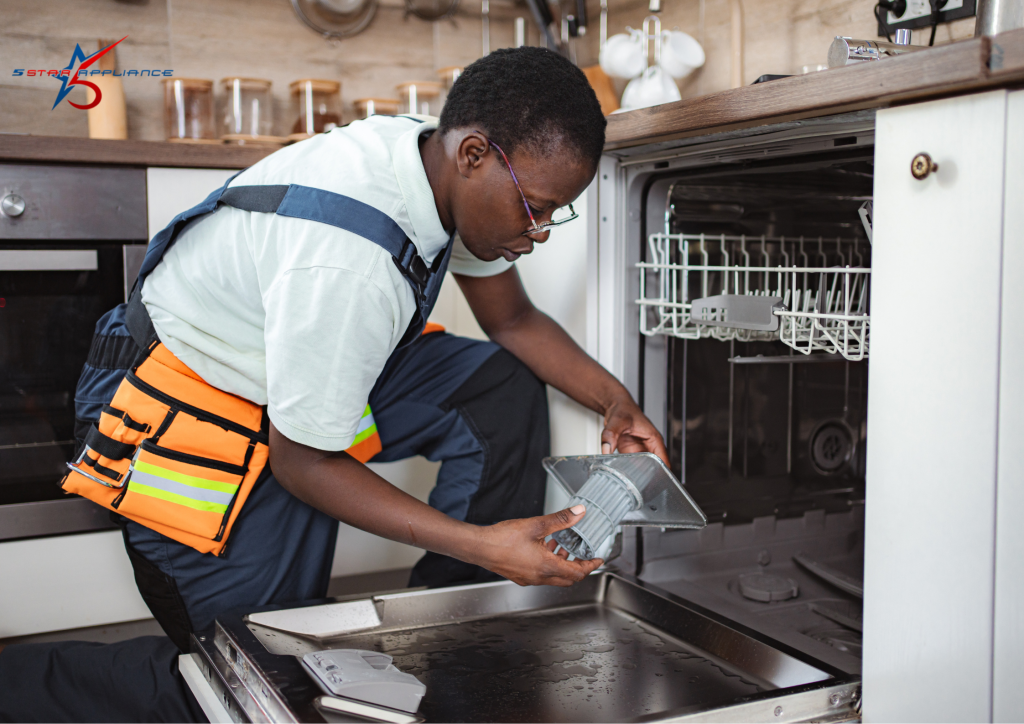
This is the number one culprit. Most modern dishwashers have a filter at the bottom of the tub that traps food particles. When it gets clogged, water can’t circulate properly — and your dishes pay the price.
How to fix it:
- Remove the bottom rack and locate the filter (usually a cylindrical piece that twists out)
- Rinse it under warm water and scrub gently with a soft brush
- Reinstall and run a test cycle
Tip: Clean your dishwasher filter at least once a month for best results.
2. Blocked or Worn Spray Arms
Your dishwasher’s spray arms rotate and shoot water at your dishes. If the small holes along the arms are clogged with mineral deposits or debris, water pressure drops and cleaning suffers.
How to fix it:
- Remove the spray arms (they usually unscrew or unclip easily)
- Use a toothpick or thin wire to clear each hole
- Soak in warm vinegar water for 15–20 minutes to break down buildup
- Reattach and run a cycle
3. Incorrect Loading
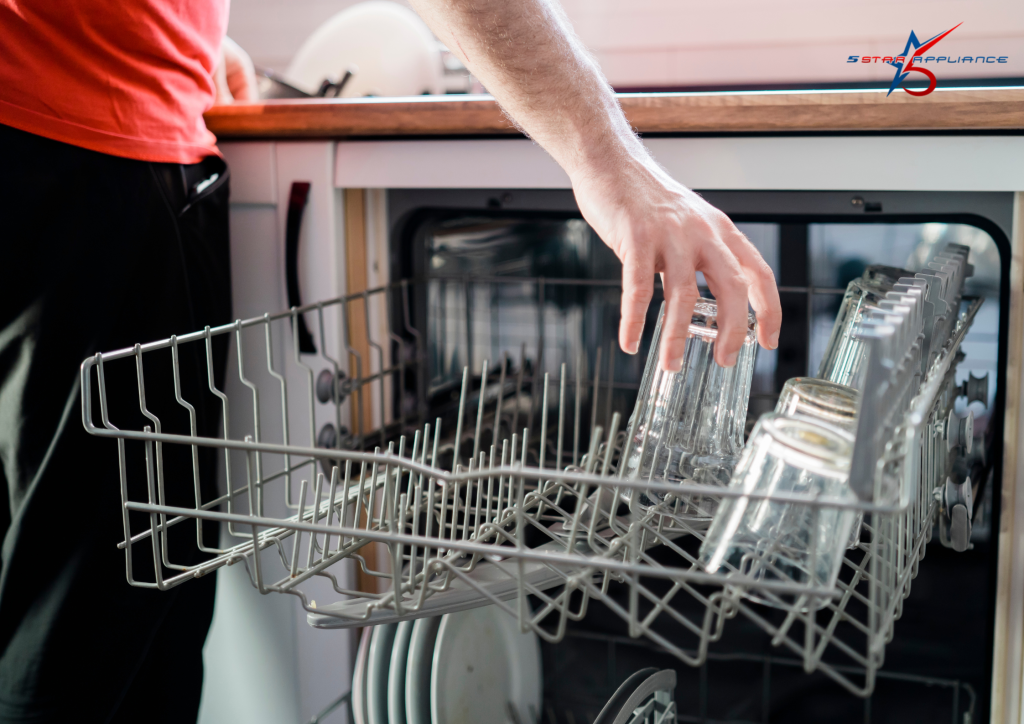
Even a perfectly functioning dishwasher can’t clean dishes that are loaded incorrectly. Overcrowding, nesting, or blocking the spray arms are all common mistakes.
Best loading practices:
- Face dishes inward and downward toward the spray arms
- Never nest bowls or spoons together
- Keep tall items on the sides so they don’t block the center spray arm
- Place cups and glasses at an angle so water drains off
4. Low Water Temperature
Dishwashers need hot water — ideally between 120°F and 150°F — to dissolve detergent and cut through grease. If your water heater is set too low, your dishwasher simply won’t clean effectively.
How to fix it:
- Check your water heater thermostat and set it to at least 120°F
- Run the hot water at your kitchen sink before starting the dishwasher to ensure hot water enters the machine from the first minute of the cycle
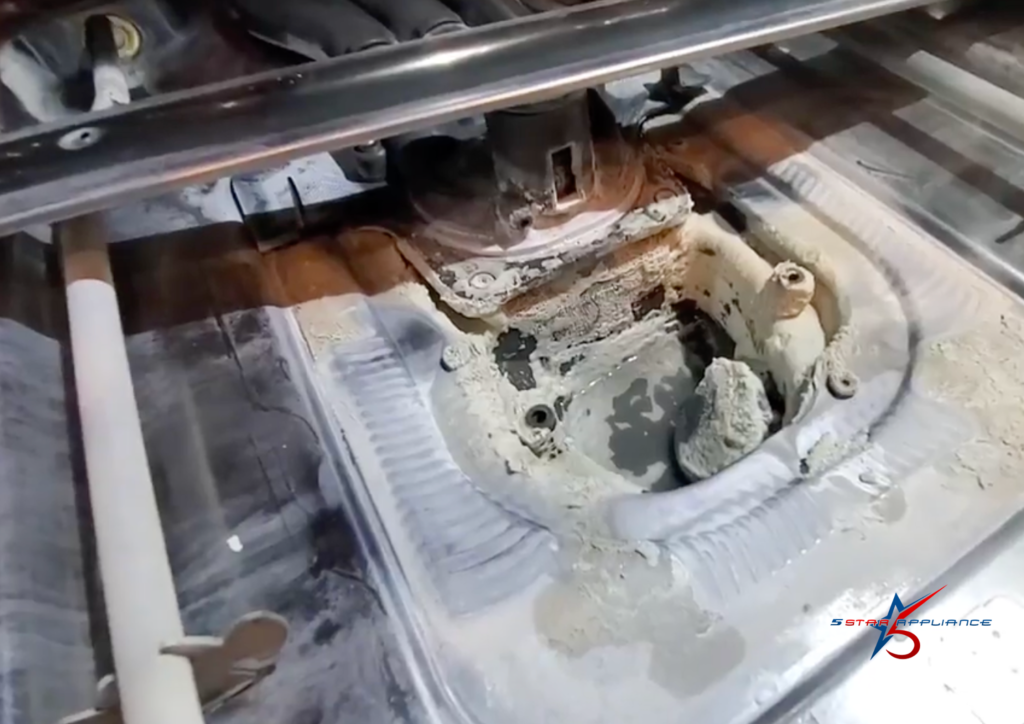
6. Hard Water and Mineral Buildup
If you live in an area with hard water, mineral deposits can build up inside your dishwasher over time, coating the interior, spray arms, and heating element. This reduces cleaning performance and leaves white spots or film on your dishes.
How to fix it:
- Run an empty cycle with a cup of white vinegar on the top rack
- Use a commercial dishwasher cleaner monthly
- Consider adding a rinse aid to every cycle — it prevents spotting and improves drying
- A whole-home water softener is a long-term solution for severe hard water issues
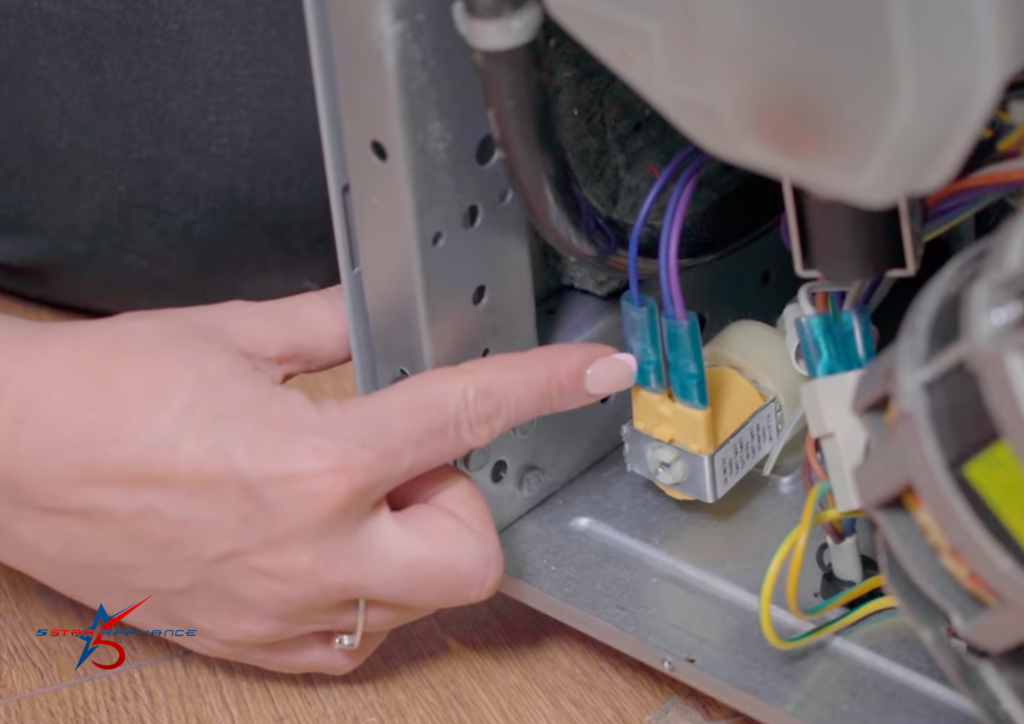
7. Faulty Water Inlet Valve
The water inlet valve controls how much water enters your dishwasher. If it’s partially blocked or failing, your dishwasher may not fill with enough water to clean properly.
Signs of a faulty inlet valve:
- Dishwasher seems to have less water than usual
- Dishes in certain areas of the machine are consistently dirtier
- You hear unusual sounds during the fill cycle
This is a repair best handled by a professional appliance technician, as it involves the water supply line and internal components.
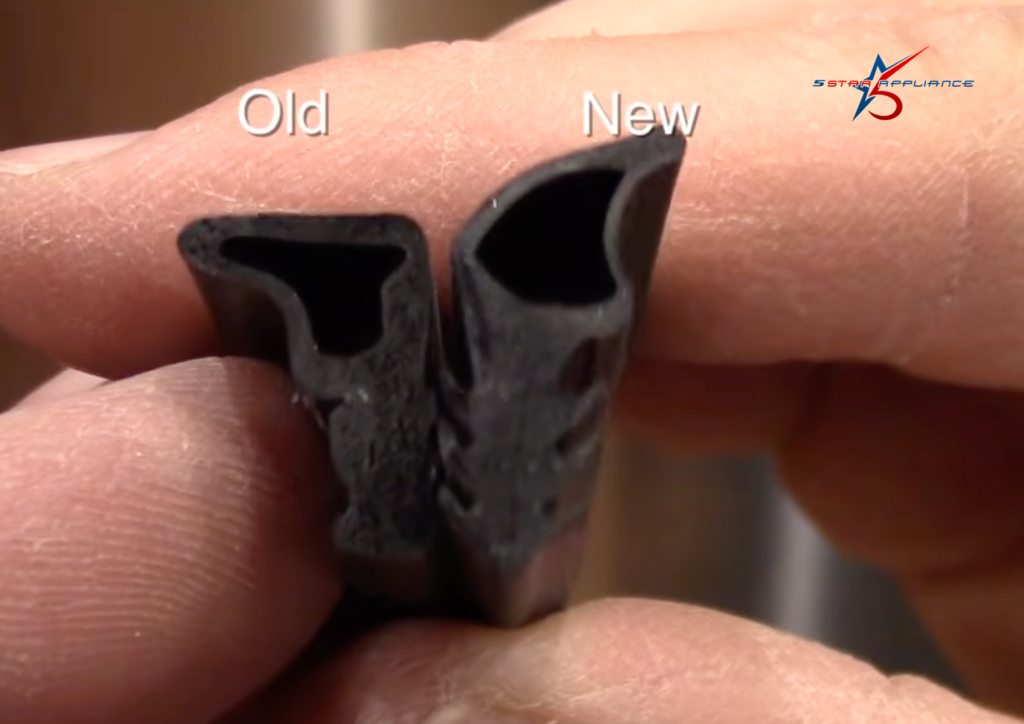
8. Worn Door Gasket or Poor Seal
If your dishwasher door doesn’t seal tightly, steam and water can escape during the cycle — reducing internal pressure and cleaning power.
What to look for:
- Visible cracks or tears in the rubber door gasket
- Water pooling on the floor around the dishwasher during a cycle
- A door that doesn’t feel snug when closed
Replacing a door gasket is a relatively affordable repair and can make a significant difference in performance.
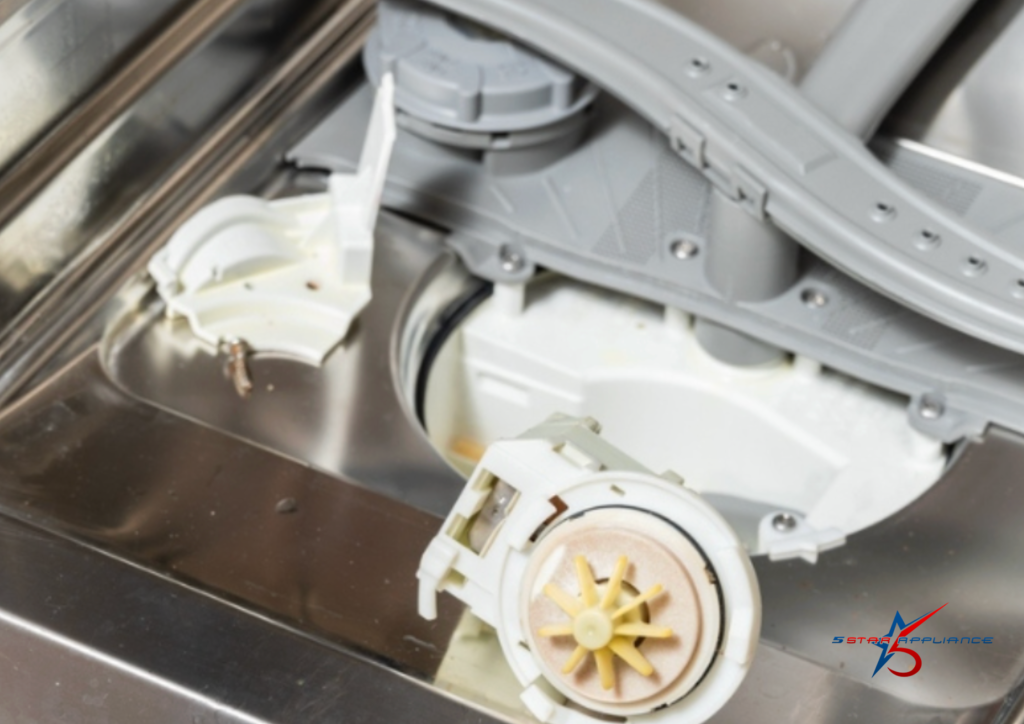
9. Aging or Failing Wash Pump
The wash pump is the heart of your dishwasher — it forces water through the spray arms at high pressure. A pump that’s wearing out will produce noticeably weaker water pressure and inconsistent cleaning results.
Signs your pump may be failing:
- Dishes are clean on one side but dirty on the other
- You notice a humming or grinding noise during the wash cycle
- Performance has gradually declined over several months
A wash pump replacement is a job for a qualified appliance repair technician.
When to Call a Professional
If you’ve worked through the steps above and your dishwasher still isn’t cleaning properly, it’s time to call in an expert. Issues like a faulty inlet valve, failing wash pump, or a malfunctioning control board require professional diagnosis and repair.
Attempting complex repairs without the right tools or experience can lead to bigger problems — and a bigger bill down the road.
Our certified appliance repair technicians can diagnose and fix your dishwasher quickly, often in a single visit.
📞 Call us today to schedule a service appointment — and get your dishwasher working like new again.
FAQs
Why are my dishes still dirty after a full dishwasher cycle?
The most common causes are a clogged filter, blocked spray arms, incorrect loading, low water temperature, or poor quality detergent. Start by cleaning the filter and spray arms and checking your water heater temperature.
How often should I clean my dishwasher filter?
Ideally once a month, or more frequently if you run your dishwasher daily or wash heavily soiled dishes regularly.
Why do my dishes have a white film after washing?
A white film is usually caused by hard water mineral deposits. Try using a rinse aid, running a vinegar cleaning cycle, or switching to a detergent designed for hard water.
Can overloading my dishwasher cause poor cleaning?
Absolutely. Overcrowding prevents water and detergent from reaching all surfaces. Load dishes with space between them and always face them toward the spray arms.
Is it worth repairing a dishwasher that doesn't clean well?
In most cases, yes — especially if the appliance is less than 10 years old. A professional diagnosis can identify whether a simple fix or part replacement will restore full performance, which is almost always more cost-effective than buying a new unit.